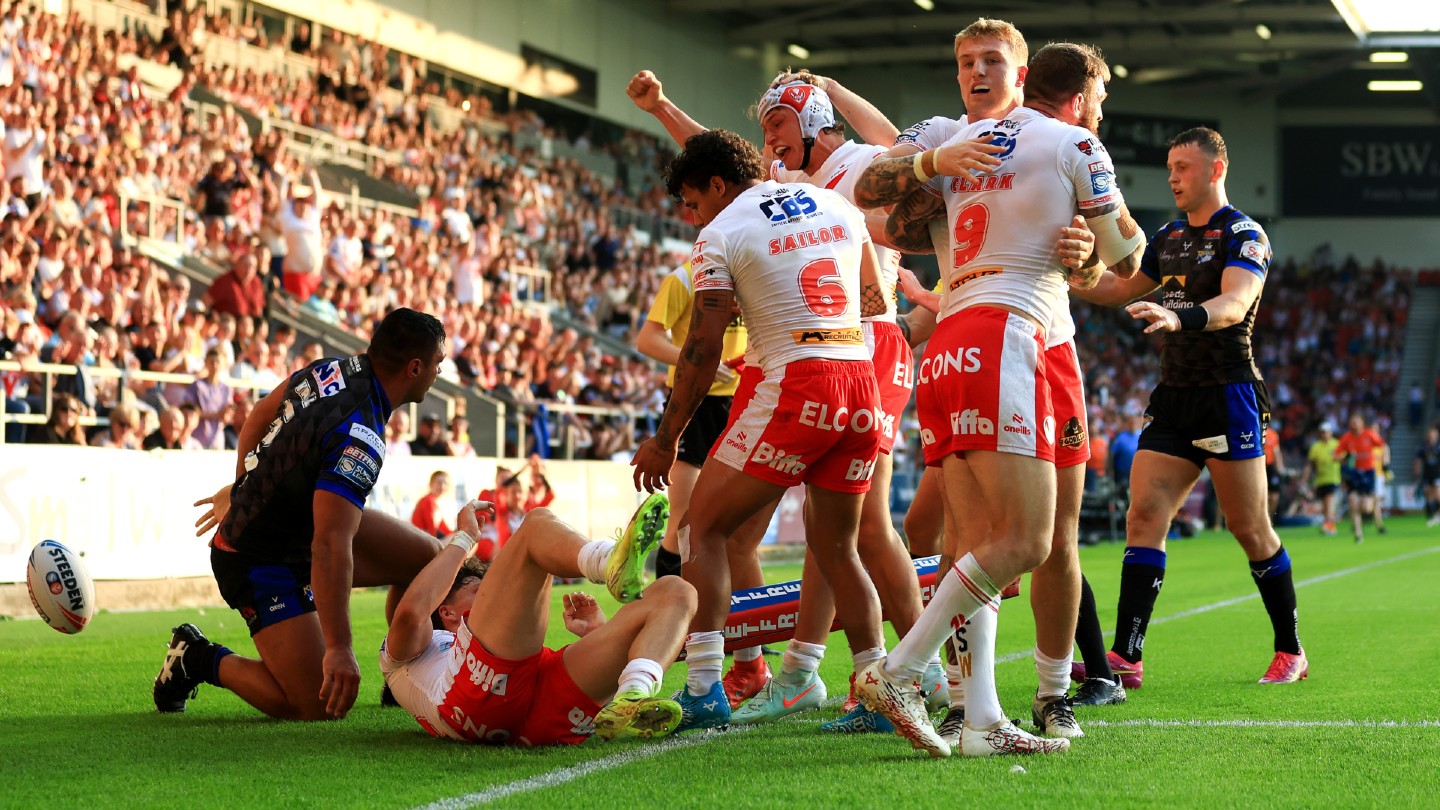
The Super League — the top tier of men’s rugby league in England — is preparing for a bold new era.
In a unanimous vote, all 12 current Super League clubs have approved an expansion plan that will see the league grow to 14 teams from the 2026 season onwards. This decision is more than just structural — it signals a renewed ambition to deepen the league’s footprint, grow commercially, and diversify its geography.
But unlike previous promotions based solely on on-field performance, this next wave of entries will be governed by a hybrid selection process — one that blends objective performance metrics with strategic evaluation.
IMG’s Club Grading System at the Core
Central to this expansion is the club grading system introduced in 2024 by Super League’s commercial partner, IMG. The model, designed to modernize how English rugby league evaluates its clubs, uses a variety of metrics: financial sustainability, governance, fan engagement, facilities, and historic performance.
Under the current model, the 12 highest-graded teams from both the Super League and the Championship make up the top flight each season.
From 2026, that number will increase to 14 — with the top 12 graded clubs joined by the next two highest-ranked sides from the second tier, subject to approval.
But this isn’t a simple top-down calculation. A newly formed independent panel, chaired by Rugby Football League board member Jonathan Caine, will also weigh in on final selections. The panel sits at the intersection of rugby league’s broader strategic review — making this expansion both a symbolic and operational pivot point for the sport.
Toulouse, London, and the Commercial Geography of Growth
Early indicators suggest Toulouse Olympique and London Broncos are front-runners to claim the two new places.
For Toulouse, the move would consolidate Super League’s long-term interest in France — where Catalans Dragonsalready serve as a flagship presence. With the league planning a marquee fixture in Paris in 2026 (Wigan Warriors vs Catalans Dragons) to mark its 30th anniversary, Toulouse’s inclusion would help strengthen rugby league’s cross-border credentials.
For London Broncos, the case hinges on geography. As the only club representing the capital — and indeed all of South East England — in either of the top two tiers, the Broncos offer valuable access to a commercially important region that has historically underindexed in rugby league representation. Despite a chequered Super League history and multiple immediate relegations, their potential catchment and media market are hard to ignore.
Also in the mix are York Knights and Bradford Bulls, both of whom boast strong grading scores. Their inclusion would come down to whether the panel believes their infrastructural and strategic profiles match the league’s long-term vision.
A Shift from Legacy to Legacy-Building
This will be the first time since 2014 that Super League features 14 teams — a configuration that last existed under a licensing model before promotion and relegation were reintroduced. The re-expansion in 2026 is not just a revival of scale but a signal of modernized priorities: quality over quantity, strategic markets over legacy loyalties, and sustainable growth over short-term wins.
IMG’s involvement ensures this isn’t just a competitive decision — it’s a commercial one. Club selection is now intrinsically linked to audience potential, marketability, and long-term strategic fit.
As rugby league navigates an era of reinvention, 2026 could well be remembered as the year the Super League reimagined its future — not through nostalgia, but through frameworks that reward readiness.
Partner With Us
Want to feature your brand, business, or service on 365247 — Whether you’re looking to sponsor, collaborate, or build presence within our ecosystem, we’d love to explore it with you.
Submit Your Interest Here
IMAGE: Getty Images