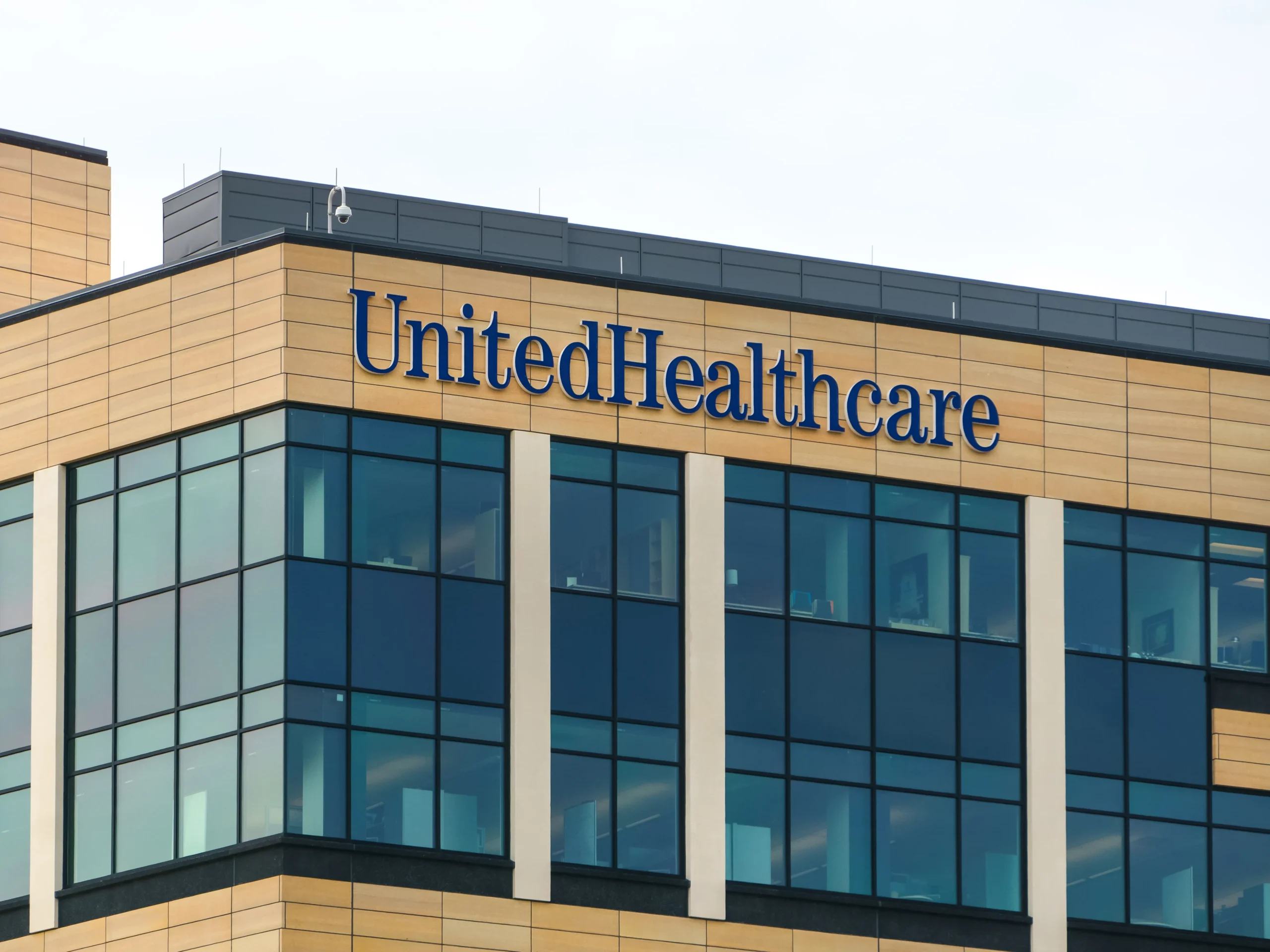
UnitedHealth Group — the largest U.S. health insurer and a key player across healthcare delivery, pharmacy services, and Medicare Advantage — is navigating a turbulent stretch marked by falling earnings, regulatory scrutiny, and internal restructuring.
The Minnesota-based conglomerate reported a notable 19% decline in quarterly net income, down to $3.4 billion in Q2 2025, with earnings per share of $3.74 missing analyst projections. This performance underscored deeper issues stemming from underestimating rising patient care costs and intensified federal investigations.
Yet, the company’s leadership appears committed to a long-term recovery roadmap. With a fresh earnings forecast for 2025 projecting revenues between $445.5 billion and $448 billion, UnitedHealth signaled its intent to stabilize by next year — and return to earnings growth by 2026.
Leadership Shift Signals Strategic Pause
These results are the first under newly reinstated CEO Stephen Hemsley, who returned to the helm in May following the abrupt departure of Andrew Witty. Witty’s exit coincided with the withdrawal of full-year guidance and a dramatic plunge in UnitedHealth’s share price — now down 48% year-to-date.
Hemsley wasted no time in recalibrating strategic priorities. Most notably, the company has suspended all M&A activity, a dramatic move for a healthcare giant long known for acquiring and integrating services across the care continuum.
“We stopped that entire activity,” Hemsley told analysts, emphasizing a renewed focus on operational performance across UnitedHealth’s existing divisions. “Portfolio assessment will come later.”
Legal Overhang and Medicare Scrutiny
A significant source of current volatility stems from ongoing U.S. Department of Justice investigations. The company disclosed that $1.6 billion in potential legal settlements may weigh on upcoming results, primarily tied to a federal probe into billing practices within UnitedHealth’s Medicare Advantage business.
Notably, the DOJ’s examination has now expanded into a criminal investigation, elevating both the reputational and financial risks.
Market analysts believe that while eventual settlement is likely, a near-term resolution is improbable. “These things move slowly,” noted Jeff Jonas of Gabelli Funds. “Even a resolution sometime next year might be considered fast.”
Buybacks Over Acquisitions?
Facing growing antitrust pressure and limited regulatory patience for expansion, UnitedHealth is expected to pivot toward internal efficiencies and share repurchases to support earnings per share targets.
“Without room for more acquisitions, they’ll likely lean on buybacks,” said Jonas.
This signals a strategic evolution for UnitedHealth: from aggressive consolidator to internally-focused operator — with legal caution, tighter regulatory oversight, and cost discipline shaping its next chapter.
Looking Ahead: Consolidation or Course Correction?
UnitedHealth’s recent stumble reflects broader challenges in the healthcare sector, where cost inflation, regulatory oversight, and political pressure on Medicare Advantage programs are mounting. Yet, the group’s scale — as the largest employer of physicians in the U.S. — gives it structural advantages few rivals possess.
How it navigates the next 18 months could redefine not only its market position, but how vertically integrated healthcare conglomerates operate in a post-pandemic, cost-conscious landscape.
Partner With Us
Want to feature your brand, business, or service on 365247 — Whether you’re looking to sponsor, collaborate, or build presence within our ecosystem, we’d love to explore it with you.
Submit Your Interest Here