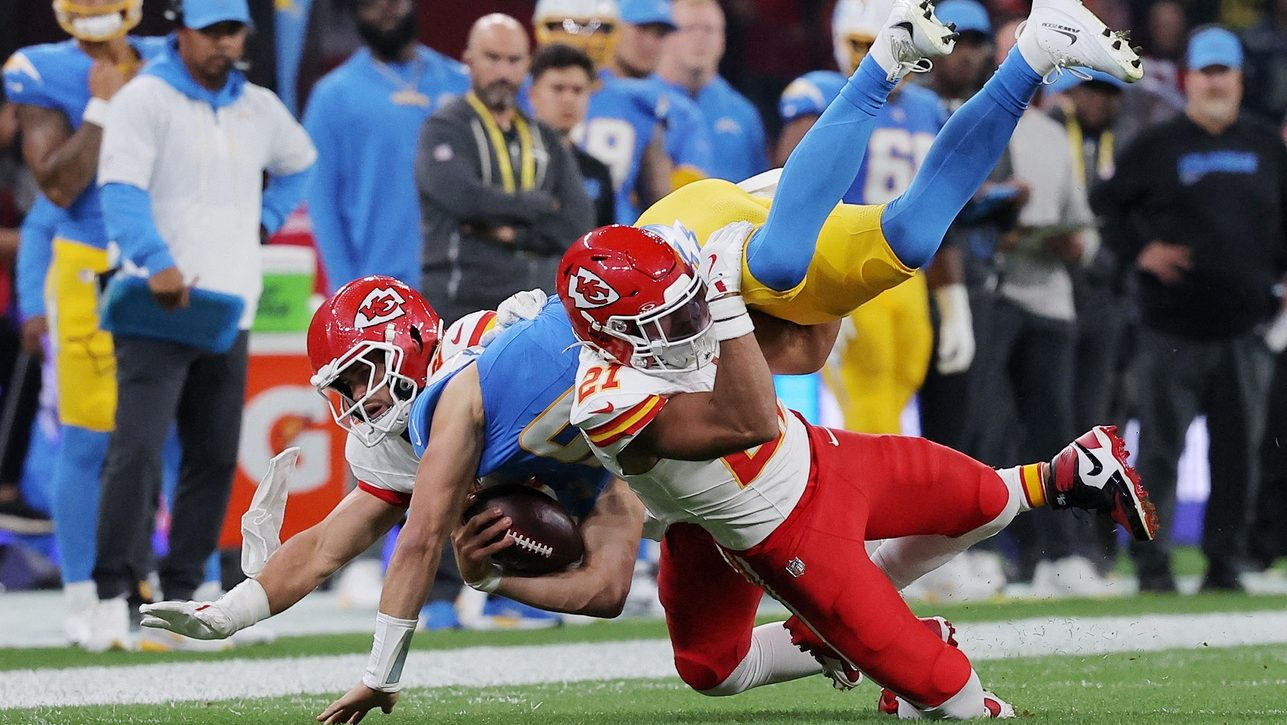
Last Friday marked a milestone for both the NFL and YouTube, as the platform delivered its first-ever global stream of a live NFL game. The Los Angeles Chargers’ upset over the Kansas City Chiefs drew a total audience of 17.3 million, including 1.1 million viewers outside the U.S.
While average minute audiences were slightly below those of a typical domestic TV broadcast, the significance was undeniable: for the first time, fans in more than 230 countries and territories could access an NFL game free and online.
A Step Beyond Broadcast
The NFL’s strategy of international expansion has been building for years, with regular season games staged in London, Mexico City, Frankfurt, and São Paulo. Friday’s stream was different. By leaning into YouTube’s distribution, the league wasn’t just exporting games—it was creating a global digital showcase.
Comparisons highlight the achievement:
- NBCUniversal’s Peacock-exclusive stream of a 2024 Brazil game drew 14.2 million viewers.
- Netflix set the streaming benchmark with its Christmas Day NFL doubleheader, averaging 24 million.
YouTube’s entry into this mix demonstrates that the battle for live sports audiences is no longer confined to TV or paywalled apps—it’s a platform war where accessibility, distribution, and creator integration decide who wins.
Beyond Streaming: Building a Creator-Led Ecosystem
YouTube’s NFL partnership has been in motion since 2023, when it acquired rights to the Sunday Ticket package. The vision goes far beyond game broadcasts:
- Creators integrated into the broadcast. YouTube stars like Deestroying joined the commentary team, while watch parties featured personalities such as MrBeast, Haley Kalil, Michelle Khare, and Marques Brownlee.
- Cross-media halftime shows. Colombian pop star Karol G performed, blending traditional entertainment with digital-first viewership.
- Social-first storytelling. Clips, short-form reactions, and alternate feeds were designed to dominate platforms beyond YouTube itself.
This is not just streaming—it’s content ecosystem building, designed to capture younger audiences who live across multiple apps.
The Bigger Picture for the NFL
For the NFL, Friday’s global stream served three strategic purposes:
- Testing new markets. With speculation about a future international franchise, global streams help measure appetite in new territories.
- Broadening fan funnels. Free, open-access games expose casual viewers to the sport, particularly in regions where the NFL is still building traction.
- Diversifying distribution partners. By working with YouTube, the league ensures its product remains relevant in an era where digital-first consumption dominates under-30 audiences.
365247 Consulting Insight
What happened in Brazil is not just a one-off—it’s a signal of where sports broadcasting is heading:
- Global, platform-based access will become a baseline expectation. Fans want the freedom to watch live events anywhere, without paywalls or geoblocking.
- Creators are the new commentators. Integrating influencers into official broadcasts blurs the line between sport and culture, making events discoverable by audiences who may not even follow the league.
- Experiences matter as much as rights. The NFL didn’t just stream a game; it packaged it with creators, music, and community-driven watch parties. This model turns games into events, not just broadcasts.
The future of sports media lies in hybrid strategies—live rights as the anchor, but wrapped in social-first, creator-led, globally accessible ecosystems.
For Brands, Businesses and Services, feature in our posts
IMAGE: IMAGN Images