In a significant development for the 2026 FIFA World Cup, the United States Congress has passed a sweeping reconciliation bill that includes substantial security-related allocations for the tournament, as well as for the 2028 Los Angeles Olympics. Among the approved expenditures is an additional $500 million earmarked specifically for enhancing state and local capabilities to monitor and mitigate threats from unmanned aircraft systems — commonly known as drones — which have become a rising concern for stadium and public event security.
More prominently, the bill also sets aside $1 billion for security, planning, and other logistical expenses tied to the 2028 Summer Olympics in Los Angeles.
For the 2026 FIFA World Cup, to be hosted across the United States, Canada, and Mexico, the bill’s passage marks a turning point in the efforts of U.S. host cities to secure federal assistance. These cities are contractually obligated under FIFA terms to handle the lion’s share of security-related costs — from venue protection to broader citywide safety measures. The total ask by the U.S. host cities was $625 million to alleviate that burden. While not all of it has yet been formally allocated, the inclusion of these figures in the broader spending package signals political alignment and momentum.
The host cities, which will welcome millions of fans during the month-long event, are expecting a windfall in economic impact from tourism, infrastructure investment, and global media exposure. To ensure they’re equipped to manage security on a scale rarely seen in American sports, they’ve leaned on a mix of public funding, private donations, and a full-scale lobbying effort in Washington D.C.
According to The Athletic, these lobbying campaigns were coordinated through high-profile law firms and support from both Democratic and Republican lawmakers. Among the most active were Rep. Josh Gottheimer (D) and Rep. Darin LaHood (R), who jointly urged appropriations committees to view the World Cup as a matter of national — not merely local — security interest.
Their letter characterized the 2026 tournament as “the largest sporting event in history” and made the case that funding for “critical infrastructure, cybersecurity, and law enforcement training” is not only warranted but essential given the evolving global threat landscape.
Another letter followed in December 2024, signed by 48 members of Congress, emphasizing the unprecedented geographic scale of the event and its attractiveness as a potential target for malicious actors. It cited intelligence from the U.S. National Counterterrorism Center, which flagged rising concerns over threats to mass gatherings, especially high-profile international events.
Despite previous efforts failing to embed World Cup funding into federal budgets — most notably in a continuing resolution passed in March — the inclusion in this bill signals a shift. With bipartisan backing and growing awareness of the logistical demands facing host cities, federal support is finally materializing.
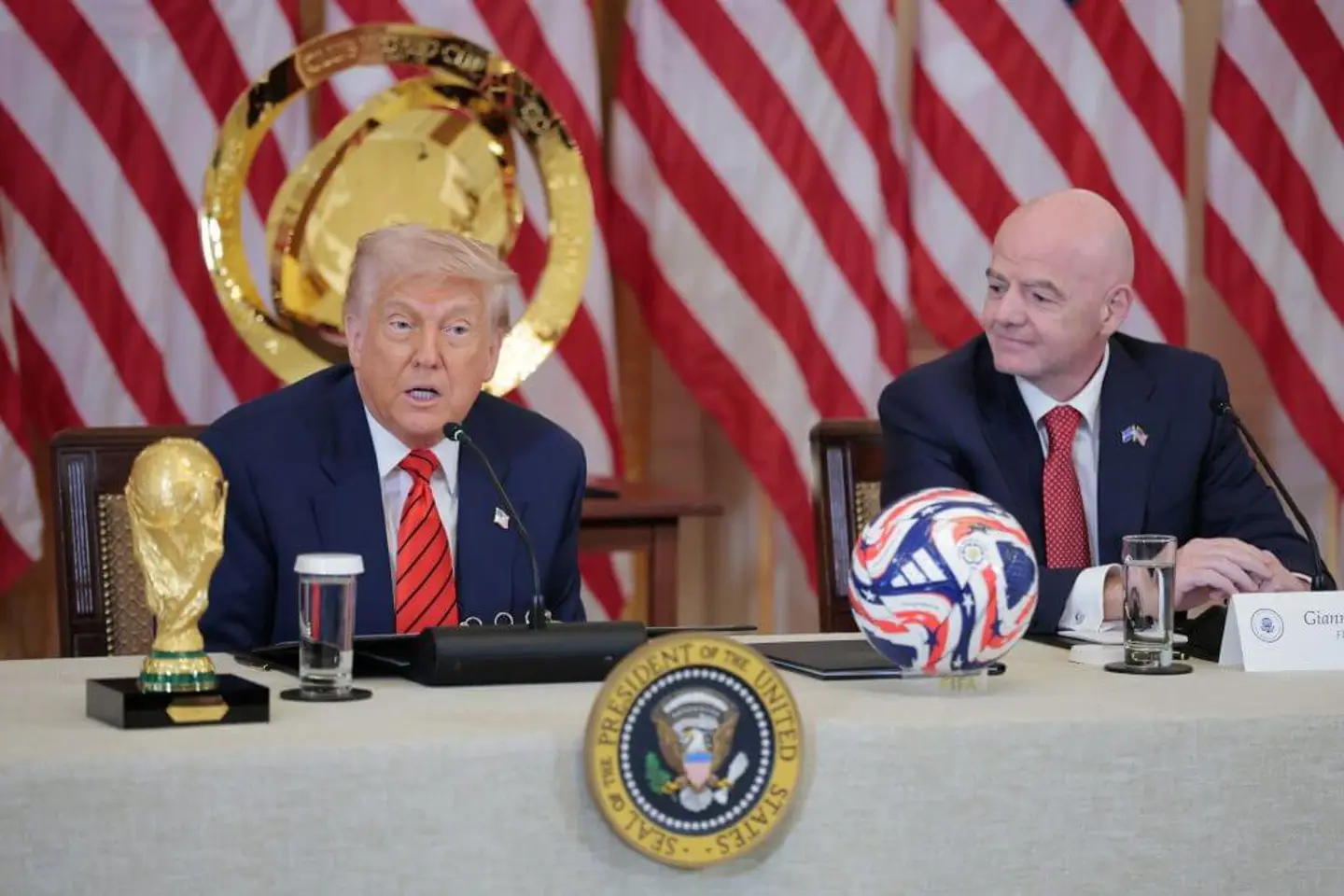
This funding win also marks a quiet but significant success for U.S. Soccer and FIFA. Both organizations have been supportive of host cities’ efforts to gain federal backing. FIFA President Gianni Infantino, known for cultivating strong relationships with national governments, has been present at several White House events, including meetings around the creation of a dedicated World Cup task force.
While Canada and Mexico will host several matches, the United States is set to stage 75% of the tournament, including every knockout match from the quarter-finals onward. That scale alone has elevated the World Cup to a matter of national policy and security.
As the countdown to 2026 continues, this financial support should offer some relief to organizers — and send a message that the United States is prepared to host the most complex, expansive World Cup in history.
Join the 365247 Community here
IMAGE: GETTY IMAGES