CREDIT: Sports Industry Group
The global women’s sport market is on track to generate $23 billion annually by 2033. For brands, this is no longer a matter of simply “showing up” — it’s about earning a genuine place in the conversation and in the hearts of fans.
Sponsorships remain powerful, but in this new era, their value depends on whether they spark authentic, lasting connections. The winning brands will be those that understand women’s sport not just as a marketing platform, but as a dynamic cultural space.
From Brand-First to Fan-First
One standout example is Rexona, which has shifted its strategy toward a “fans first” model — prioritising local insights, authentic athlete narratives, and social-first content designed to earn attention rather than demand it.
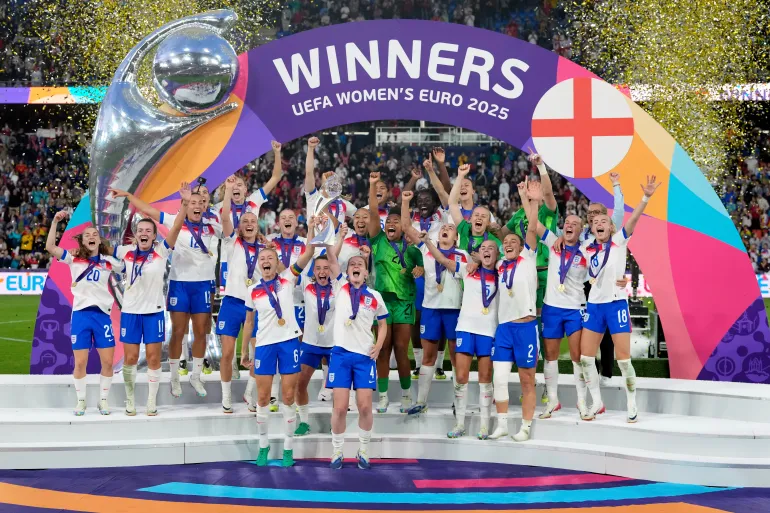
During the UEFA Women’s EURO, Rexona’s unifying brand message (“It Won’t Let You Down”) served as the umbrella, but the true impact came from market-specific storytelling:
- UK: Lucy Bronze was celebrated for her composure and consistency.
- Germany: Focus centred on national team captain Giulia Gwinn and the pressure she faced.
- Netherlands: Vivianne Miedema’s comeback from injury became a story of belief and resilience.
These were not just marketing plays — they were culturally resonant stories tailored to each audience. The reception proved the value of putting in that extra work.
Athletes as Partners, Not Props
Central to this approach is treating athletes as authentic partners whose real experiences shape the brand’s message.
- Ellie Simmonds, for instance, has been positioned not just as a decorated Paralympian, but as a trailblazer changing perceptions of what performance means.
Such narratives create emotional connections, elevate credibility, and sustain brand growth.
The Influence Multiplier
In the women’s sport ecosystem, influencers and creators extend the reach. Game-day rituals, player collaborations, and real-time commentary offer entry points for audiences who may not follow sport closely, but care about culture, identity, and representation. This blend of fandom and influence amplifies stories far beyond traditional sports coverage.
Always-On Storytelling
Rexona went beyond static campaigns, building a 24/7 Locker Room content hub to deliver real-time coverage and behind-the-scenes access. This allowed them to maintain a two-way dialogue with fans across markets — ensuring the brand was embedded in the rhythm of sport, not just the peak moments.
Women’s Sport: Entertainment and Economics
Women’s sport is one of the fastest-growing entertainment sectors globally, with revenues expected to rise 240% by 2025(Deloitte). For brands, the opportunity is clear:
- Treat women’s sport as a serious business play.
- Invest with creative ambition and cultural intelligence.
- Focus on performance and story, not token representation.
Visibility alone won’t secure loyalty. But relevance, resonance, and consistency can turn fans into communities — and communities into long-term commercial growth.
The brands that recognise this now will be the ones still standing when women’s sport hits its $23 billion milestone.
Partner With Us
Want to feature your brand, business, or service on 365247 — Whether you’re looking to sponsor, collaborate, or build presence within our ecosystem, we’d love to explore it with you.
Submit your Interest Here
IMAGE: AP