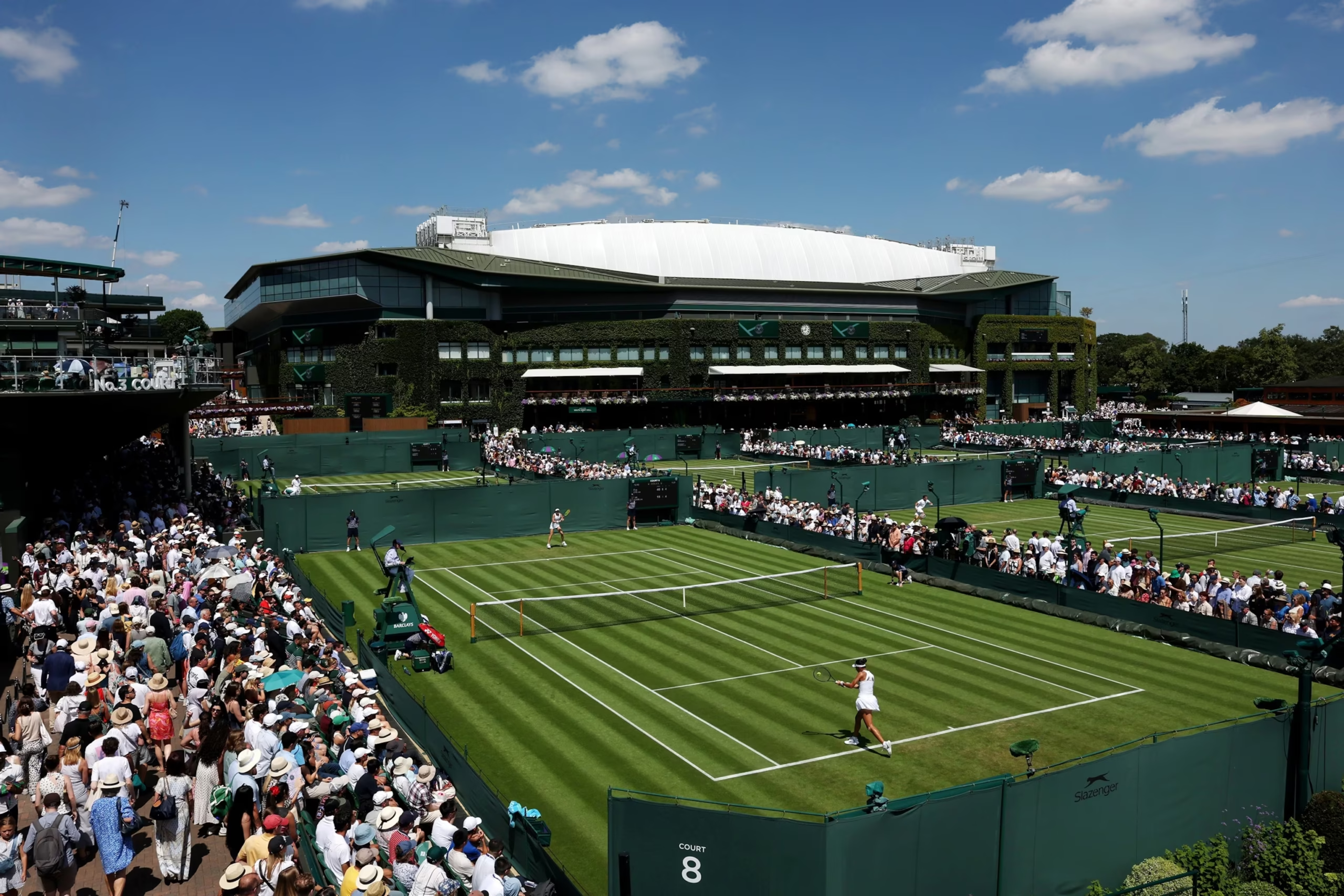
As the iconic lawns of SW19 welcome the world once again, Wimbledon 2025 promises what fans have come to expect: high drama, global star power, and elite sporting spectacle. It remains an unrivaled benchmark in event presentation and commercial prestige, consistently topping fan perception charts.
But beneath the shine of Centre Court, tennis is in flux. From broadcast innovation to calendar reform and geopolitical investment plays, Wimbledon now sits not just at the heart of sport, but at the crossroads of commercial transformation and competitive disruption.
The New Face of Tennis Superstars
While legends like Roger Federer, Rafael Nadal, and Serena Williams have exited the main stage, their successors are not just ready—they’re commanding new audiences. Names like Carlos Alcaraz, Jannik Sinner, and Coco Gauff have carried the sport’s narrative from Paris to London with performances that attract both fans and sponsors alike.
These stars don’t just move the needle—they are the needle.
A Sport at War with Its Calendar
Behind the scenes, governance tensions are mounting. Tennis’ global calendar remains a source of friction, with Grand Slams pushing for a ‘Premium Tour’ model, while the ATP and WTA advocate for a more inclusive tour ecosystem.
One of the boldest moves came from the USTA, which expanded the US Open by adding a high-profile mixed doubles event with marquee singles players. For some, this is an innovative fan-first idea; for others, a direct threat to traditional structures and specialist athletes.
Meanwhile, two-week formats for 1000-level events have become standard, extending the season and limiting off-time for players. The players’ voices are growing louder. Disruption feels not only possible—but inevitable.
Saudi Arabia, Investment, and the Global Chessboard
Saudi Arabia’s Public Investment Fund (PIF) continues to reshape global sport—and tennis is no exception. Deals with both ATP and WTA have locked in Jeddah as host of the year-end WTA Finals and Next Gen Finals, even if crowds haven’t filled seats. Prize money has risen, but ethical questions around geography and visibility remain.
Looking forward, a Saudi-hosted Masters 1000 tournament is reportedly on the cards by 2028. But the bigger issue is saturation. With a jam-packed schedule, something will have to give—and many fear that emerging regions like South America will lose ground to Gulf mega-events.
Tennis’ Growing Divide: Stars vs. Strivers
The commercial chasm between the top 20 and everyone else is widening.
Superstars are cashing in through appearance fees, exhibition events, and multi-million dollar sponsorships. Jannik Sinner reportedly earned over $7.5 million for one exhibition—more than the Wimbledon champion itself.
But below the top 50, the ecosystem is increasingly unforgiving. Many players fund their own travel, coaching, and accommodation, often without consistent income or brand support. Wild card access remains restricted to players from Grand Slam nations, and changes to doubles formats may limit opportunities further.
This is compounded by tennis’ low player revenue share, often between 15–30%, compared to American leagues where athletes see closer to 50%. A lawsuit from the Professional Tennis Players Association now seeks to restructure the economics—though top players have yet to attach their names publicly.
What Happens Next?
Wimbledon remains tennis’ crown jewel. But its status also masks the foundational imbalances brewing across the sport.
Whether it’s calendar reform, investment strategy, or equitable revenue distribution, the game is approaching an inflection point. Wimbledon’s Centre Court drama may play out in front of millions, but the bigger battles will unfold in meetings rooms, negotiation tables, and legal filings in the months to come.
This article was inspired by an original op-ed by James Tollington, Group Director at sports and entertainment agency Fuse.
365247 View:
Tennis, like Formula 1 before it, stands on the cusp of a commercial and structural realignment. Leagues, federations, and private investors must now craft solutions that serve all four stakeholders: fans, sponsors, players, and platforms.
Key strategies we recommend:
- Calendar compression combined with franchise-level storytelling
- Co-branded Grand Slam-linked tours to distribute visibility beyond traditional strongholds
- Redesign of the prize pool structures, especially for non-top-20 athletes
- Geopolitical balance in hosting rights to sustain long-term regional growth
- Commercial infrastructure for a “Tennis World Tour” DTC model, powered by player-owned media
Looking to enter sports as a brand, build a cross-continent athlete sponsorship plan, or restructure rights frameworks for emerging tournaments?
Join the 365247 Community here.
IMAGE: Getty Images