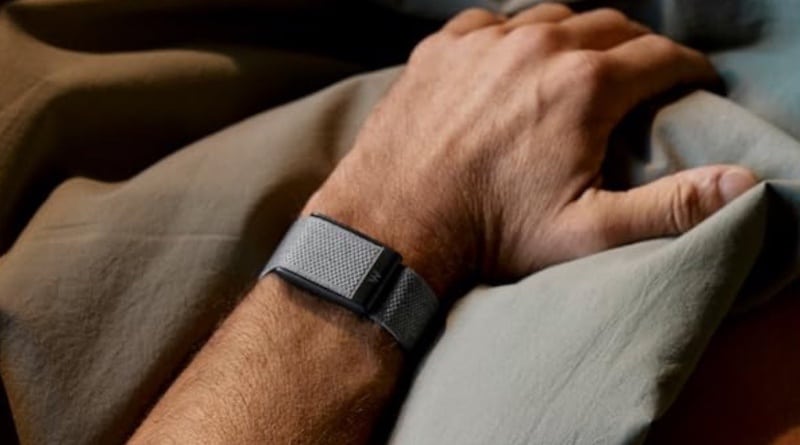
Wearable technology continues to blur the lines between wellness and clinical healthcare—and now, the U.S. Food and Drug Administration (FDA) has officially drawn a line in the sand.
Whoop, the performance-focused wearable brand, is facing intense scrutiny from the FDA over its new Blood Pressure Insights (BPI) feature. The regulator has warned the company that this tool, introduced in May alongside new hardware, could classify the wearable as a medical device, subjecting it to far more stringent regulatory oversight.
The FDA’s position is straightforward: by offering estimated systolic and diastolic ranges, Whoop is venturing beyond wellness into diagnostic territory. According to the agency, features that provide blood pressure readings—even estimated ones—carry inherent health risks and therefore cannot be marketed without formal approval.
“Providing blood pressure estimation is not a low-risk function,” the FDA stated. “An erroneously low or high blood pressure reading can have significant consequences.”
Whoop’s Defense: This Is Not a Medical Device
Whoop has pushed back. The company argues that BPI is meant for performance and wellness tracking—not for diagnosing or treating hypertension. To activate the feature, users must input three cuff-based readings, which the system uses to generate a daily estimated range.
A Whoop spokesperson emphasized that BPI operates similarly to other wellness indicators like heart rate variability or respiratory rate, which are not classified as medical devices. In the company’s view, the FDA is applying outdated logic, assuming that any mention of blood pressure must fall under the clinical domain.
“We believe the agency is overstepping its authority by attempting to regulate a non-medical wellness feature as a medical device,” said a company spokesperson.
Regulatory Crossroads: A Sector-Wide Challenge
Whoop isn’t alone. Wearable players such as Omron, Garmin, and Samsung are all exploring or offering blood pressure functionality—some under FDA regulation, others not yet available in the U.S.
Even Apple, arguably the category leader, has teased a blood pressure sensor for its Watch line but hasn’t launched the feature domestically. The tech giant did receive approval in 2024 for a sleep apnea feature, signaling the complex, multi-year process required to bring medical-grade tools to market.
Health Experts: Wearables Offer Both Risk and Reward
Dr. Ian Kronish, co-director of Columbia University’s Hypertension Center, offered a balanced view: “Wearables offer a big opportunity to empower patients—but only if they are accurate. Inaccurate data can be more harmful than helpful.”
He also praised the FDA for stepping in, stating that consumers need clearer guidance on how to use these emerging tools—and when to consult medical professionals.
Next Steps for Whoop
The FDA has given Whoop 15 business days to respond with corrective actions. If the company fails to do so, it could face civil penalties, injunctions, or even product seizure.
This regulatory flashpoint reflects a much larger theme in the wearables space: the need for clarity, compliance, and consumer safety as health-tech devices increasingly straddle the line between wellness accessories and regulated medical instruments.
IMAGE: WHOOP