Credit: The Athletic
In 2006, Gary Weight — once a road manager for bands like Thin Lizzy, Echo & The Bunnymen, and The Stranglers — found himself facing a familiar challenge off the stage: funding a football kit for his son’s youth team, Greenbank FC, in Lincolnshire. With no clear sponsor in sight and a modest £350 needed, he turned to what he knew best — music.
What followed became one of the most iconic and unconventional sponsorship stories in football culture.
After reaching out to long-time friend Lemmy from Motörhead, Weight secured the band’s support to sponsor Greenbank’s under-10s. The result? A sleek, all-black kit featuring the band’s infamous snaggletooth logo — and a media frenzy that landed the team coverage across BBC, Sky Sports, ITV, and global outlets. Even the FA had to step in, reportedly banning the kit due to its resemblance to referee attire.
But the statement had already been made.
Cultural Crossover as Club Currency
From Lemmy to Ed Sheeran’s partnership with Ipswich Town, or Fontaines D.C. supporting Bohemians in Ireland, musicians sponsoring football clubs is no longer a novelty. It’s a cultural statement. Artists like Chase & Status, The Libertines, and even Oasis (via Bohemians’ recent FAI Cup kit) have redefined the emotional link between fans and shirts.
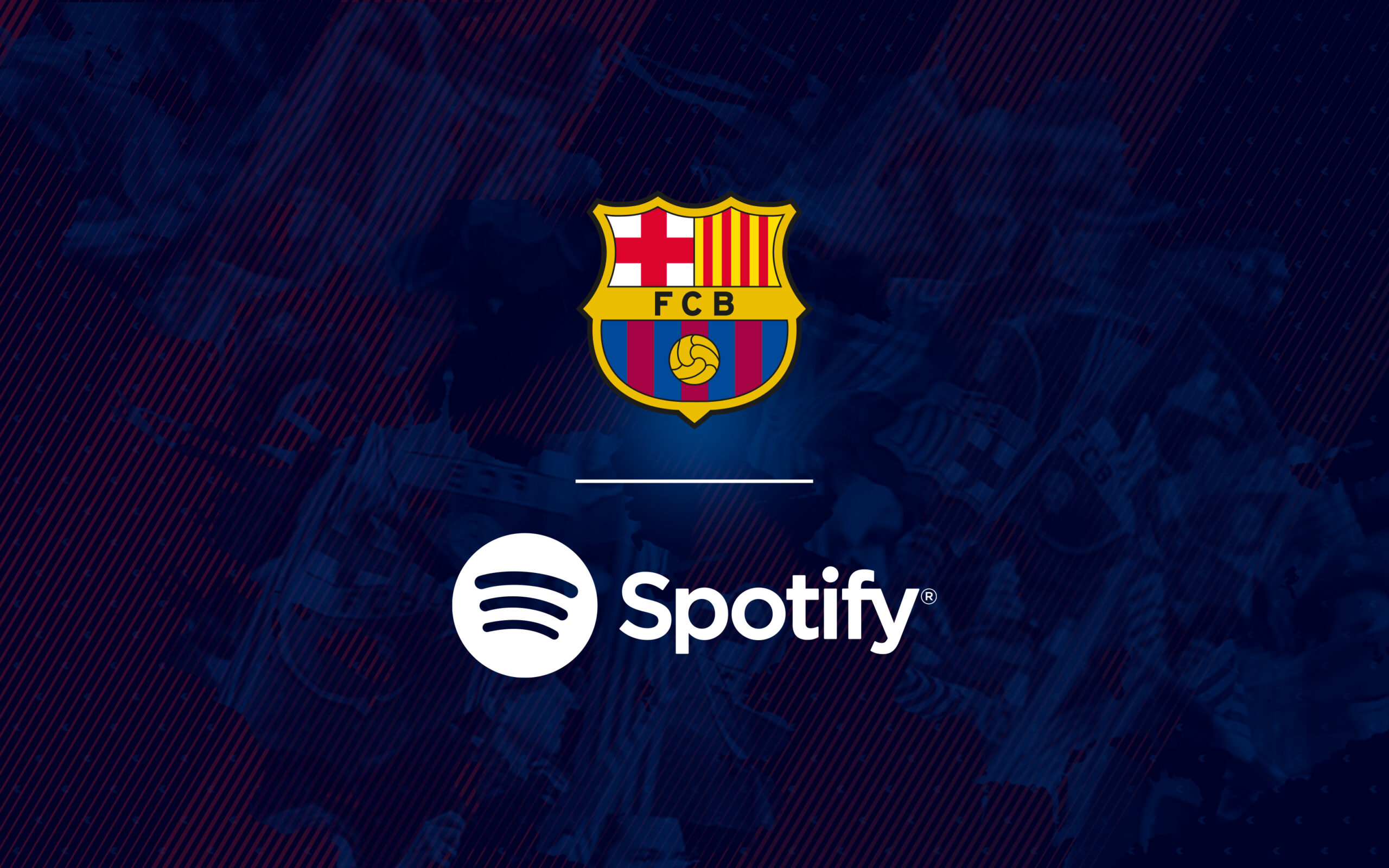
Even global giants have adopted the model. Spotify’s deal with FC Barcelona turned limited-edition jerseys into collectibles, with the logos of Travis Scott, Coldplay, and the Rolling Stones featured in El Clasico matches — merging merchandise with music fandom to explosive commercial effect.
And at the grassroots level, the movement is thriving. Acts like Biffy Clyro, 50 Cent, and The Prodigy are quietly funding kits and supporting local teams, ensuring football remains accessible and vibrant for future generations.
How Music x Sport Sponsorships Are Redefining Value in Football
For clubs — from grassroots to elite — aligning with musical acts is no longer just about funding. It’s about cultural relevance, cross-audience engagement, and narrative value.
At 365247 Consultancy, we believe this movement is still in its infancy. Here’s what we advise:
1. Emotional Authenticity Wins
When Ed Sheeran sponsors Ipswich or Sam Fender supports Newcastle, it feels real. Clubs should seek partnerships that reflect community ties, musical heritage, or shared ethos — not just transactional branding.
2. Merchandising is Media
Music-branded kits become collector’s items, not just matchwear. Limited drops and artist collaborations can unlock new revenue streams and global audiences.
3. Shift the Sponsorship Narrative
As gambling and fast-consumption brands lose ground, music represents a feel-good, future-facing alternative — aspirational, personal, and safe.
4. Don’t Wait for the Artist to Call You
Mid- and lower-league clubs have untapped potential to pitch artists directly — especially those with strong local roots or emerging albums needing community engagement.
5. Think Beyond the Front of Shirt
Naming rights, tunnel artwork, locker room playlists, social media takeovers, and half-time gigs — these are all activations waiting to be packaged.
Want to Create the Next Cultural Sponsorship Moment?
At 365247 Consultancy, we help clubs and rights holders reimagine what partnerships can mean. Whether you’re a grassroots team seeking your first sponsor, or a top-tier club looking to refresh your brand, our team builds bridges between sport, music, and lifestyle.
Join the 365247 Community here
CREDIT: The Athletic