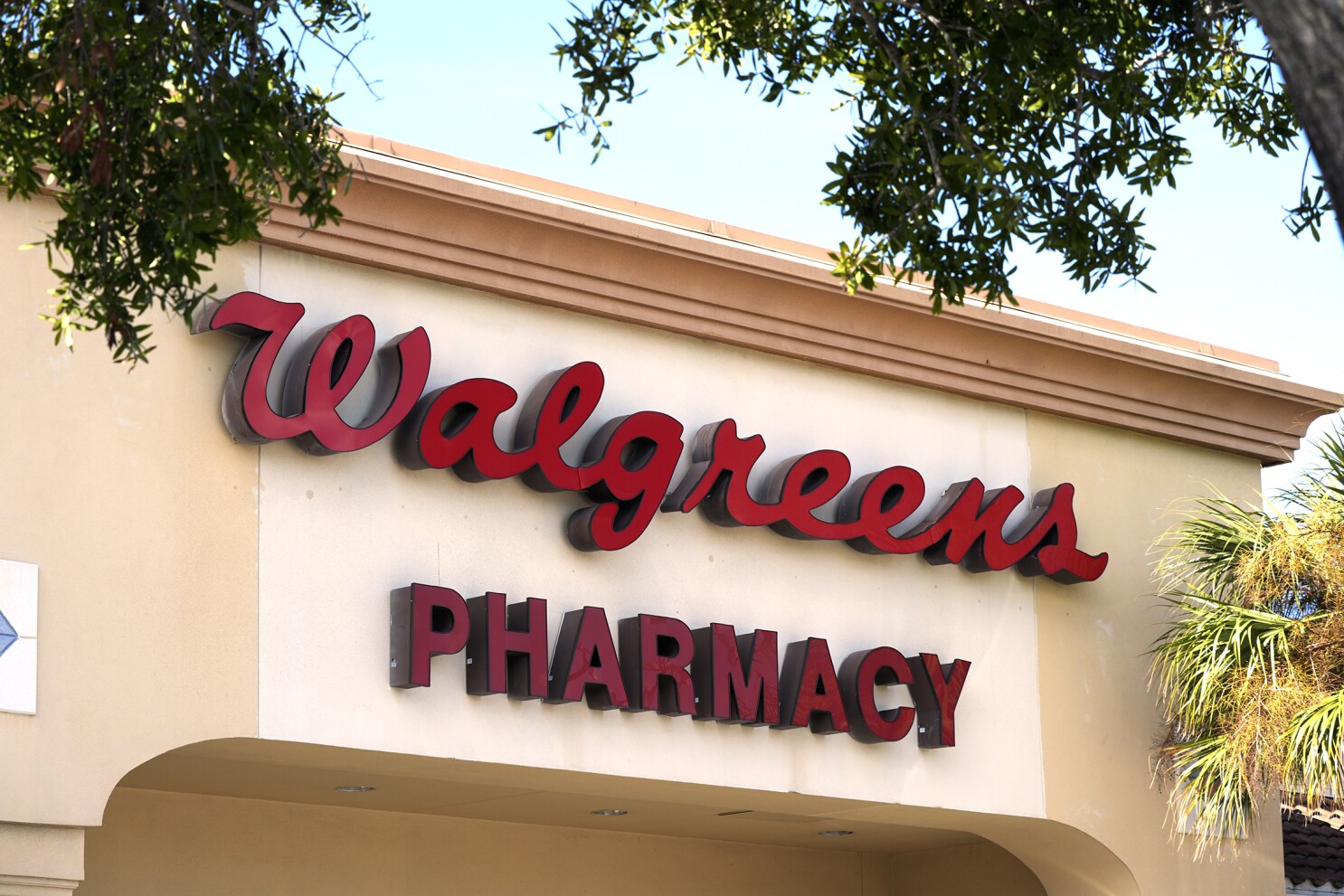
In a move that reshapes the landscape of American retail healthcare, Walgreens shareholders have officially approved a $10 billion buyout offer from Sycamore Partners, signaling the transition of one of the nation’s most recognized pharmacy chains into private ownership.
At a special shareholder meeting this week, an overwhelming 96% voted in favor of the acquisition, which is expected to close later this year. Once complete, Walgreens will no longer trade publicly and will become part of Sycamore’s growing retail portfolio, which already includes brands like Staples, Belk, and Hot Topic.
Deal Terms and Strategic Shift
The buyout values Walgreens at $11.45 per share. The new ownership structure aims to refocus the company on its core pharmacy operations while divesting from non-essential verticals, including its stake in VillageMD, a network of primary care clinics.
CEO Tim Wentworth welcomed the shareholder backing and framed the deal as a pathway to accelerate the brand’s turnaround: “With Sycamore’s partnership, we will be better positioned to enhance our customer experience and become the go-to destination for pharmacy, retail, and health services.”
Under the Surface: Debt and Risk
However, not all observers are confident. The Private Equity Stakeholder Project (PESP), a watchdog group, raised concerns about the deal’s financing structure—suggesting Walgreens is taking on significant new debt to facilitate the acquisition.
This move, while common in private equity transactions, carries risk. Historically, similar deals have led to severe cost-cutting measures, operational restructuring, and in some cases, mass closures or bankruptcies. PESP noted Sycamore’s track record includes multiple bankruptcies across its portfolio, including Belk and Nine West, and flagged past legal issues involving labor, safety, and environmental violations.
With Walgreens already struggling—having previously announced that roughly 25% of its 8,700 stores face “unsustainably low sales”—this acquisition could place added strain on the company’s operations and public trust, especially in underserved communities reliant on local pharmacy services.
IMAGE: AP