Credit: Malte Karstan
For over two decades, Volkswagen Group has quietly constructed one of the most intricate and effective long-term football investment strategies in European sport. While the spotlight often shines on Qatar’s oil wealth or U.S. private equity, VW’s €4.7 billion commitment tells a different story—one of cultural embedding, national alignment, and strategic brand influence.
What began with the full ownership of VfL Wolfsburg has now become a sprawling football ecosystem powered by Audi AG, Porsche AG, and Volkswagen’s brand network, reaching far beyond the pitch.
A Corporate Playbook Rooted in Germany
At the heart of this strategy is VfL Wolfsburg, the Bundesliga club owned 100% by Volkswagen AG, serving as a flagship activation platform. But Wolfsburg is just the first tile in a broader football mosaic.
Through its subsidiaries:
- Porsche AG owns 12.5% of VfB Stuttgart, fresh off their 2025 DFB Pokal win, and partners with Borussia Mönchengladbach on youth development.
- Audi AG owns 8.3% of FC Bayern Munich, and also backs Hoffenheim, Ingolstadt, Augsburg, and others—blending sponsorship with operational involvement and community programs.
- Volkswagen’s long-term deals with SV Werder Bremen, Hannover 96, Holstein Kiel, Eintracht Braunschweig, and even RB Leipzig span across shirt sponsorships, co-branded campaigns, and shared talent pipelines.
This isn’t just sponsorship. It’s integrated football infrastructure—deeply woven into the commercial and emotional fabric of German football.
The Global Web: From Germany to Qatar to Paris
The influence extends even further when you factor in Volkswagen’s shareholders. The Qatar Investment Authority (QIA) owns 10.4% of VW AG through Qatar Holding.
QIA also controls Qatar Sports Investments (QSI) — owners of Paris Saint-Germain and 29% of SC Braga. This effectively creates a financial corridor from the Gulf to the Bundesliga, connecting the German auto giant to some of the most influential entities in global football.
National Stage and Grassroots: Football As Brand Citizenship
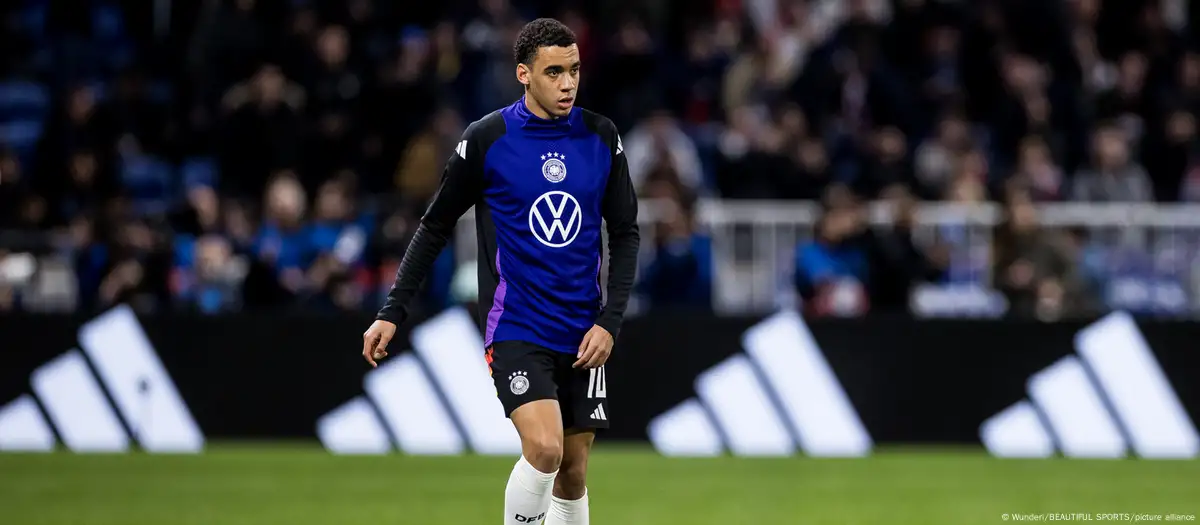
Volkswagen’s role isn’t limited to club football. It’s the exclusive automotive partner of the German Football Association (DFB) and Scottish FA, extending its footprint into national identity, youth programs, grassroots development, and pan-European visibility.
This holistic approach positions VW not just as a brand sponsor, but as a cultural steward of football—an organization that blends commercial goals with national pride, social inclusion, and sustainable legacy.
What Makes VW’s Football Model Different?
This is not just about slapping logos on shirts.
Volkswagen has designed a multi-layered, culturally embedded football strategy rooted in:
- Long-term equity investments
- Youth and academy alignment
- Localized club activations
- Global shareholder synergies
- National identity partnerships
The result? Influence without noise. Legacy without splash. A corporate model that speaks through consistency, not headlines.
What This Means for Your Club or Brand?
At 365247 Consulting, we believe the Volkswagen model offers a masterclass in how to use football as a global brand strategy—not just a marketing channel.
We help:
Clubs attract long-term investors with aligned values
Brands embed within football culture through smart partnerships
Ownership groups design strategic multi-club investment models
Federations and leagues build sustainable commercial ecosystems
Want to build your version of the Volkswagen model?
Let’s architect your football strategy. Schedule your introductory call here.
Join the 365247 Community here.
IMAGE: Wunderl/BEAUTIFUL SPORTS/picture alliance