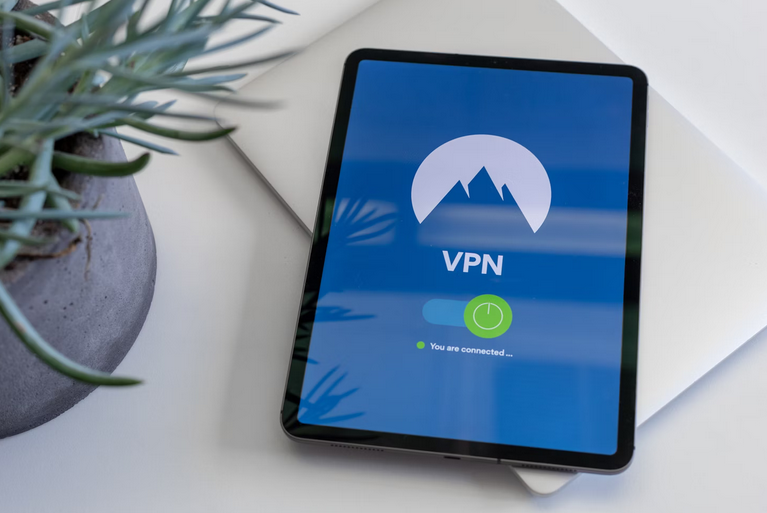
As the UK’s new Online Safety Act rolls out stringent age-verification requirements for access to adult and sensitive content online, a dramatic shift is taking place in user behavior — VPN usage is skyrocketing.
On July 25, the day the legislation took effect, VPN provider Proton VPN recorded an eye-opening 1,400% spike in hourly sign-ups originating from the UK. The reason? The law now requires platforms hosting adult content — including websites and dating apps — to deploy robust age verification tools, such as facial recognition or financial identification, to prevent minors from accessing explicit material.
This mass adoption of VPNs is not limited to a single provider. By Monday morning, VPN apps dominated the UK’s Apple App Store, with five out of the top ten free downloads falling into the category. The spike mirrors similar trends seen earlier in France, but this time, reports suggest the scale is even greater and more sustained.
What’s Driving the VPN Rush?
The Online Safety Act mandates that platforms must verify whether a user is over 18 before allowing access to adult content. Techniques used include:
- Uploading a government-issued photo ID
- Taking a selfie for AI-based facial age estimation
- Submitting payment details via credit card
Although intended to protect minors from online harm, these methods raise serious concerns among users about privacy, surveillance, and data retention. In response, many have turned to VPNs as a workaround — rerouting their digital location to countries where such verification is not required.
Understanding VPNs and Their Role
A Virtual Private Network (VPN) encrypts your internet connection and routes it through remote servers across the globe. This not only hides your real IP address but also makes it appear as though you’re browsing from another country.
In this context, UK-based users are leveraging VPNs to bypass local restrictions and access websites without submitting sensitive personal information. However, it’s important to note that while VPN use is not illegal, platforms themselves are forbidden from encouraging or promoting their use as a means of circumventing regulations, as per Ofcom guidelines.
Beyond VPNs: Other Workarounds
Some users have also turned to other anonymizing tools like:
- Tor Browser: Encrypts traffic and bounces it through multiple servers worldwide to hide user identity and location.
- Proxy Servers: Provide alternative IP addresses, though they lack the end-to-end encryption of VPNs.
That said, cybersecurity experts caution against relying on free VPNs or proxies, which may compromise user safety. Many are reportedly embedded with tracking scripts, poorly maintained, or even operated by data harvesting firms.
The Bigger Picture: Privacy vs. Protection
The Online Safety Act is designed with the right intent — safeguarding children from harmful content online. But its execution raises a broader debate around digital autonomy, privacy, and surveillance. Users are left balancing their desire for anonymity against a state-led push for tighter regulation and compliance.
And with the UK not outlawing individual VPN usage for bypassing age verification, the question becomes less about legality and more about ethics, transparency, and user rights in a digitally governed era.
Partner With Us
Want to feature your brand, business, or service on 365247 — Whether you’re looking to sponsor, collaborate, or build presence within our ecosystem, we’d love to explore it with you.
Submit Your Interest Here