When PSG demolished Inter Milan 5-0 in the UEFA Champions League final, the historic scoreline wasn’t the only spectacle on display. Across the Atlantic, viewers had radically different experiences depending on which broadcaster they chose: TNT Sports in the UK or CBS Sports in the U.S.
These broadcasts were more than just coverage—they were reflections of strategy, identity, and future ambitions in football media. So, what worked, what didn’t, and what can rights holders learn from this clash of coverage styles?
TNT Sports (UK): Safe, Sensible, and Flat
TNT Sports delivered a show that, while competent, lacked flair. Anchored by Laura Woods, the coverage offered a two-hour pregame show populated by familiar faces: Rio Ferdinand, Steven Gerrard, Karen Carney, and others. But the energy often felt manufactured, the conversation repetitive, and the insights superficial.
Bright spots came from Julien Laurens and James Horncastle. Their deep contextual knowledge provided much-needed substance. Laurens painted an emotional picture of PSG’s importance to Paris, while Horncastle connected Inter’s present to its storied past.
However, TNT’s overall structure felt formulaic. No standout interviews, minimal creative segments, and an over-reliance on pundit banter. Worse, critical narratives—like PSG’s vast Qatari-backed spending—were entirely ignored.
Match commentary, while biased in previous outings, was reined in here. Still, moments of real analytical value were rare. Post-match insights were strong, particularly from Gerrard, but they didn’t erase the safety-first feel of the broadcast.
CBS Sports (US): Big, Bold, and a Bit Bizarre
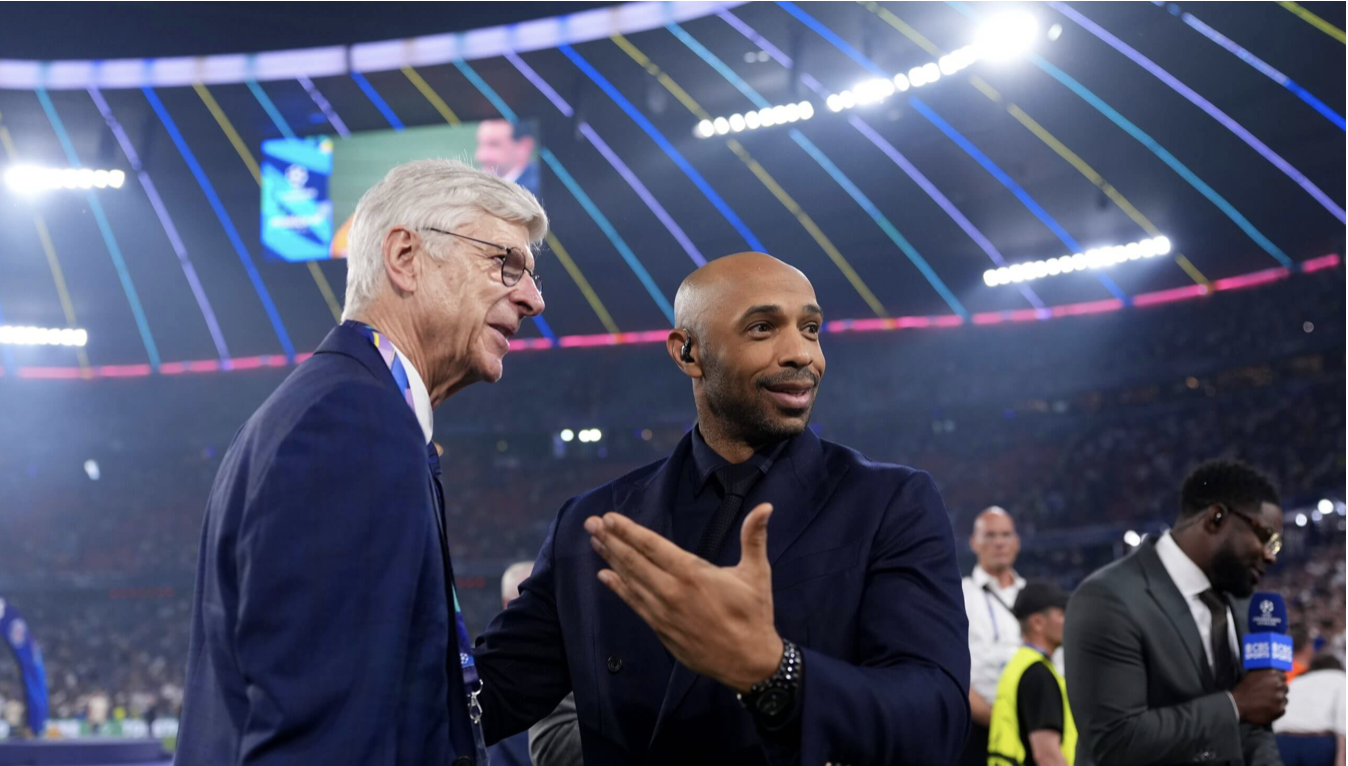
CBS Sports leaned into American entertainment values and delivered a vibrant, big-budget experience. With Kate Scott, Thierry Henry, Micah Richards, and Jamie Carragher fronting the show, it had the feel of a blockbuster.
Pre-match content was elite: Henry’s intimate interview with Inter’s Marcus Thuram was deeply personal and elevated the broadcast’s emotional impact. CBS went beyond the expected, offering storytelling that resonated.
Then came “Beckham & Friends Live,” a watchalong altcast featuring David Beckham and Tom Cruise. It was ambitious but inconsistent. While some moments sparkled, others felt like star-chasing over substance. Still, CBS showed an appetite for innovation and entertainment few others dare match.
Consultancy Lens: What Should Broadcasters Do Next?
Rights holders must recognize that the UEFA Champions League final is more than just a match—it’s a global entertainment event. TNT must elevate its product to reflect that.
Recommendations:
- Segmented Content Strategy: Split your audience by need. Offer deep-dive tactical breakdowns on one stream and entertainment-driven coverage (like CBS’s altcasts) on another.
- Narrative Investment: Hire researchers and writers to craft storylines—team journeys, cultural relevance, historical arcs. Build emotional stakes beyond the pitch.
- Cultural Relevance: Bring in voices that understand the wider societal context—politics of ownership, fan culture, urban impact. Don’t ignore the uncomfortable truths (e.g., state funding).
- Talent Development: Invest in unique voices. The days of generic pundit panels are fading. Give stage to voices like Horncastle and Laurens who offer specialist value.
- Altcast Experimentation: Create segmented experiences for fans—casual watchalongs, coach’s cam, fan-view commentary. Let the audience choose their own matchday journey.
Is This the Future?
Absolutely. As live sports morph into cultural festivals, the lines between match coverage and entertainment are blurring. Just showing the game isn’t enough.
Broadcasters must innovate, storytell, segment, and—crucially—respect the intelligence of their viewers. CBS may not have been perfect, but they showed the future: flexible, personality-driven, narrative-rich football broadcasts.
TNT? They’re still covering a match. CBS? They’re hosting an event.
IMAGE: Getty Images