Champions League qualification. A new manager in Thomas Frank. A new CEO in Vinai Venkatesham.
Tottenham Hotspur are reshaping their future — but the most transformational shift could come off the pitch.
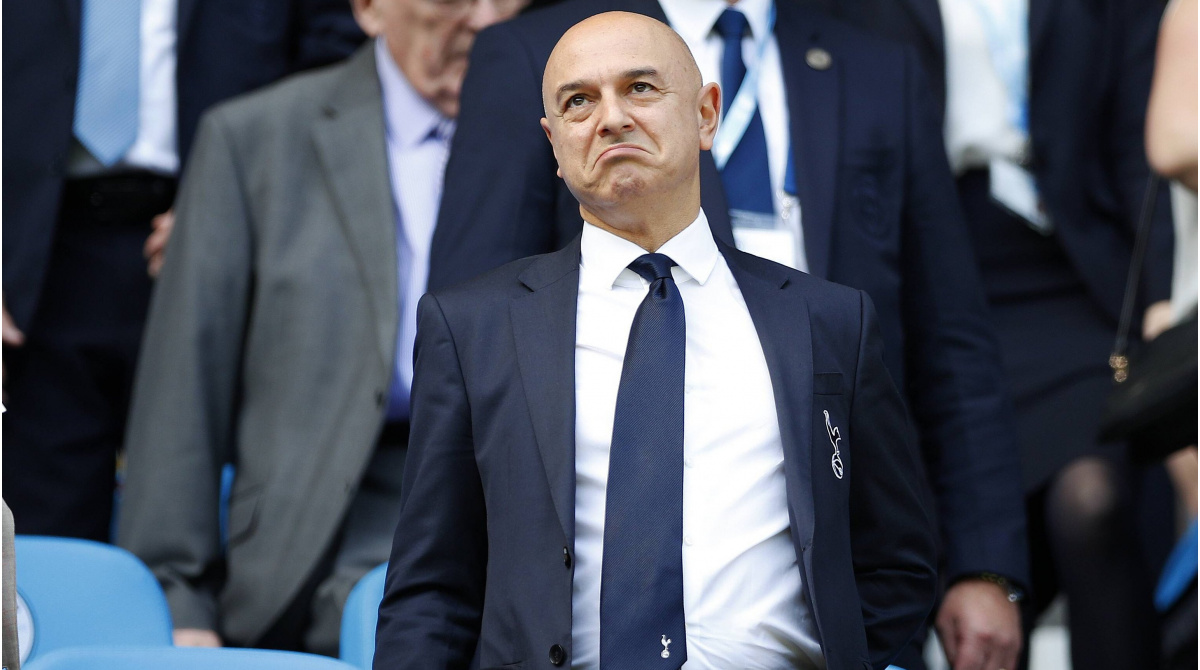
Speculation is intensifying that Daniel Levy, after 24 years at the helm, is open to selling the club. If he does, it would mark the end of an era that saw Spurs reach a Champions League final, finish in the Premier League’s top six in 13 of 16 seasons, and redefine what financial efficiency in football looks like.
But what exactly would a new buyer be getting? The answer: one of the most commercially powerful and strategically future-proof clubs in world football.
Why Spurs Are Positioned Differently
Location: London Advantage
No football club has exploited the “capital premium” quite like Tottenham. London is not just a city; it’s a business playground for billionaires, global sponsors, and world-touring artists. From dealmaking to hospitality, Tottenham’s location offers an unmatchable blend of accessibility and global prestige.
Stadium: An Entertainment Coliseum
The jewel in Levy’s legacy is the Tottenham Hotspur Stadium, completed in 2019. Originally projected at £305 million, it ultimately cost £1.2 billion — but this was no vanity project. It’s a 62,850-capacity venue engineered for diversified, year-round revenue generation.
- 19 concerts in 2024 (most in the Premier League)
- Home to two guaranteed NFL games annually until 2030
- Venue of choice for major tours, including Beyoncé’s six-date stop
- Future home of a 180-room hotel and apartment complex
Unlike clubs who rely solely on football, Spurs have created a venue that earns seven days a week.
Financial Strength in the PSR Era
With Premier League profitability and sustainability rules (PSR) tightening and broadcasting rights plateauing, clubs must now find new paths to growth. Spurs are already there.
- Premier League’s best wage-to-revenue ratio (42%)
- 5th-largest revenue in the league (£528M in 2023–24)
- Matchday revenue of £105.8M (3rd-highest in England)
Upcoming Champions League participation is expected to push revenue beyond £600M, reinforcing the club’s self-sustaining commercial model.
Untapped Naming Rights = Big Upside
Despite the stadium’s global visibility, Spurs have yet to finalize a naming-rights deal. Conservative estimates suggest a 15-year deal could fetch £375M. That untapped commercial potential is a major carrot for investors — especially those looking to place their own brand at the heart of London’s sports and entertainment scene.
Risks & Realities
Tottenham’s strategic case isn’t without its drawbacks.
- Debt: Spurs carry £900M in stadium-related debt. However, most of it is long-term, fixed at a modest 3% interest rate.
- On-Pitch Performance: Since 2019, the club has failed to finish top four in five of six seasons. Despite spending, the departure of Harry Kane and squad instability have led to underwhelming league finishes.
Yet, the club remains committed to youth development and long-term asset building — with talents like Archie Gray and Lucas Bergvall already in the first team.
So What’s the Valuation?
Spurs’ projected 2025–26 revenue is ~£600M. At a standard multiplier of 5x–6x revenue, that puts the enterprise value between £3B–£3.6B.
After subtracting the £900M debt, the equity valuation lands between £2.1B–£2.7B.
A full acquisition offer of £2.5B+ would likely meet Daniel Levy’s threshold — positioning Tottenham as one of the most valuable sports assets in the world, comparable to Manchester United and above Chelsea (sold for £2.5B under distressed circumstances).
Tottenham’s Next Owner Needs More Than Capital
Tottenham represents a rare convergence of infrastructure, location, commercial foresight, and long-term brand positioning. But buying Spurs isn’t about owning a football club — it’s about operating a global entertainment platform.
At 365247 Consulting, we advise stakeholders on:
- Multi-use stadium commercialization strategies
- Brand asset valuation & naming-rights monetization
- Global fanbase and D2C engagement pipelines
- Structuring ownership transitions with long-term growth models
- Asset-backed sports investment with crossover revenue streams
Whether you’re a family office, private equity group, sovereign fund, or venture-backed operator — we can help you evaluate, enter, or transform sports investments like Tottenham.
Schedule your introductory call here.
Join the 365247 Community here.
Original reporting source: The Telegraph.
IMAGE: IMAGO