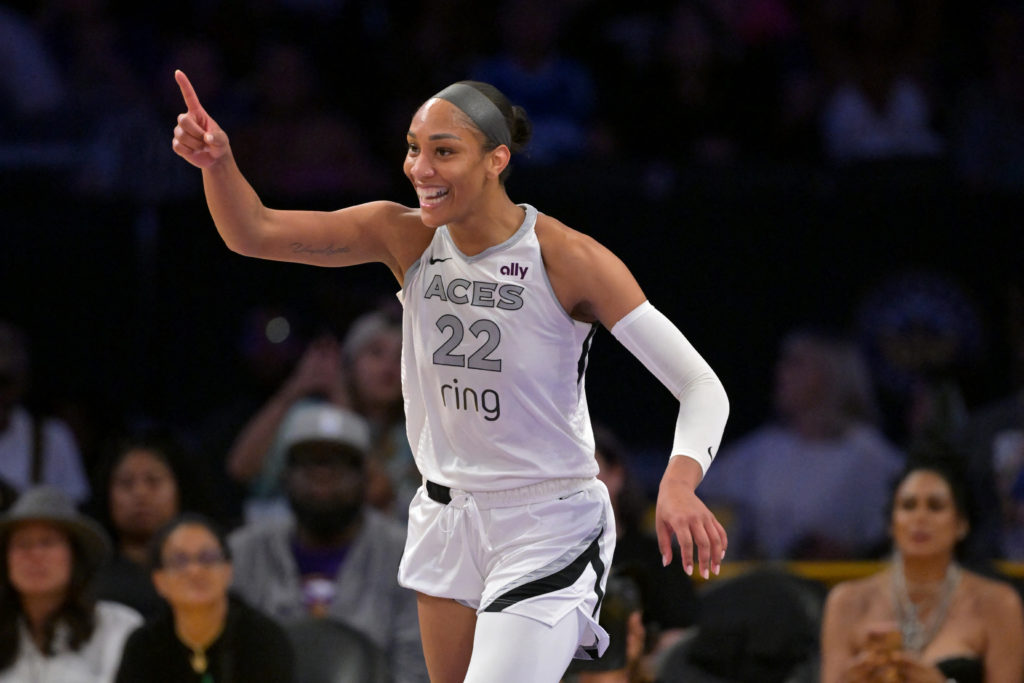
As the WNBA playoffs heat up, new data from the league (via The New York Times) reveals a fan demographic that might surprise many.
When most people picture the average WNBA supporter, they imagine a young girl or a female basketball fan. But the numbers tell a different story: 57% of the league’s fan base is male, while 43% is female. Put simply, for every seven fans, four are men and three are women.
This isn’t a sudden shift — men have made up the majority of the W’s audience for several years. What has changed, however, is age profile. The fan base is skewing much younger, with one particular group driving the trend: boys under 18 have increased their WNBA viewership by more than 130% in the past four seasons. The spike has accelerated in the last two years, coinciding with the arrival of Caitlin Clark, whose stardom has undeniably fueled broader interest in the league.
A Case Study: The Golden State Valkyries
The Golden State Valkyries, the WNBA’s newest franchise, provide a powerful example of this demographic shift.
- According to Golden State Warriors owner Joe Lacob, 55% of Valkyrie season ticket holders are male, closely mirroring the league-wide ratio.
- The Valkyries sold out all 22 home games in their debut season — a landmark achievement for any new franchise.
- Yet the fan overlap between the NBA’s Warriors and the Valkyries is just 7%, showing the WNBA team is building a distinct identity rather than relying on hand-me-down fandom.
Golden State’s Chief Revenue Officer John Bevin summed it up: the Valkyries entered the market with confidence, and it paid off. Not only did they deliver sold-out arenas, but they also expanded the overall basketball audience in the Bay Area. As Bevin put it, “We feel like we’re expanding our audience and our reach on both sides of the business, and a lot of cross-pollination opportunities as we move forward.”
What This Means for the WNBA
The data points to two major insights for the league:
- The WNBA’s growth isn’t confined to one demographic. It’s pulling in younger audiences — particularly young men — at an unprecedented rate.
- Franchises can thrive independently of their NBA counterparts. The Valkyries’ success shows that with the right positioning, a WNBA team can build its own cultural and commercial identity.
The message is clear: the WNBA is no longer just a league riding on potential. It’s building a diverse, young, and engaged fan base that could drive the sport into its strongest commercial era yet.
For Brands, Businesses and Services, feature in our posts
IMAGE: IMAGN IMAGES via Reuters Connect