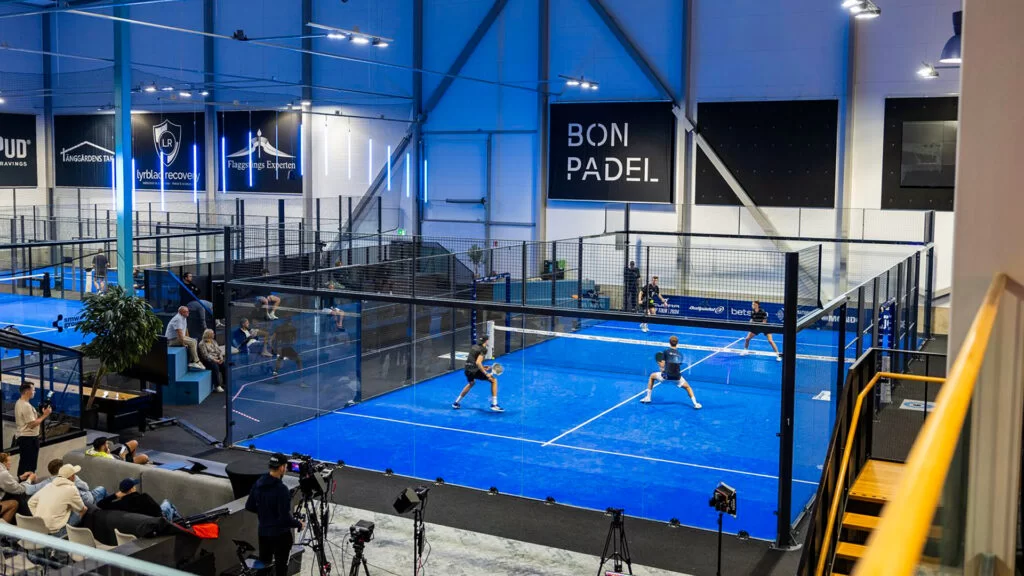
Just a few years ago, Sweden was hailed as the global capital of padel’s explosive growth. From almost no infrastructure, the country ballooned to 4,000+ courts nationwide, creating one of the fastest-growing sports markets in Europe.
Then came the crash. Courts closed, operators went bankrupt, and oversupply shook investor confidence. Yet, the story of Swedish padel isn’t about a sport losing relevance. It’s about business models collapsing under their own weight.
What Went Wrong?
Swedes didn’t suddenly stop playing padel. In fact, participation remains healthy. The problem was structural:
- Too many courts were built, with operators assuming “more supply = more success.”
- Clubs relied too heavily on prime-time bookings, ignoring daytime utilization.
- Few venues invested in community-building, brand development, or youth engagement.
- Revenue diversification was weak — most centers survived only on hourly court fees.
In short, Sweden built the physical product but neglected the cultural and commercial ecosystem around it.
7 Lessons for Global Padel (and Emerging Sports Markets)
- Don’t overbuild – A saturated market kills margins faster than demand grows.
- Build a brand, not just a venue – The strongest clubs are lifestyle destinations, not warehouse courts.
- Lifestyle matters – Coffee, food, and social spaces often generate more loyalty than the courts themselves.
- Put a face to the club – A recognizable leader or ambassador builds trust and community identity.
- Daytime revenue is critical – Kids, retirees, and corporate bookings stabilize income beyond evening peak hours.
- Invest in development programs – Academies for youth and +65 initiatives secure long-term participation.
- Leagues = sticky revenue – Regular, structured competition keeps players committed season after season.
The Big Takeaway
The next generation of padel clubs will not be judged by the number of courts they operate. Success will hinge on the strength of their communities, diversified revenue streams, and cultural relevance.
As Swedish operator Daniel Asp reflected:
“They focused on filling courts, not building community. That’s what made it all collapse.”
365247 Consulting View
For investors and operators worldwide, Sweden is a case study in both opportunity and caution. Padel has immense potential in markets like India, the Middle East, and North America — but only if growth is strategic, not speculative.
Our suggestion: treat padel as a lifestyle product, not just a sport. The winners will be those who integrate padel into broader ecosystems of health, leisure, and community engagement.