Few leagues in world sport have undergone such a rapid commercial transformation in the past 18 months as the WNBA. Behind this renaissance is a single catalyst: a generational class of athletes redefining what it means to be a sports property in the modern era.
From the magnetic presence of Caitlin Clark and Angel Reese to the increasing visibility of Cameron Brink and Paige Bueckers, the league is evolving into a dynamic commercial engine powered by star-driven storytelling and next-gen engagement metrics.
From Viewers to Value: How Rookie Influence Is Reshaping the League
According to recent research published by SponsorUnited, it’s not just on-court performance that is making headlines—it’s off-court influence that is rewriting the WNBA’s commercial blueprint.
At the top of the social engagement leaderboard sits Paige Bueckers, who has delivered nearly 5 million branded social engagements—outperforming every other WNBA player. Angel Reese follows closely with 4.4 million, while Cameron Brink and Caitlin Clark, despite massive media attention, fall in behind with 918,000 and 716,000 engagements respectively.
In this new era, athletes are behaving more like hybrid media properties than traditional endorsers. Their social capital is not just additive—it’s foundational to the business model.
Sponsorship Gravity: Who’s Driving the Dollars?
Reese and Breanna Stewart lead the WNBA in total sponsorship deals, each holding 22 partnerships ranging from legacy corporations to emerging disruptors. Reese’s portfolio includes McDonald’s, Amazon, and Beats by Dre, while Stewart is backed by Peloton and Delta Airlines.
Critically, four of the top five most-sponsored athletes are either rookies or in their sophomore year—a stark indication of how the WNBA’s value proposition is now heavily rooted in individual star power, not just team performance.
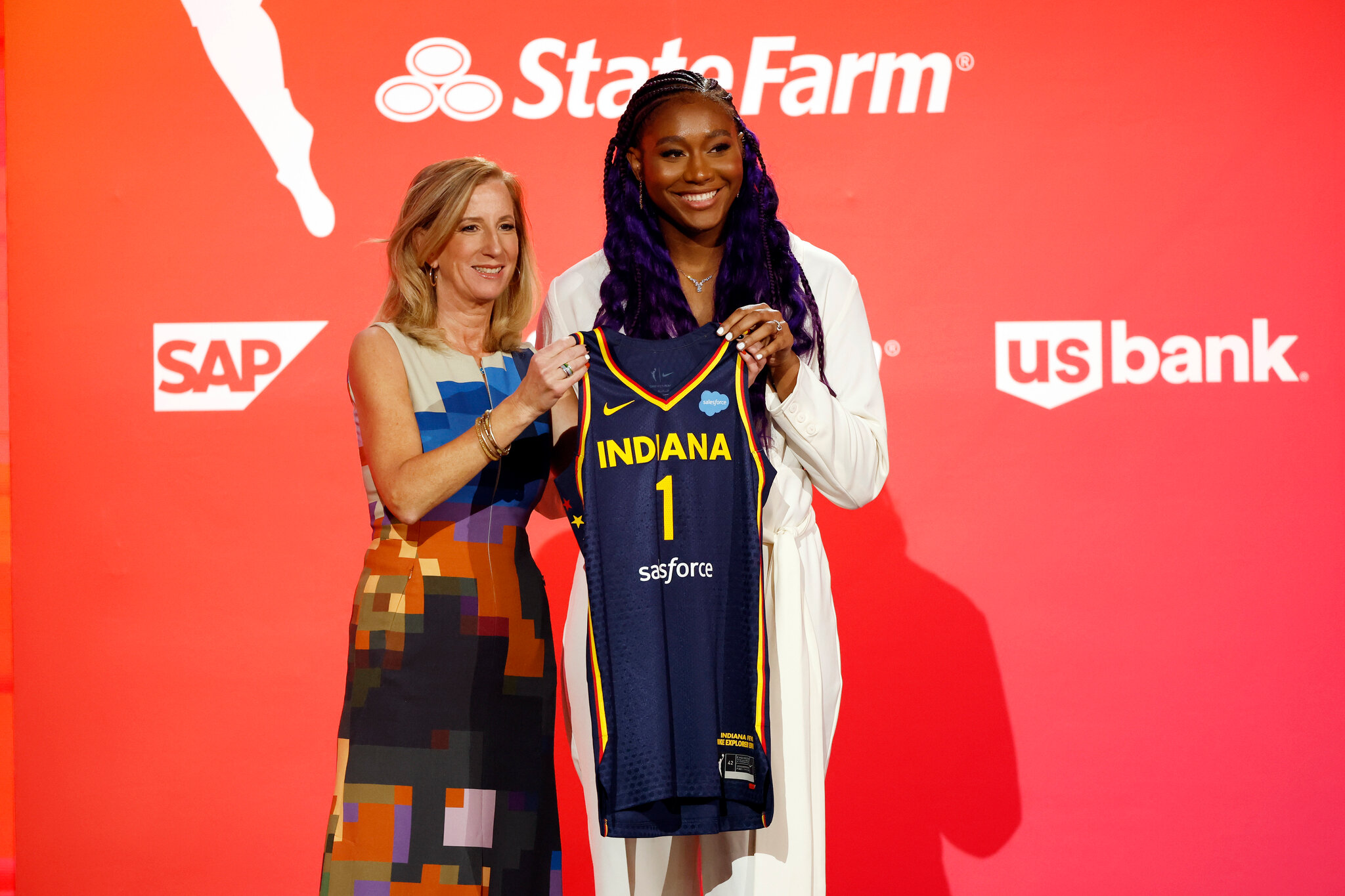
The commercial outcomes speak volumes. Caitlin Clark’s arrival in Indiana has catalyzed tangible business returns, including a measurable uplift in brand value for Gainbridge—the Fever’s arena naming rights partner. Even more telling: pharmaceutical giant Eli Lilly is reportedly investing three times more in the Fever than it is in the NBA’s Indiana Pacers.
This isn’t just a player-driven revolution; it’s a restructuring of how sponsors assess value in sport.
New Markets, New Money: Why Brands Are Choosing the WNBA First
SponsorUnited’s data reveals that a notable share of sponsors are entering sport for the first time via the WNBA, skipping traditional men’s leagues altogether.
Take Partake Foods, for example—a Black woman-founded snack brand that became the WNBA’s first rotating jersey badge sponsor with the Phoenix Mercury. Or Lendistry, a minority-led fintech firm that partnered with the LA Sparks to support women-owned small businesses through tailored community campaigns.
These are not opportunistic plays. They represent a broader trend: purpose-driven brands aligning with leagues that reflect their values and offer underleveraged yet high-visibility platforms.
Golden State Valkyries: Expansion, Elevated
In one of the boldest moves in recent sports expansion history, the WNBA’s newest franchise, the Golden State Valkyries, debuted with a staggering $500 million valuation—already the most valuable in the league.
This meteoric rise has been made possible by a confluence of factors: a 170% spike in ESPN viewership, a 600% rise in merchandise sales, and attendances growing by nearly 50%. The Valkyries’ branding, community anchoring, and Bay Area presence are being positioned as a blueprint for expansion-era excellence.
Sponsorship Economics: A League in Financial Ascent
Last season, WNBA teams collectively attracted $76 million in sponsorship income from 450 brands across 531 deals. On average, each team holds 44 active partnerships, with Phoenix Mercury ($6.3M), Las Vegas Aces ($6.1M), and Indiana Fever ($6.1M) leading the revenue charts.
Notably, financial services were the top-performing sector, eclipsing traditional sponsorship verticals like retail and insurance. However, categories such as gaming, automotive, and tech remain surprisingly underrepresented. For instance, only 58% of franchises have entered the gaming space, despite average deal sizes exceeding $500,000—highlighting a clear opportunity for future monetization.
Final Word: The WNBA as a Strategic Entry Point
The growth of the WNBA isn’t just about basketball—it’s about business model evolution. For brands, the league is fast becoming the most strategically sound entry point into U.S. sports: high-engagement athletes, mission-aligned narratives, expanding media visibility, and underserved commercial categories.
As the WNBA prepares for further expansion, with more teams likely on the horizon and player-driven ecosystems growing in value, the league’s next chapter may not be written by broadcasters or ownership groups—but by the brands that see beyond tradition and invest early.
At 365247 Media, we believe the WNBA is not a “next big thing”—it’s already here. The question for the sports business world is no longer if you should engage—but how fast you can.
Partner With Us
Want to feature your brand, business, or service on 365247 — Whether you’re looking to sponsor, collaborate, or build presence within our ecosystem, we’d love to explore it with you.
Submit Your Interest Here
IMAGE: Getty Images