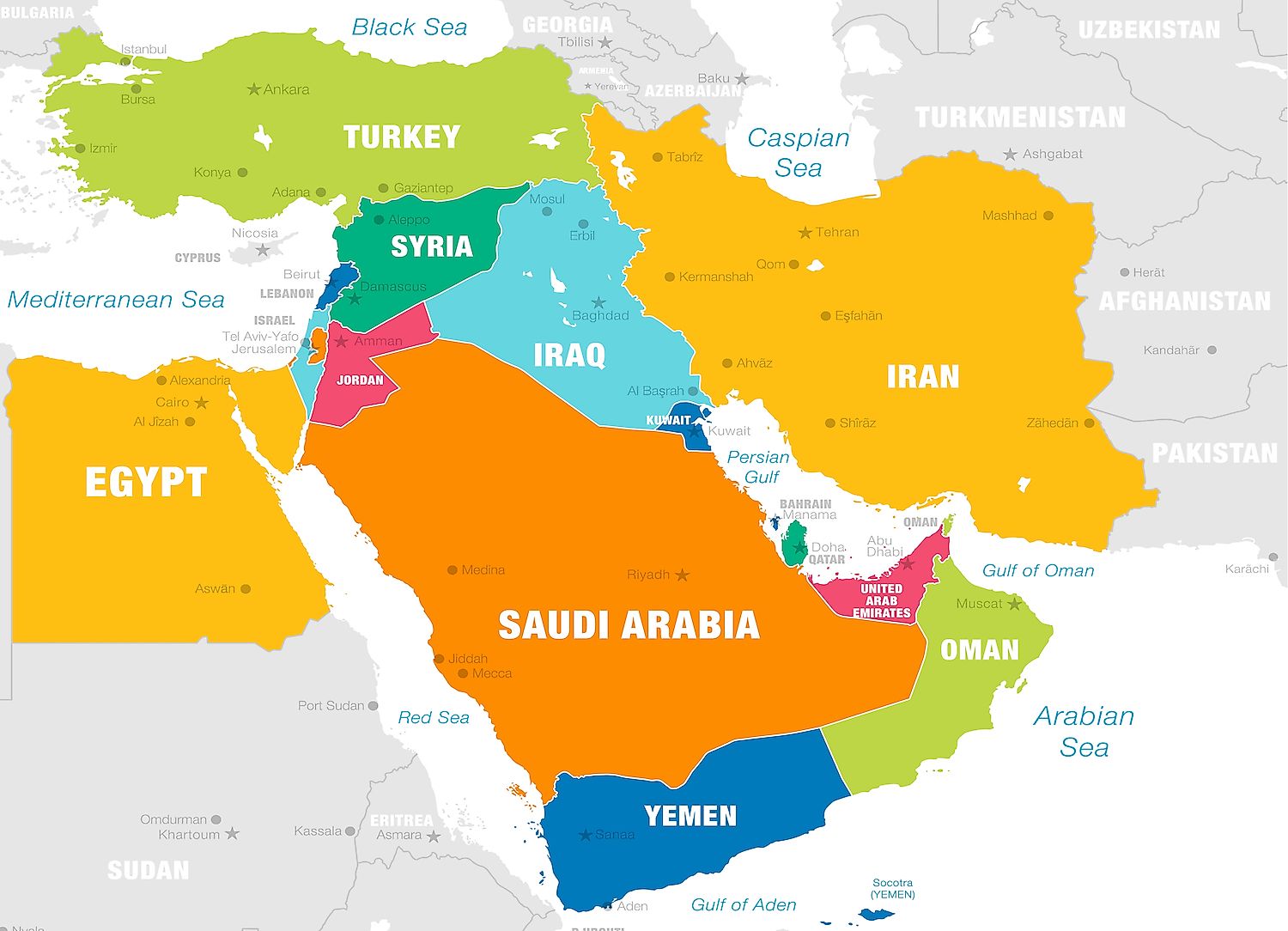
While much of the world’s energy landscape wrestles with policy drift, inflationary pressure, and labour scarcity, the Middle East is rapidly emerging as the global epicenter of forward-looking energy expansion.
According to the latest findings from the Energy Industries Council (EIC), 2024 has been a landmark year for the region. Over 90% of energy companies operating in the Middle East reported growth, the highest among all global regions. Notably, the region posted an average company growth rate of 68%, compared to just 20% in the Americas, and 8% in Asia Pacific.
This isn’t coincidence — it’s consequence. The Middle East’s consistent policy clarity, low-cost business environment, and aggressive energy diversification strategy have transformed it into a gravitational hub for global capital, supply chains, and skilled talent.
A Pragmatic Approach to Energy
Rather than framing renewables and hydrocarbons as mutually exclusive, regional governments are investing across the full energy spectrum. Oil and gas remain dominant — with 90% of surveyed firms still anchored to hydrocarbon value chains — but investments in renewables, hydrogen, and clean tech are scaling fast.
This “all-of-the-above” approach, led by energy giants in the UAE and Saudi Arabia, positions the Middle East not just as a supplier of conventional energy but as a future-ready ecosystem embracing:
- AI-powered logistics and smart infrastructure
- Hydrogen hubs and carbon capture
- Digitized ports and automated freight corridors
The goal is not only to remain energy-relevant but to lead the next energy paradigm.
Why Businesses Are Relocating Operations to the Gulf
In today’s mobile supply chain world, companies are no longer tied to legacy geographies. For global energy firms seeking stable returns and strong government support, the Middle East is now outperforming North America, Europe, and Asia. Strategic relocation is underway — and not just for cost efficiency, but to access mega-projects, local incentives, and world-class infrastructure.
Yet, this rapid acceleration is not without complexity.
Structural Challenges That Need Addressing
- Fragmented Local Content Regulations: While national in-country value (ICV) programs are designed to stimulate local participation, each GCC nation’s unique framework creates regulatory inefficiencies for regional operators. A harmonized GCC-wide content framework would unlock cross-border synergies.
- Workforce Localisation: The ambition to upskill and employ local talent is strong, but practical support mechanisms remain inconsistent. Companies are seeking clearer guidelines to align hiring strategies with localisation quotas.
- Trade and Logistics Infrastructure: As investment soars, infrastructure stress is rising. Industry leaders are calling for dedicated logistics parks, regional freight corridors, and port digitization to improve throughput and resilience.
Despite these hurdles, executive sentiment remains bullish. With a blend of strategic patience and execution velocity, the Middle East has proven it can scale energy production, future-proof its infrastructure, and attract world-class partners — all while staying ahead of geopolitical and macroeconomic risks.
IMAGE: Shutterstock