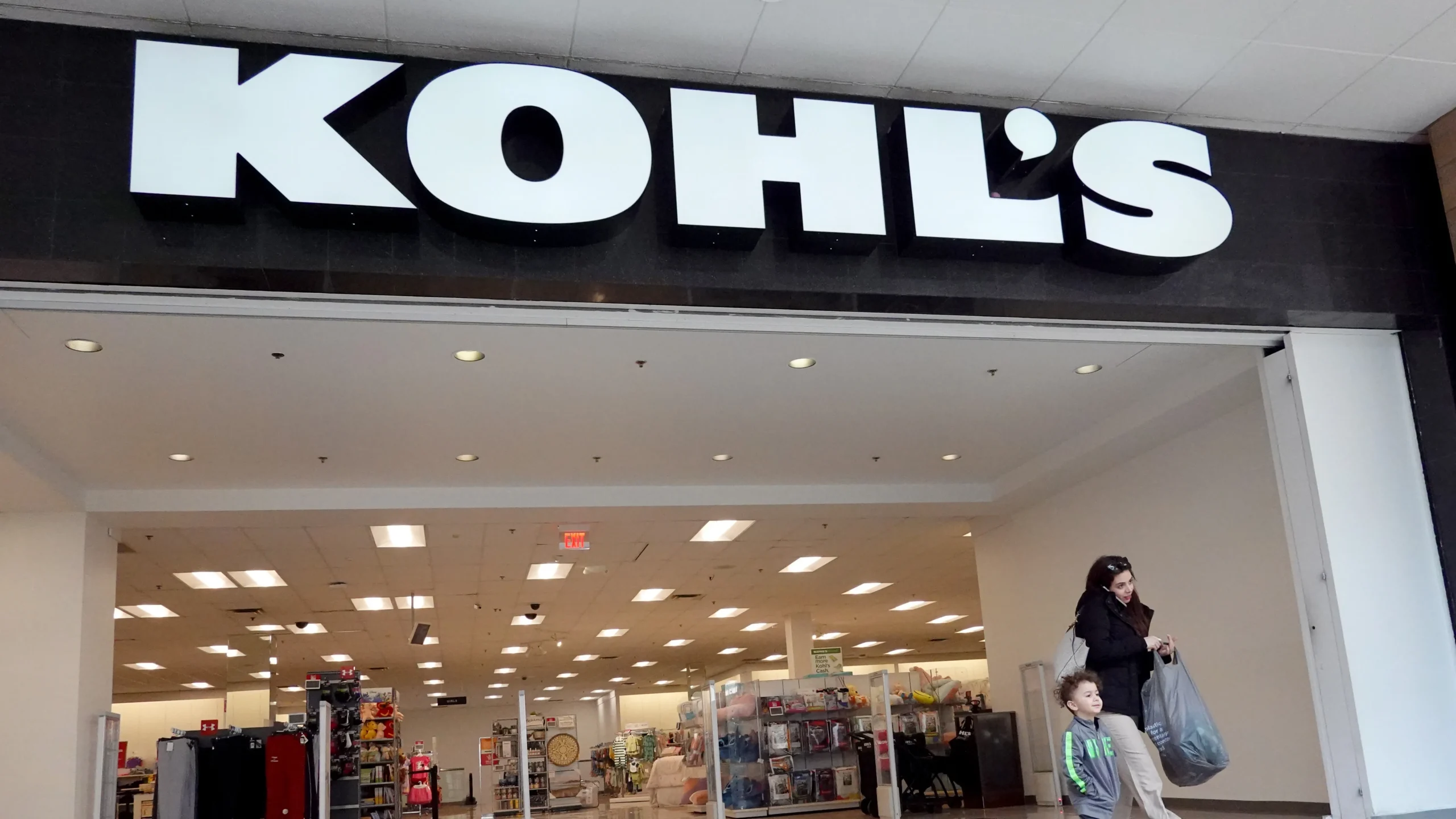
On a volatile Tuesday, Kohl’s stock surged nearly 38% — not due to new leadership, breakthrough innovation, or a sharp earnings reversal. Instead, the rally was powered by retail investor enthusiasm, echoing the familiar — and risky — return of meme stock mania.
Kohl’s, a retail giant navigating sluggish sales and internal disruption, is now the latest to join a growing list of “battleground stocks” caught in the emotional tug-of-war between short-sellers and online trading communities.
Once again, platforms like Reddit’s WallStreetBets are proving their ability to move markets not with data, but with narrative — driving significant price movements through coordinated optimism and viral investment theses.
Behind the Buzz: A Business Under Strain
Kohl’s recently reported a $15 million loss in its fiscal first quarter and a 4% drop in year-over-year sales. The brand, with over 1,100 stores nationwide, is under pressure to remain relevant to budget-conscious shoppers as inflation and competition erode its traditional base.
Leadership turbulence hasn’t helped either. In May, the company dismissed former CEO Ashley Buchanan following an internal probe that revealed a breach of conflict-of-interest policies — a distraction at a time when decisive turnaround strategy is sorely needed.
Despite this, the stock soared — not because of improving fundamentals, but because digital trading communities identified it as the next speculative play.
This Isn’t Investing. It’s Tactical Sentiment Warfare.
As Ihor Dusaniwsky of S3 Partners puts it, these are “tactical war zones,” where sentiment swings — not balance sheets — dictate momentum. Just a spark of unallocated capital can ignite a retail stampede, driving massive short-term spikes.
And Kohl’s isn’t alone.
Opendoor Technologies and GoPro are also seeing renewed speculative attention. A single post from hedge fund manager Eric Jackson was enough to trigger a frenzy in Opendoor’s shares, suggesting it could skyrocket 100x based on projected revenue and a hopeful valuation multiple.
But while the numbers may sound tantalizing, the logic hinges on a return to market conditions not seen since the speculative peaks of 2021.
What’s Really at Stake?
For professional investors and brands alike, the re-emergence of meme stocks signals a deeper volatility in the market. Some analysts see these frenzies as potential red flags, indicators that investor exuberance could be outpacing rationality — especially as major indexes sit near record highs.
Adam Crisafulli of Vital Knowledge cautioned that such “froth” often precedes market corrections, noting that while corporate profits are holding up, speculative sentiment may be overextending.
The Strategic Lens: What This Means for Business Leaders
For company executives, brand owners, and corporate strategists, there are key takeaways:
- Investor attention is not always value-driven. Sometimes it’s momentum-chasing dressed up as community enthusiasm.
- Narrative can override numbers — temporarily. But fundamentals will eventually reassert themselves.
- Retail investor power is real. But that power can be as damaging as it is helpful if misaligned with operational performance.
The next wave of meme stocks may feel like déjà vu, but the stakes are different in 2025. With inflation scars fresh and regulatory scrutiny tighter, speculative surges risk masking — rather than fixing — the deeper business challenges facing legacy brands like Kohl’s.
IMAGE: Getty Images