CREDIT: Forbes
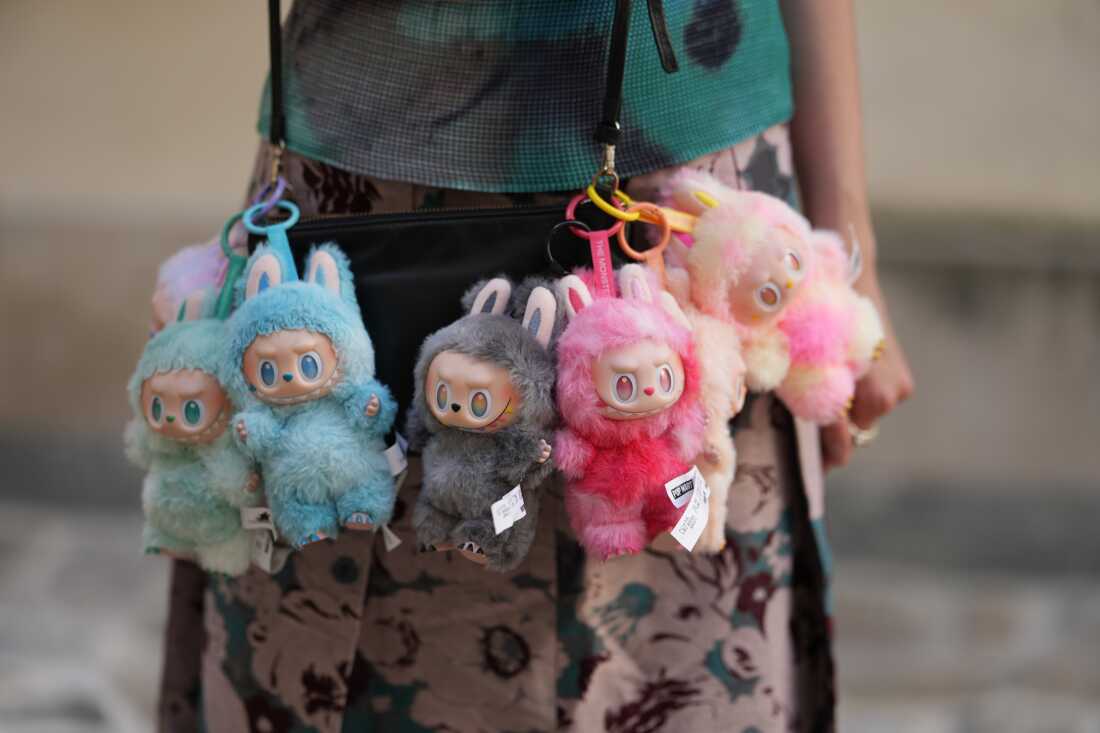
Chances are, you’ve seen Labubu before — you just didn’t know what it was.
Born from the imagination of Hong Kong artist Kasing Lung, Labubu is a collectible plush toy line featuring quirky monster-elf characters. What started as a niche designer creation has exploded into a global phenomenon — complete with feverish reselling, intense unboxing anticipation, and a devoted fan base.
But Labubu’s meteoric rise isn’t just a fun pop culture story. It’s a case study in modern brand building, viral demand creation, and the operational agility required to capitalise on it.
From Toy to Cultural Currency
Labubu’s success stems from much more than aesthetics. The brand has tapped into four powerful consumer drivers:
- Exclusivity – Limited releases create scarcity and urgency.
- Community – Owners share unboxing videos, dress their toys, and bond online.
- Nostalgia – The designs evoke childlike wonder with a twist of modern quirkiness.
- Social Status – Possession signals taste, trend-savviness, and cultural awareness.
Celebrity endorsements, viral social media content, and the emotional connection to the characters have elevated Labubu from a collectible to a statement piece in digital culture. Fans aren’t just buying toys — they’re buying membership into a shared story.
What This Means for Business Leaders
Labubu is a reminder that products can go viral overnight — and when they do, companies either ride the wave or get crushed by it.
The key challenge? Operational readiness. A brand’s ability to scale in response to sudden spikes in demand now depends on:
- Real-time demand sensing using AI and predictive analytics.
- Dynamic supply chain planning to adjust production, shipping, and stock priorities instantly.
- Agile marketing that pivots from product push to community amplification.
The Supply Chain Lesson
As noted in Forbes’ analysis — the difference between capitalising on a viral moment and missing it often comes down to supply chain agility. Outdated tools slow reaction times, while AI-powered forecasting can detect trend surges, assess resource constraints, and recommend rapid adjustments.
When demand spikes, the decision-making window is small. Whether it’s accelerating production, rerouting shipments, or reallocating existing stock, businesses need systems that make these choices in hours — not weeks.
The Long Game
Viral moments fade. But for companies that respond effectively, they can become long-term growth engines. The lesson from Labubu is clear:
- Build products with emotional resonance.
- Invest in infrastructure that thrives on speed and flexibility.
- View community as a core asset, not a marketing afterthought.
A sudden wave of demand is no longer an exception — it’s a defining feature of the modern market. The brands that win are those that are both culturally in tune and operationally prepared.
Partner With Us
Want to feature your brand, business, or service on 365247 — Whether you’re looking to sponsor, collaborate, or build presence within our ecosystem, we’d love to explore it with you.
Submit your Interest Here
IMAGE: Getty Images