In the evolving sports ecosystem, The Icon League stands out as a bold experiment: a compact, high-octane, creator-driven indoor football format that blends sport, entertainment, and digital culture. Co-founded by Toni Kroos and streamer Elias Nerlich, this 5-a-side “sportainment” league seeks to capture a fractured audience with a hybrid formula—part competition, part show.
Here we explore what The Icon League is, why it resonates (especially with Gen Z), whether it points to the future of sports, and what traditional leagues can learn from it.
What is The Icon League?
- Format & rules
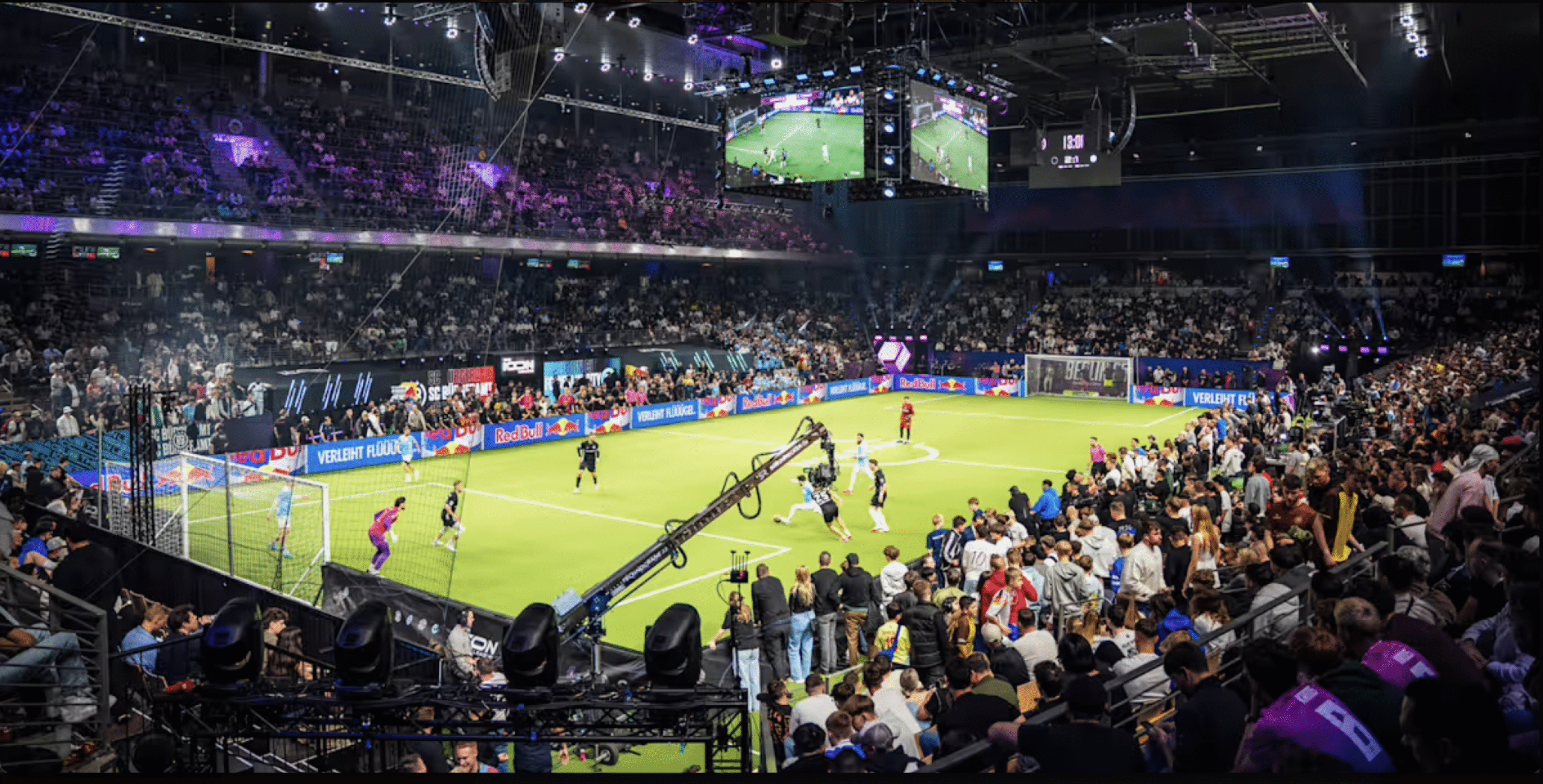
Matches are played indoors, 5 vs 5, with sidelines (“bande”) and no offside rule.
Games are short—two halves, each around 12 minutes—designed for pace and intensity.
Randomized effects and “Rulebreaker”-style rule twists can intervene mid-game to shift momentum (e.g. a 20-second shot clock, doubled goal values)
Teams are backed by prominent figures—football legends, creators, influencers—creating crossover appeal.
Matches are streamed live on digital platforms (not traditional broadcast) such as Twitch and Pluto TV, often with commentary from creators. - Audience traction & metrics
On its debut, The Icon League drew over 213,000 peak concurrent viewers and over 1.16 million hours of viewing.
Its digital-first design allows for direct audience measurement, content repackaging (highlights, clips), and deeper engagement models.
Equity-backed and creator-centric ownership ensures buy-in from creators and influencers.
Why Leagues Like The Icon League Work (and Hook Gen Z)?
New “sportainment” leagues aren’t just novelties—they tap into systemic shifts in how sports are consumed, especially by younger audiences.
1. Short, action-packed formats align with modern attention spans
Gen Z is less likely to sit through full-length broadcasts; they prefer bite-sized, fast, dramatic content.
By structuring matches into compressed, high-frequency segments with forced excitement, these leagues generate moments rather than long stretches of build-up.
2. Rule evolution and unpredictability = emotional engagement
Adding “twists” (random rules, power-ups, game-altering mechanics) injects surprise and tension; viewers don’t know exactly what to expect. This unpredictability increases social sharing, conversation, and retention.
3. Creators, influencers and narrative-driven fandom
These leagues marry sport with digital personalities. Fans follow not just the match but the persona behind the team—streamers, creators, ex-players. This personal brand tie-in matters immensely to Gen Z, who values authenticity and parasocial connections.
The storytelling—behind the scenes, strategic choices, banter, rifts—becomes part of the appeal, not just the final score.
4. Designed for digital-first, multi-platform distribution
Because the league is not tied to legacy TV contracts, every touchpoint (stream, clip, short, highlights) is optimized for mobile and social. Repurposing content across vertical videos, behind-the-scenes clips, interactive polls—all amplify reach.
This digitally native architecture gives control over fan data, monetization flows, and engagement loops.
5. Creating community and belonging beyond teams
Fans are less attached to hometown teams today; they gravitate toward communities that reflect their identity, values, and shared culture. Emerging leagues build micro-communities around creators or league identity, not geography.
In other words: you don’t just support a team, you belong to a movement or a narrative.
6. Lower structural overhead and agile iteration
These leagues can experiment, pivot, and evolve faster than traditional leagues bound by legacy governance, broadcasting contracts, and infrastructure constraints. They can test new rules, formats, and models without dismantling an entire system.
Is This the Future? What Traditional Leagues Can Learn
The rise of The Icon League—and its peers like Kings League, Baller League, and other creator-centric formats—suggests that sportainment is not a fad but a catalyst for transformation. But will it replace conventional leagues? Probably not wholesale—but it will influence them deeply.
Lessons & Strategic Suggestions
- Hybrid content-first design Broadcasts should be structured for multiplatform repackaging from day one—match clips, “moments,” behind-the-scenes slices—not as afterthoughts but built into the production workflow.
- Talent as creators—not just athletes Use your talent for storytelling and community building
- Leverage micro-communities, fandom segments & subbrands Rather than pursuing reach only, invest in niche fandoms (style, lifestyle, culture) linked to teams and athletes. Let sub-brands and verticals emerge (e.g. fashion, gaming, music tie-ins).
- Modular, agile competition formats Create shorter, interleague cups or exhibition tournaments using compressed formats (5-a-side, indoor, nighttime events) that test new fan models and serve as innovation showcases.
- Data ownership & audience feedback loops Traditional leagues must more aggressively capture first-party fan data, feed real-time feedback loops (polls, votes, co-creation) and use it to shape scheduling, presentation, and fan perks.
- Cooperation with creators, not competition Bring in creators, influencers, and fan voices into the league infrastructure—co-streaming, commentary, fan-driven rules, and hybrid presentations. Position broadcasters and leagues as partners, not gatekeepers.
- Culture and values matter Gen Z cares about equity, diversity, sustainable practices. Leagues that align with social causes authentically will gain resonance. Tokenism won’t suffice—it has to be built into governance, narrative, and operations.
Why These Leagues Are Here to Stay & Where You Could Play
From a consultancy lens, The Icon League is more than an experiment—it is a testbed for how sports, media, entertainment, and fandom converge in the digital epoch. It demonstrates:
- That attention, not just access, is the scarce resource. You have to design for attention from the ground up.
- That experimenting with format is the new edge of competition: rule agility is a differentiator.
- That creator ecosystems are essential in the attention economy. Leagues become platforms, not just competitions.
- That fan feedback loops and modular engagement are now core, not optional.
- That zero-based models (i.e. no legacy costs) allow you to leapfrog incumbents in certain segments.
If you are running, designing, or investing in a league or sports property, here are ways you might engage, in practice:
- Prototype micro-leagues inside your system to test new mechanics, start small, measure response.
- Form creator partnerships early, giving them stake and voice in how your product evolves.
- Audition new formats in untapped markets (e.g. emerging geographies, indoor venues, digital-only versions) to validate cross-border appeal.
- Design metrics beyond viewership—engagement, clip shares, creator revenue, sentiment, retention per fan cohort.
- Maintain optionality: don’t burn legacy systems early; gradually migrate formats that work, while preserving core integrity.
In short: The Icon League and its peers aren’t anomalies—they’re harbingers. The real question is whether incumbents will adapt, integrate, and co-opt these innovations—or be disrupted by them.
If you are leading a sports league, content platform, or media property—and you’re intrigued by how The Icon League is reshaping fan engagement—let’s talk. We can explore how to pilot similar formats, test new rules, build creator ecosystems, and reimagine your competitive product for Gen Z. Reach out, and let’s write your next chapter together.
For Brands, Businesses and Services, feature in our posts
IMAGE: Red Bull