Boxing’s traditional pay-per-view (PPV) model is now facing its most serious threat yet — and it’s coming from the intersection of Saudi ambition, DAZN’s recalibration, and a broader shift toward subscription-based sports consumption.
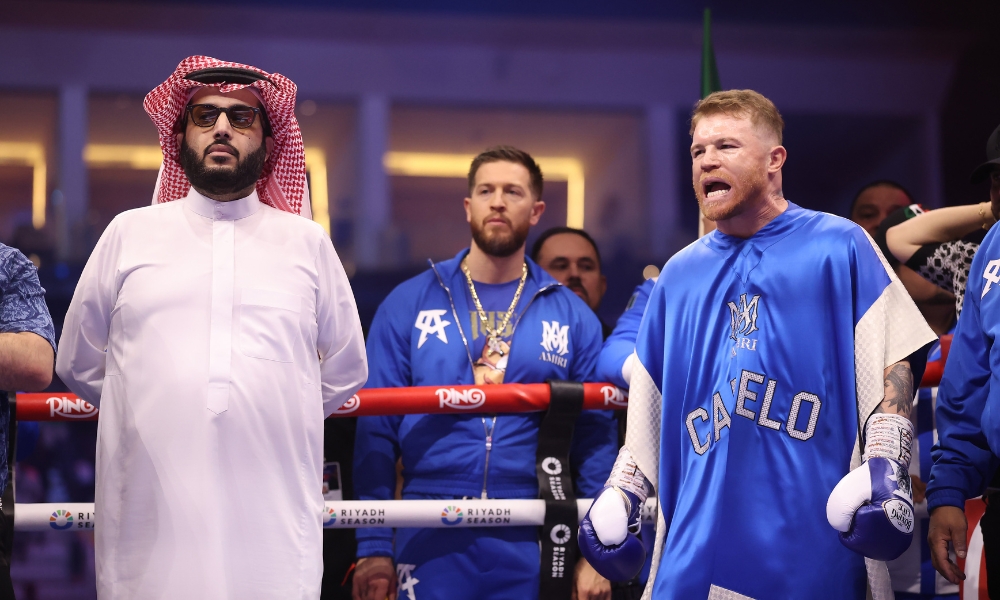
In a bold and symbolic move, DAZN has confirmed it will no longer offer fights promoted by Riyadh Season and The Ring magazine on a PPV basis. The shift is backed by Turki Alalshikh, Chairman of Saudi Arabia’s General Entertainment Authority (GEA) and owner of The Ring. The stated reason? A clear rejection of the PPV system’s long-term viability.
“The PPV model has damaged boxing,” Alalshikh posted on X. “We are with the fight fans.”
A Strategic Pivot Just Before a Landmark Fight
The announcement arrives just ahead of a major global event — Oleksandr Usyk vs Daniel Dubois at Wembley Stadium — which is being billed as one of the year’s most anticipated heavyweight bouts. Notably, this clash, still part of the PPV slate, is priced at nearly $60 in the U.S. and approximately £25 in the U.K.
But this will be one of the last.
The final PPV card under the Riyadh Season banner is set for August 16th in Riyadh, headlined by Moses Itauma vs Dillian Whyte, and aligned with the broader cultural push around the Esports World Cup.
From November 2025, fans will no longer be required to pay one-off PPV fees for these marquee fights — a major shift in how boxing’s biggest events are packaged and monetized.
A New Layer to Subscription: Introducing “The Ring Pass”
While DAZN is exiting the PPV business for Riyadh Season fights, it isn’t absorbing them into its standard subscription tier either. Instead, the company is launching an add-on called The Ring Pass — a standalone monthly subscription powered by Riyadh Season and The Ring.
This product will offer full access to Saudi-backed fight nights and premium boxing cards — effectively repositioning what used to be PPV content as part of a premium but predictable subscriber experience.
“The aim is to make boxing easier to access, simpler to follow, and better value for fans,” DAZN noted in its official statement.
Pricing details for The Ring Pass are not yet confirmed, but expectations suggest it will sit well below traditional PPV pricing and offer multiple tiers — signaling a possible “Spotify-style” approach to premium fight content.
The Bigger Picture: Boxing’s Business Model Is Shifting
This move is about more than just affordability or fan convenience. It represents a commercial power play.
For years, PPV has been central to boxing’s revenue ecosystem — but it has also alienated younger fans and pushed many toward illegal streaming due to sky-high prices, especially in the U.S. where headline events can cost $80–$100.
Saudi Arabia is now betting that a hybrid subscription model can both scale faster and offer greater long-term value:
- DAZN benefits by growing and retaining a more predictable subscriber base.
- Fans get regular access to elite-level boxing without painful one-off charges.
- Saudi Arabia deepens its cultural influence in global sport, positioning itself as the new epicenter of elite boxing.
In Alalshikh’s view, this is a “win-win” for all parties — and perhaps a death knell for boxing’s outdated PPV structure.
What It Means: Boxing Is Becoming a Platform Economy
If this experiment works, it may not just disrupt PPV — it could reshape how combat sports are monetized altogether. Traditional broadcasters will be forced to rethink their economics: lower PPV costs, abandon it altogether, or align with platform-first partners like DAZN and Saudi Arabia.
This isn’t just a tech or media shift. It’s a philosophical change in how value is delivered, audiences are engaged, and power is distributed.
Boxing’s future, increasingly, is not about one-night-only events. It’s about ecosystems.
And in that future, Saudi Arabia is not just a host — it’s an architect.
365247 Insight
This move reaffirms a long-term trend: sports are becoming platforms, not just content. Fans are no longer casual viewers — they are subscribers, stakeholders, and participants in a year-round engagement cycle. The question isn’t whether the PPV model survives. It’s how quickly the rest of the industry adapts to its obsolescence.
IMAGE: Getty Images