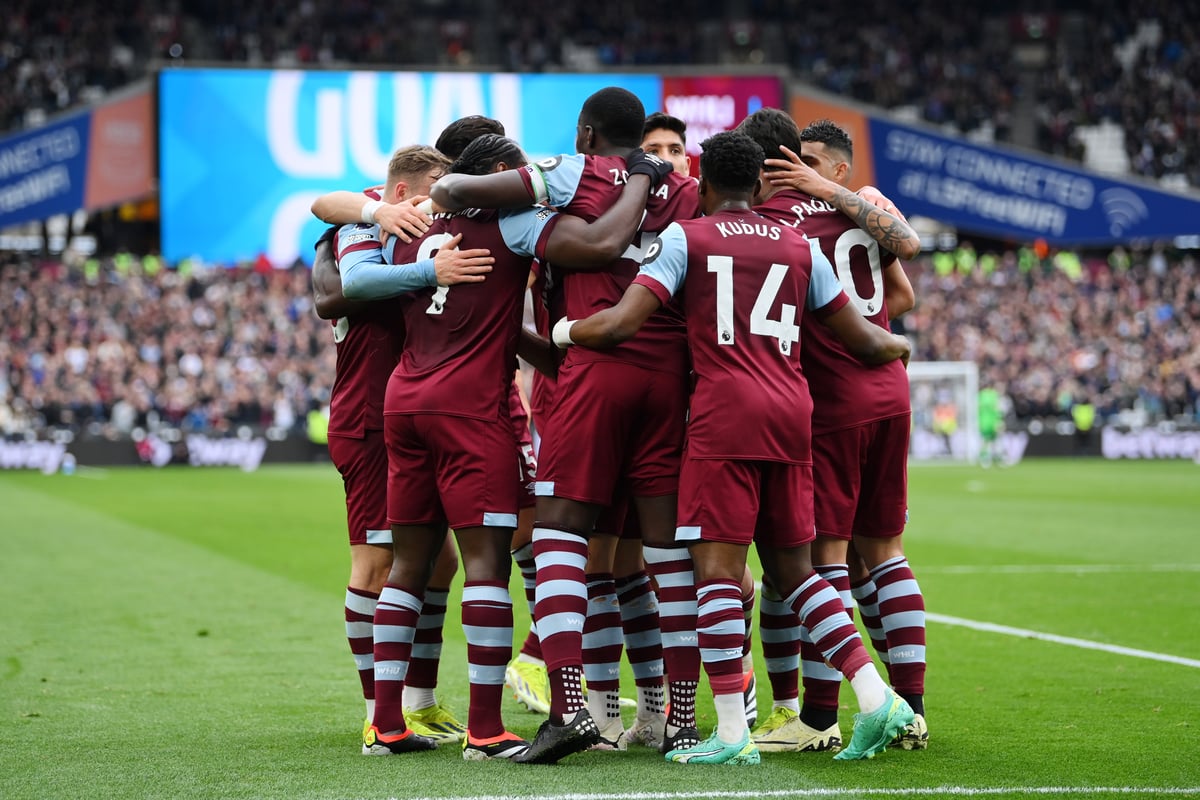
Credit: The Football Week
When Trent Alexander-Arnold officially joined Real Madrid, it marked the end of one of football’s most transparent transfer sagas. Yet, the move came with an unexpected twist: Madrid reportedly paid €10 million to register him a month early — not for La Liga, not even for pre-season — but to ensure his eligibility for the Club World Cup.
A simple free transfer suddenly became a calculated short-term financial play.
This wasn’t an isolated case. Manchester City and Chelsea spent a combined £205 million ahead of the same competition. Saudi club Al-Hilal even tried to loan N’Golo Kanté specifically for the Club World Cup, despite him being contracted to rivals Al-Ittihad.
What once was dismissed as a “Mickey Mouse trophy” is now a serious strategic target. But why?
The Club World Cup: Football’s Quietest Goldmine
The new Club World Cup format is a game-changer. Expanded from 7 to 32 teams, with a prize pool rising from £15 million to a staggering £775 million ($1 billion), the tournament has created a lucrative revenue opportunity almost overnight.
- Guaranteed income: European clubs will earn between £9.9m and £29.5m simply by participating.
- Winner’s prize: The champions are expected to pocket £97m ($125m) — just shy of the UEFA Champions League’s top payout, but with nearly half the number of matches played.
For clubs operating under tight financial regulations (such as the Premier League’s Profit and Sustainability Rules), this windfall isn’t just attractive — it’s strategic. Deep runs in this tournament offer a unique financial lever that can reshape a club’s spending flexibility across multiple seasons.
Short-Term Transfers, Long-Term Gains
From Real Madrid’s early registration of Alexander-Arnold to Chelsea’s pursuit of Rayan Cherki, there’s a new pattern emerging: high-value short-term transfers with a singular goal — maximise Club World Cup competitiveness.
Why the urgency? Because the money earned is pure revenue, not tied to player sales or commercial deals.
This influx directly impacts:
- Transfer budgets
- Wage structures
- PSR/FFP compliance
Imagine Manchester City winning the tournament. That revenue could, in theory, immediately offset recent signings — unlocking further spending without needing to sell assets.
We’re now witnessing a shift in transfer strategy — not just buying for the season, but buying for seven matches that could determine the next two years of financial headroom.
From Afterthought to Centre Stage
It’s no coincidence that transfer activity is heating up in the shadow of the Club World Cup. The format has introduced a whole new tactical dimension:
- Short-term investments for immediate ROI
- Loan deals engineered for one tournament
- Contract buyouts for early participation
As financial pressures tighten across Europe, clubs are realising that a well-timed transfer — even for a few matches — could yield exponential commercial rewards.
Expect more cases like Alexander-Arnold. And don’t be surprised if elite clubs begin treating Club World Cup eligibility as the first pillar of their season’s transfer plan.