Source: Jennifer Williams, Wall Street Journal
In today’s shifting retail environment, size does matter — but not in the way it used to.
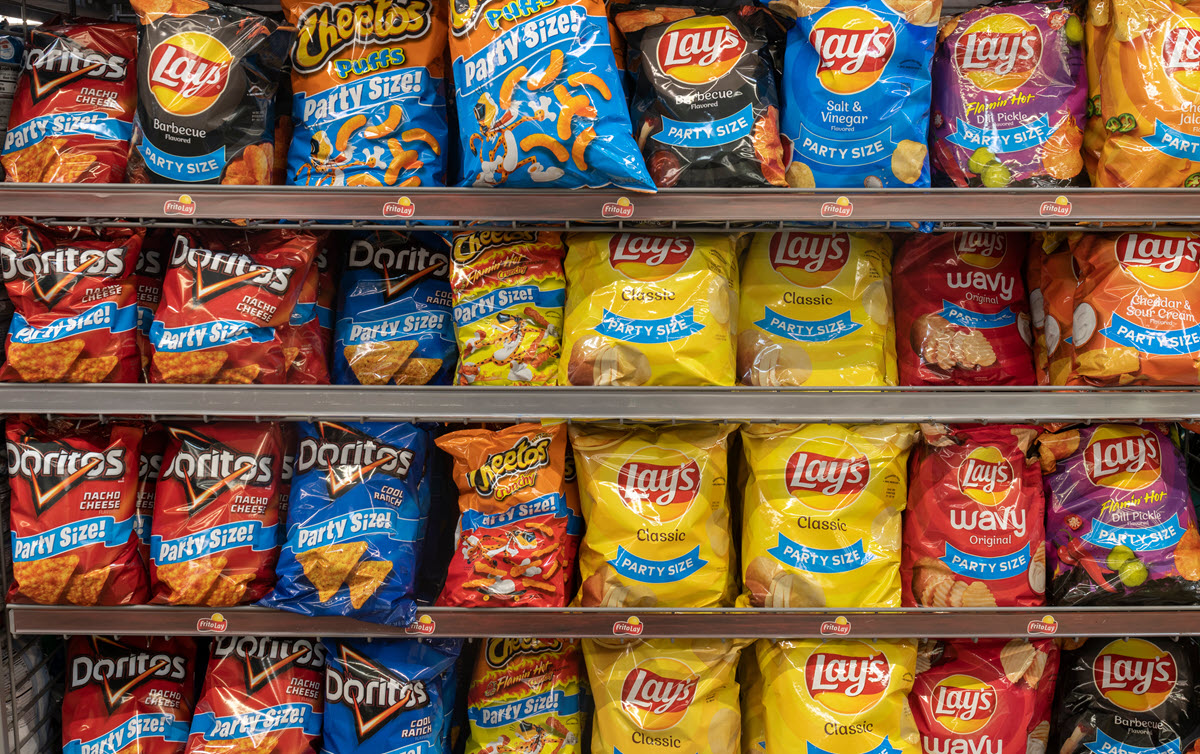
Consumer goods giants like Mondelez, Campbell’s, PepsiCo, and Diageo are increasingly betting big on small-sized products to win over price-conscious shoppers. Whether it’s single-sleeve Oreo packs, mini bags of Lay’s chips, or compact bottles of Don Julio tequila, the strategy is clear: keep consumers engaged through affordability, flexibility, and smarter pricing.
This evolution reflects a deeper market shift. While inflation has cooled, core food prices remain elevated, pushing consumers to trim spending. For brands, this creates a delicate balancing act: retain consumer loyalty without compromising profitability.
The Rationale: Smaller Sizes, Bigger Margins?
According to WSJ reporting, food and beverage makers are now offering wider product ranges with more price points, often starting below $1. And while the sticker price is smaller, many of these products carry higher margins thanks to lower quantities, optimized packaging, and improved distribution efficiency.
Mondelez, for instance, has rolled out compact $3 packs of Ritz and Oreo to strong performance. Though overall North America revenues dipped, these formats helped stabilize the snacking category. Likewise, Campbell’s 2.5oz Goldfish packs and PepsiCo’s ultra-diverse chip sizes are designed to meet the “tight budget, small indulgence” mindset now defining American grocery carts.
Market Insight: Value Engineering Meets Behavioral Economics
The modern consumer is highly aware of pricing psychology — but they still value convenience and brand familiarity. Executives point to the “onboarding effect”: small packs draw consumers in, and when disposable income increases, they move up to larger sizes. It’s a lifecycle approach to product engagement — one that works especially well in a fragmented and inflation-sensitive economy.
The change is also being echoed in surprising places. Even Costco, known for supersized value, has adapted by reducing muffin pack sizes — leading to a spike in sales. This illustrates how right-sizing isn’t just about cost-cutting; it’s about realigning with behavioral data.
The Trade-offs: Shrinkflation, Shelf Battles & Retail Realities
Of course, this strategy isn’t without risks:
- Shrinkflation perception: When consumers notice fewer chips in a bag without a meaningful price drop, the brand trust can erode.
- Retailer pushback: Grocers are already trying to reduce SKU clutter, and small-size expansions intensify the fight for shelf space.
- Cost complexity: Adding new formats can increase logistical, packaging, and production overheads — unless mitigated through smart supply chain design.
Companies like Smurfit Westrock are helping solve this through packaging innovation — enabling smaller formats without escalating costs, by reengineering boxes and materials for better stacking and shipping efficiency.
Micro-sizing isn’t a compromise — it’s a recalibration.
This isn’t just a pricing play. It’s a broader shift in FMCG strategy: adapting unit economics to align with modern consumption habits while preserving brand relevance.
For brand leaders, this means:
- Embracing modular product design that allows multiple sizes with minimal added cost
- Using small packs as entry-level loyalty funnels
- Leveraging AI-powered inventory and planogram modeling to optimize shelf real estate
In today’s snack economy, thinking small may be the biggest move you can make.
Original reporting by The Wall Street Journal – https://www.wsj.com/articles/the-battle-to-keep-consumers-means-smaller-packs-of-cookies-and-chips-744ff287