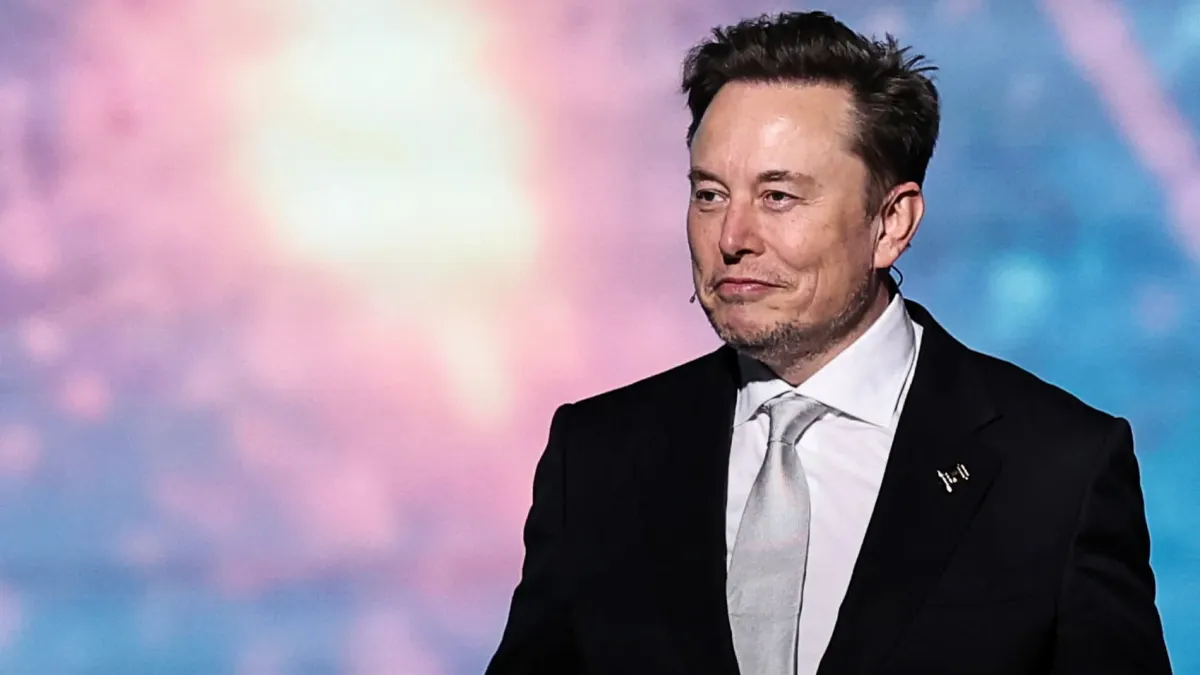
Tesla CEO Elon Musk has once again stirred markets — but this time, not with a new product or technological leap. Over the weekend, Musk announced plans to launch a new political party, dubbed the “America Party,” igniting investor unease and triggering a sharp sell-off in Tesla stock.
The announcement led to a nearly 7% drop in Tesla’s market value, wiping out over $68 billion in capitalization. This latest development underscores the mounting tension between Musk’s growing political ambitions and shareholder expectations for focus and stability at one of the world’s most valuable automakers.
Musk’s New Political Gambit
In a post on Saturday, Musk proposed that the “America Party” would aim to influence just a handful of Senate and House seats — strategically enough to tip the balance on contentious legislation. His stated goal: to ensure laws reflect “the true will of the people.”
However, the announcement landed poorly with the market. Many Tesla shareholders have grown increasingly wary of Musk’s involvement in politics — particularly after his controversial stint with the so-called Department of Government Efficiency (DOGE) earlier this year, which coincided with a period of reputational volatility for Tesla.
Musk’s departure from DOGE in May had momentarily reassured investors. His return to the political spotlight, however, suggests a renewed risk of brand distraction.
Investor Fatigue and Market Reaction
Dan Ives, Head of Tech Research at Wedbush Securities, summed up the sentiment in a note:
“Musk diving deeper into politics and now trying to take on the Beltway establishment is exactly the opposite direction Tesla investors/shareholders want him to take during this crucial period.”
While Musk retains a loyal personal following, Ives and others note a growing sense of investor exhaustion over non-core distractions — particularly at a time when Tesla faces real business headwinds.
Headwinds at Home and Abroad
Musk’s political engagement comes on the back of operational challenges at Tesla. The company reported a 14% year-on-year decline in vehicle deliveries in Q2, missing expectations. Competition from EV upstarts and established auto giants — particularly in China — is heating up, threatening Tesla’s once-dominant global positioning.
Additionally, Musk’s increasing tensions with the Biden and Trump administrations alike — especially over spending priorities and clean energy incentives — may complicate Tesla’s ability to navigate future regulatory landscapes.
Former President Trump dismissed Musk’s political ambitions as “ridiculous,” stating the Tesla boss had gone “completely off the rails.”
IMAGE: Reuters