Over the past five years, the Tata Group has engineered one of the most ambitious corporate overhauls in Indian business history — and the results are now unmistakable. The conglomerate has doubled its revenue and tripled its net profit and market capitalisation, driven by a bold, ₹5.5 lakh crore transformation strategy aimed at making the group “future fit.”
At the heart of this growth story is a decisive pivot from legacy practices to a performance-first, tech-forward business model, cutting across sectors from IT and steel to aviation, power, and consumer brands.
Group Financials Reach Historic Highs in FY25
According to the Tata Sons FY25 annual report:
- Group revenue surged to ₹15.34 lakh crore
- Net profit hit ₹1.13 lakh crore
- Market capitalisation soared to ₹37.84 lakh crore
These figures are more than just optics — they represent structural gains from strategic clarity, capital discipline, and future-focused investments.
TCS remained the group’s core earnings driver, contributing 43% of total net profit, highlighting the continued dominance of tech services in the Tata portfolio.
Tata Sons: Growth, Realignment, and Resilience
At the holding company level:
- Tata Sons’ revenue rose 24% YoY to ₹5.92 lakh crore
- Net profit declined 17% to ₹28,898 crore, primarily due to a high base effect from FY24, which included nearly ₹9,400 crore in gains from asset sales
- Despite the profit dip, the dividend payout doubled to ₹1,414.5 crore — signaling confidence and capital strength
This performance reflects a recalibration of earnings as the group consolidates for long-term value over short-term gains.
Strategic Discipline in a Volatile World
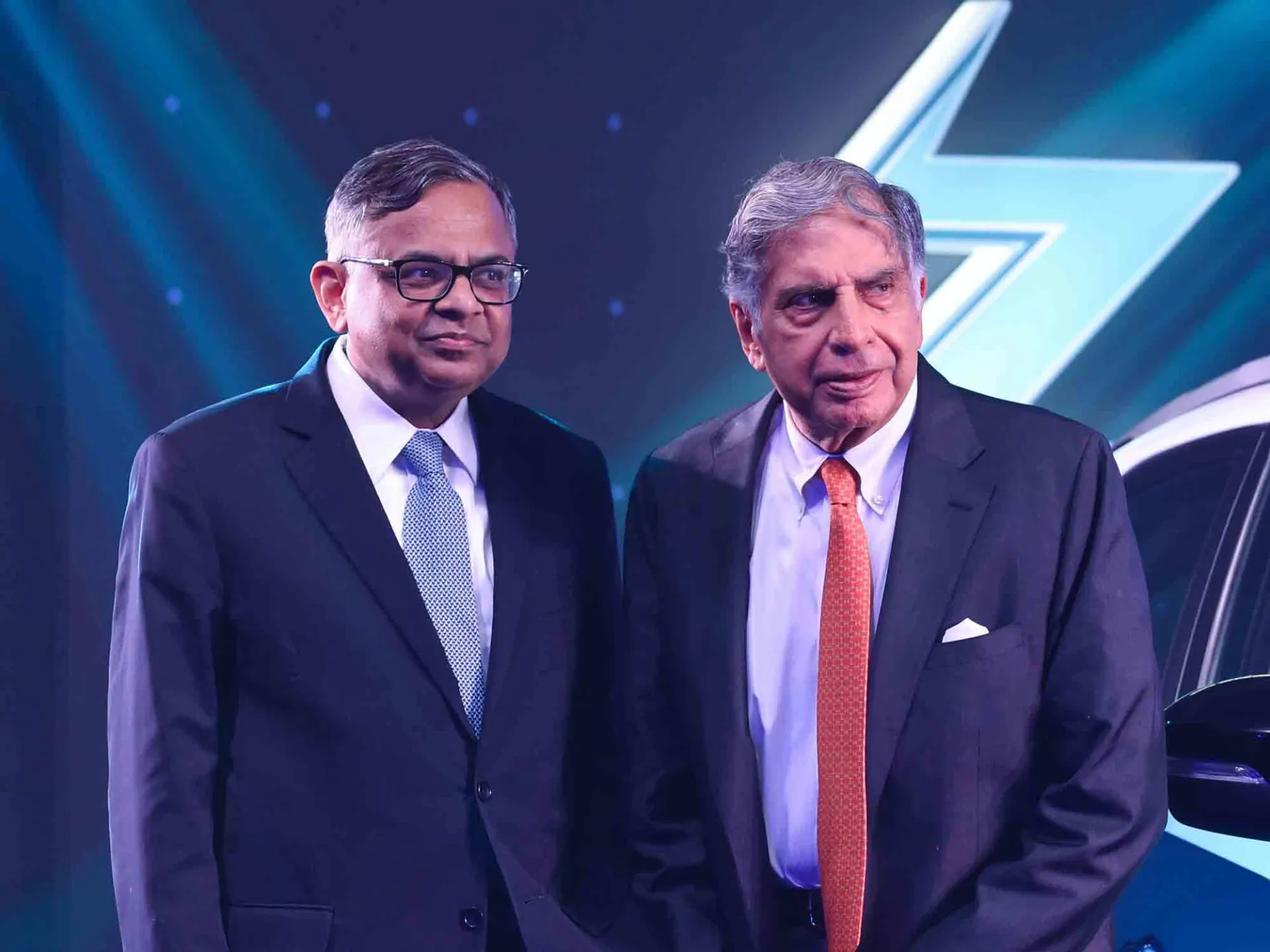
Chairman N. Chandrasekaran continues to anchor the group’s strategy on two axes:
- Core predictability through financial discipline
- Scalable innovation through bold bets in sunrise sectors
At a time when geopolitical risks and supply chain disruptions are reshaping global business, Tata Group has streamlined its portfolio while retaining vast operational breadth:
- 323 subsidiaries
- 39 associate companies
- 32 joint ventures
This expansive-yet-cohesive structure gives Tata the flexibility to play offense in growth areas while staying protected in its core verticals.
People Power: Rewarding Performance at the Top
Chandrasekaran’s total remuneration in FY25 stood at ₹155.61 crore, up 15% from the previous year — placing him among the most well-compensated CEOs in India. But this isn’t just about the number; it reflects the transformation narrative he’s driven since taking over in 2017.
The Tata Group’s ability to manage legacy businesses while scaling new frontiers — from Air India to semiconductor ambitions — has repositioned it as India’s most globally credible business group.
Partner With Us
Want to feature your brand, business, or service on 365247 — Whether you’re looking to sponsor, collaborate, or build presence within our ecosystem, we’d love to explore it with you.
Submit Your Interest Here
IMAGE: Getty Images