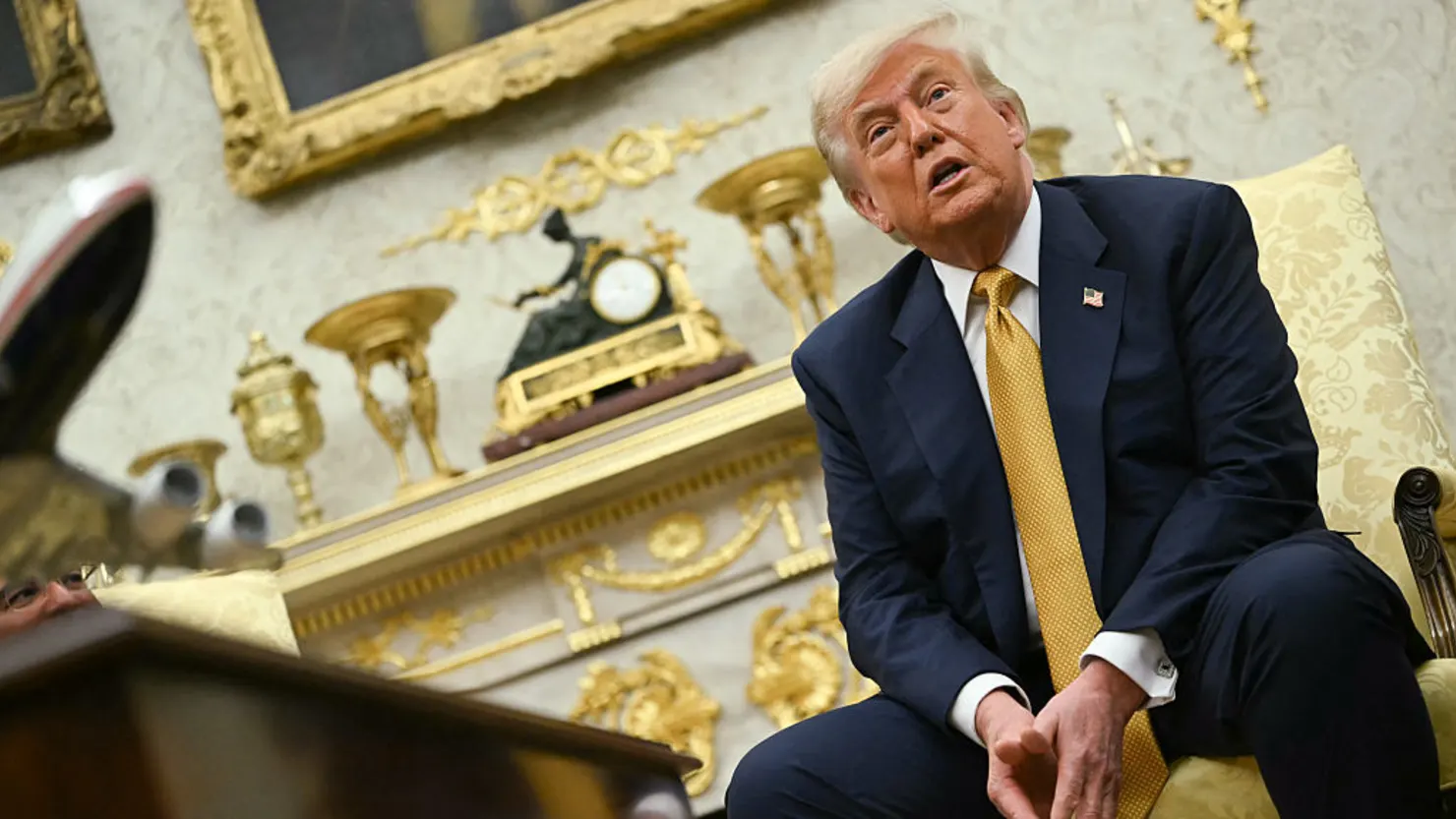
Trade relations between the United States and the European Union are once again under the spotlight, as U.S. President Donald Trump is reportedly pushing for steep tariffs—ranging from 15% to 20%—on EU imports. The aggressive move comes amid stalled negotiations over a new transatlantic trade framework, raising alarms across global markets and strategic supply chains.
Sources close to the ongoing discussions suggest that Trump’s administration has hardened its stance in recent weeks, setting an informal August 1 deadline to reach a new agreement or risk punitive measures. The sudden escalation has taken EU negotiators by surprise, especially as they were angling for a deal modeled on recent U.K.–U.S. trade terms, which maintained more modest tariff structures with select sectoral exceptions.
Beyond the Numbers: A Trade Deficit Narrative
A key point of contention remains the U.S. trade deficit in goods with the EU, which Trump has frequently cited as unfair and imbalanced. The European Union, in contrast, points to a broader context—emphasizing that when services, investments, and energy purchases are factored in, the transatlantic economic relationship is more balanced than the headline goods deficit suggests.
In fact, Brussels has already moved to increase its imports of American oil and gas in a bid to bridge the trade gap. However, those efforts appear to have done little to shift the U.S. President’s outlook, as he seeks to reshape America’s trade architecture ahead of the 2026 elections.
Strategic Stakes and Global Implications
The implications of a tariff hike extend far beyond trade flows. At stake is the stability of U.S.–EU economic cooperation, already under pressure from divergent positions on tech regulation, industrial policy, and climate strategy. For multinational businesses, a tariff escalation could trigger realignments in procurement, manufacturing, and pricing strategies—particularly in automotive, consumer goods, and machinery sectors.
Stock markets reflected the anxiety, with major indices dipping as investors braced for potential retaliatory actions and disruption to transatlantic commerce.
Geopolitics Meets Economics
This latest tariff episode underscores the increasingly blurred lines between geopolitics and economic policy. As the U.S. continues to recalibrate its global posture, trade remains one of its most visible levers. For the EU, the challenge is balancing assertiveness with diplomacy—safeguarding its economic interests without ceding too much ground.
With less than two weeks to go before the stated deadline, business leaders, policymakers, and investors will be watching closely. The question now is whether a last-minute deal can avert a new phase of tariff-driven friction—or if we’re witnessing the return of a more protectionist transatlantic era.
IMAGE: AFP/Getty Images