Credit: The Athletic
For the first time since 2017, Sunderland AFC are back in the Premier League — and the transformation both on and off the pitch has been remarkable.
Inside Black Cat House, the framed Premier League share certificate awarded to owner Kyril Louis-Dreyfus earlier this summer hangs as a symbol of the journey. It represents eight years of struggle, including the club’s fall to League One, and a long road back driven by fresh leadership, smarter decisions, and a renewed connection with supporters.
The Long Climb Back
Since taking control in February 2021, Louis-Dreyfus has overseen a rebuild that has taken Sunderland from third-tier football to the top flight in just four seasons — a year ahead of his original five-year target. The 27-year-old owner, son of the late Robert Louis-Dreyfus, has been clear from the outset: the aim is to combine ambition with sustainability.
That approach has shaped both recruitment and finances. Sunderland have prioritised young players with development potential, selling on talents such as Jobe Bellingham, Jack Clarke, and Ross Stewart for significant profits, and reinvesting shrewdly in the squad. Wage costs have been kept under control, and transfer spending has been matched to revenue growth.
Building a Club Supporters Can Believe In
Chief business officer David Bruce, a lifelong fan who returned to Wearside from a senior role at Major League Soccer, says the transformation has been as much cultural as it has been financial.
“The challenge was reconnecting the club with the community,” Bruce explains. “There was a real disconnect in 2016–17. Now, fans see this as their club again.”
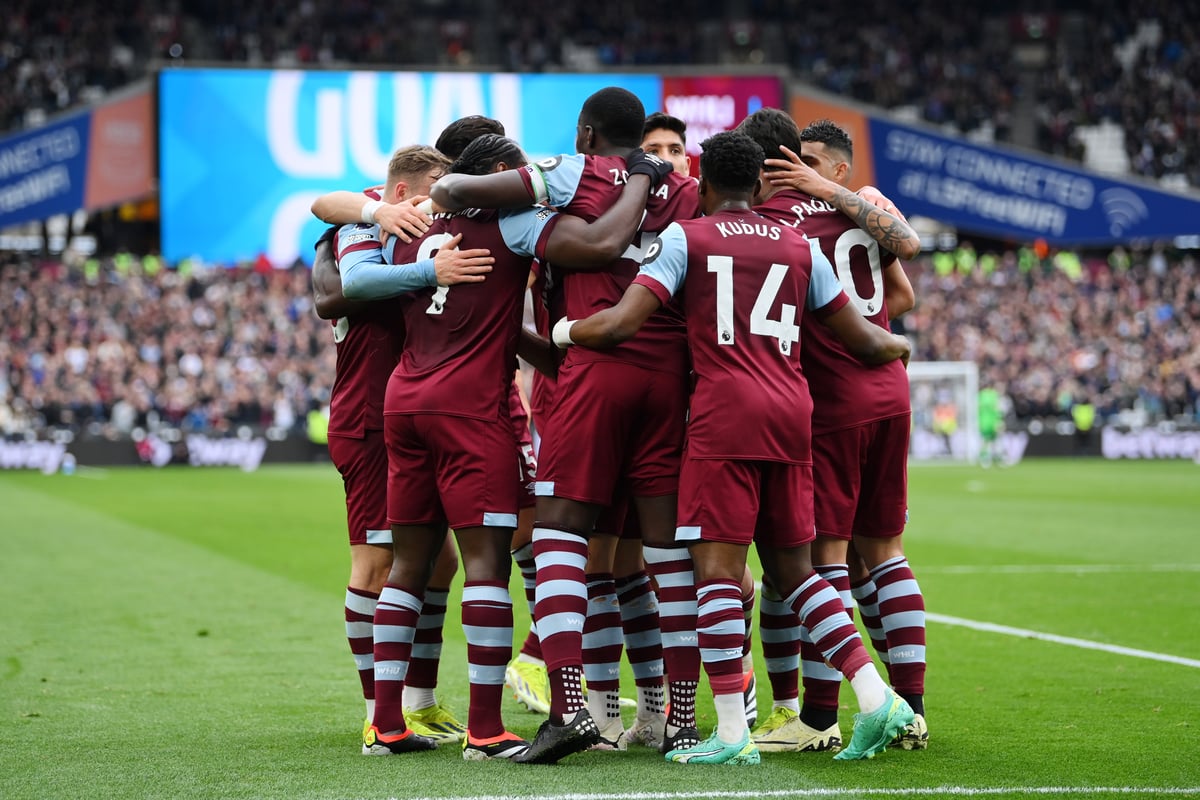
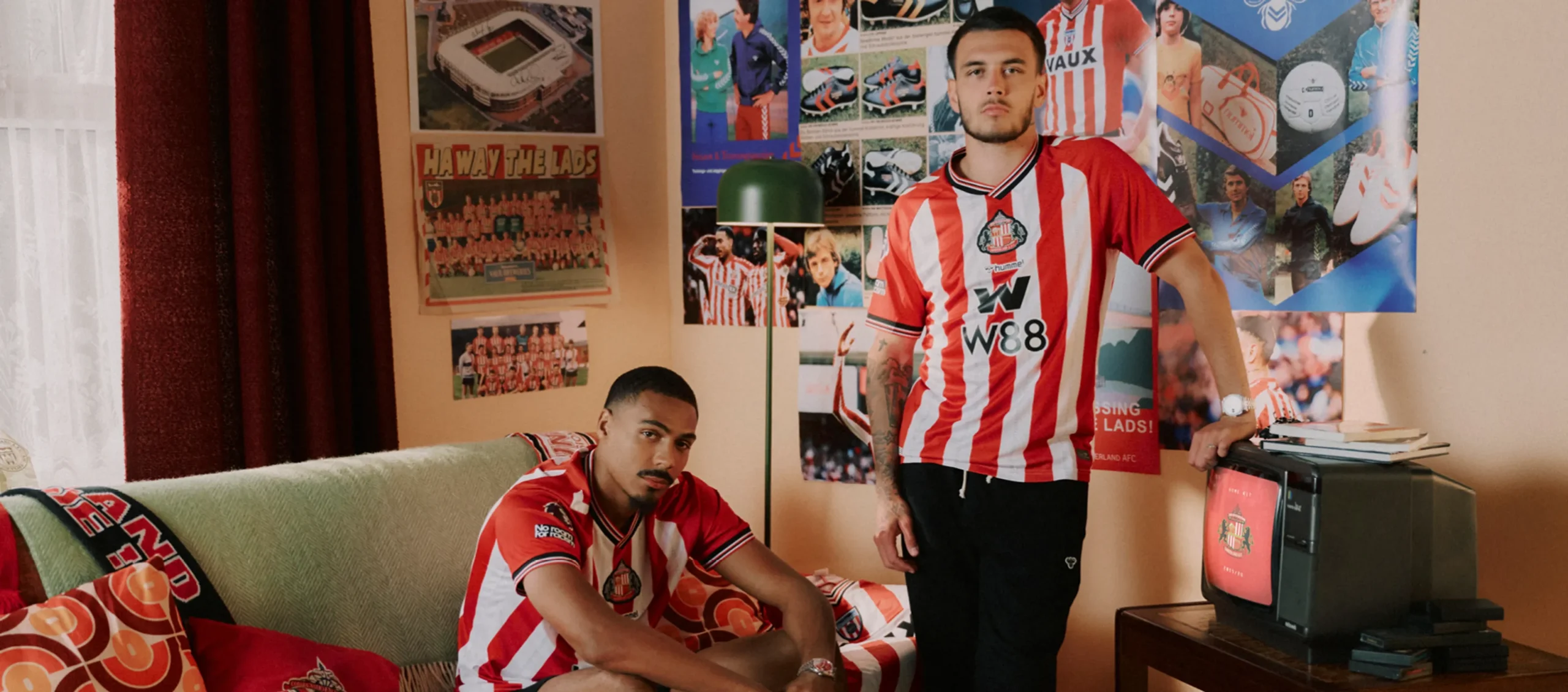
Ticket demand for the new season reflects that shift. Season cards sold out quickly, match tickets for the opening fixture against West Ham United were gone within 24 hours, and kit sales have hit record highs following the return of kit supplier Hummel.
Commercial Growth and Premier League Ambitions
Sunderland are projecting record revenues this season, with the Premier League’s broadcast share alone expected to bring in at least £110 million. Matchday and commercial income are also set to climb, boosted by partnerships, hospitality upgrades, and a growing merchandise operation that now ranks among the top 10 shirt sellers in the country.
Investment in the squad has been significant but calculated. This summer has seen club records broken for Enzo Le Fée(£19m) and Habib Diarra (£30m), while the signings of experienced internationals like Granit Xhaka signal an intent to stay in the Premier League. Net spend is currently around £85m, balanced by major player sales.
Bruce insists the club will not stray from its principles: “We spend within our means. If we grow revenues, we can invest more in football. But sustainability always comes first.”
The Road Ahead
History suggests the first season back will be challenging — the last six promoted clubs have all gone down within a year — but Sunderland believe their model gives them a fighting chance. With a clear strategy, a stable financial base, and a fanbase energised by years of hard-fought progress, the Black Cats have hope again.
Partner With Us
Want to feature your brand, business, or service on 365247 — Whether you’re looking to sponsor, collaborate, or build presence within our ecosystem, we’d love to explore it with you.
Submit your Interest Here
IMAGE: Sunderland AFC