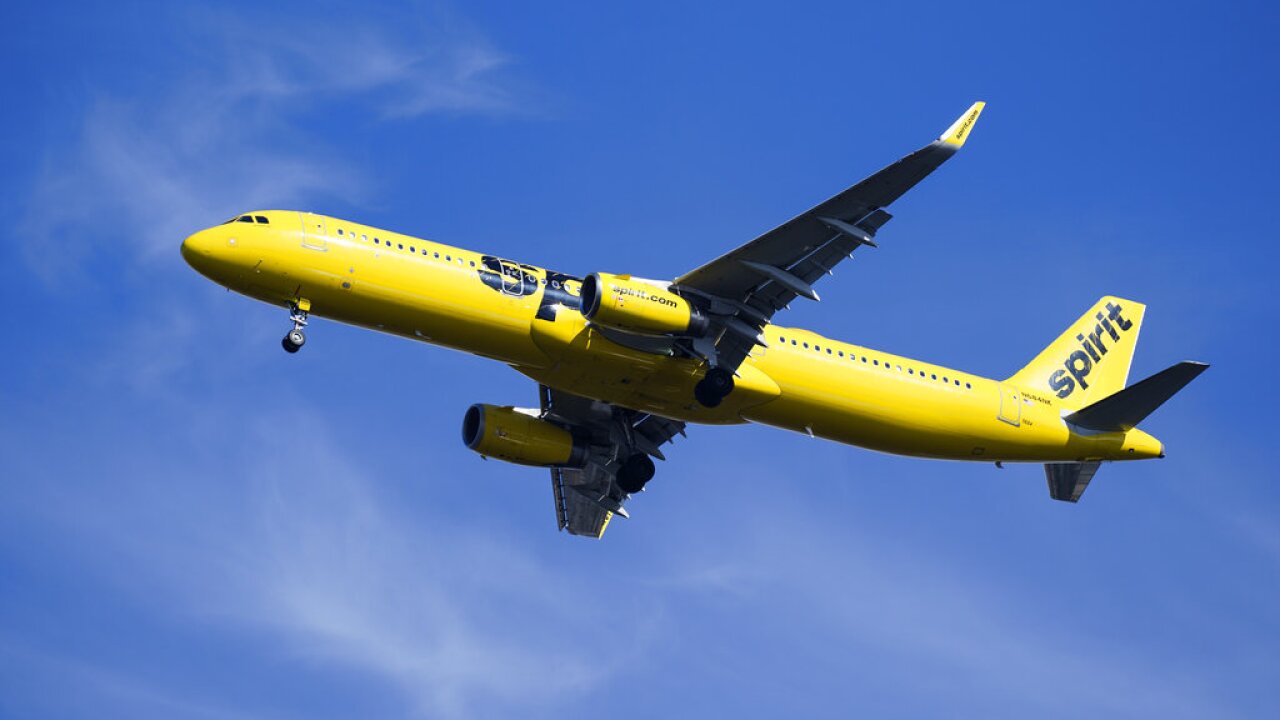
Just five months after completing its restructuring process and emerging from Chapter 11 bankruptcy protection, Spirit Airlines is again facing questions about its long-term survival.
In its latest quarterly disclosure, parent company Spirit Aviation Holdings acknowledged “substantial doubt” about its ability to continue operations over the next 12 months without significant changes. In plain terms, the budget carrier is warning that its cash reserves may not be enough to sustain its business through the year ahead.
Persistent Market Pressures
Despite emerging from bankruptcy in March with restructured debt and fresh financing, Spirit continues to encounter headwinds. The airline cited prolonged weakness in the U.S. domestic leisure travel market, ongoing operational uncertainties, and competitive pricing pressure as factors weighing on its recovery.
These challenges have been compounded by rising costs across the aviation sector, as well as the lingering after-effects of the COVID-19 pandemic. Spirit’s low-cost, no-frills model — long defined by its bright yellow aircraft and ultra-competitive pricing — has struggled to regain profitability in a post-pandemic environment where cost-conscious travelers have more options.
Financial and Operational Moves
Since its restructuring, Spirit has been focused on aggressive cost-control measures. These have included planned furloughs for around 270 pilots, a downgrade of approximately 140 captains to first officers, and ongoing evaluation of asset sales, including aircraft and real estate. The latest personnel changes are set to take effect in October and November, aligning with projected lower flight volumes for 2026.
While Spirit has maintained one of the youngest fleets in the U.S., a potential advantage in attracting investors or acquisition interest, recent takeover attempts by other low-cost carriers — including JetBlue and Frontier — failed before and during the bankruptcy process. The company has not indicated any renewed openness to such deals.
Strategic Shift: Beyond Ultra-Low-Cost
Recognising the competitive squeeze from major airlines offering budget-friendly fare classes within larger, more diversified networks, Spirit has begun experimenting with tiered ticketing options. The move aims to attract travelers willing to pay for additional amenities, a pivot from the carrier’s historically stripped-down service model.
However, this transition comes at a time when liquidity remains a pressing concern. Without significant revenue growth or fresh investment, Spirit’s capacity to execute a broader strategic repositioning could be limited.
The Bigger Picture
Spirit’s situation is emblematic of the broader struggle faced by standalone budget airlines in North America. As full-service carriers integrate low-cost offerings and leverage loyalty programs to lock in passengers, pure-play budget operators are under pressure to evolve — or risk being squeezed out entirely.
Whether Spirit’s blend of cost-cutting, strategic pricing changes, and asset management will be enough to restore stability remains to be seen. But with the clock ticking on liquidity and market confidence, the airline is once again navigating a high-stakes survival flight.
Partner With Us
Want to feature your brand, business, or service on 365247 — Whether you’re looking to sponsor, collaborate, or build presence within our ecosystem, we’d love to explore it with you.
Submit your Interest Here
IMAGE: AP