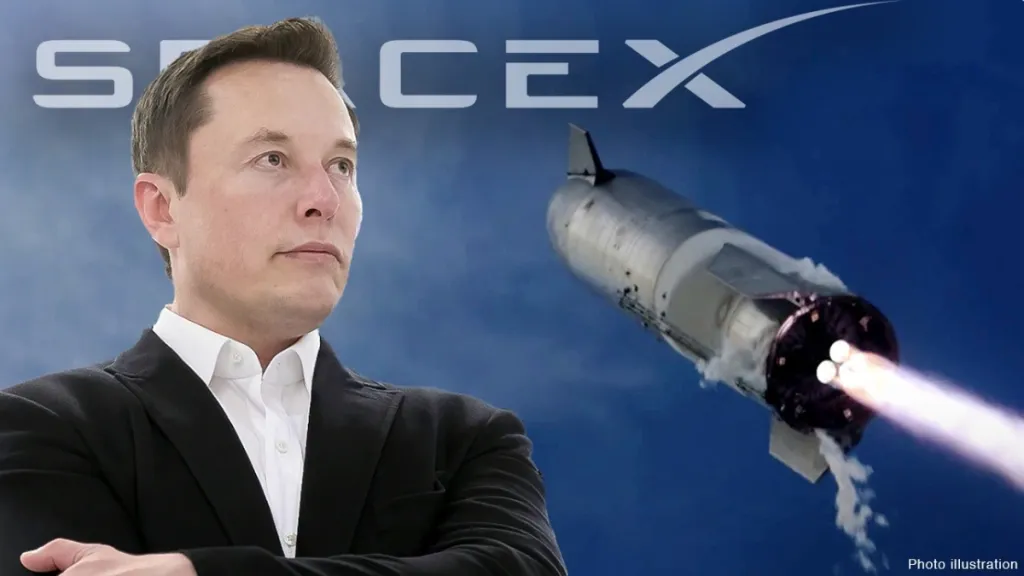
As geopolitical tensions stretch the capabilities of national defense and space exploration, the U.S. government finds itself in an awkward paradox: locked in a public dispute with Elon Musk, yet deeply dependent on his aerospace company, SpaceX.
Contract Scrutiny Meets Political Theater
Recent reports indicate that the U.S. administration has initiated a comprehensive review of government contracts held by SpaceX—many of which are multi-billion-dollar agreements with NASA and the Department of Defense. Officially, the reviews are framed as an audit of potential inefficiencies or “wasteful spending.” Unofficially, however, they follow a sharp exchange between Elon Musk and former President Donald Trump—an exchange that escalated from policy disagreements to personal barbs across social media.
This isn’t the first time business and politics have collided. But the stakes are uniquely high: SpaceX isn’t just any defense contractor—it’s the backbone of America’s space ambitions and military launch infrastructure.
Critical But Irreplaceable
Despite the political friction, early findings from internal audits make one thing clear: SpaceX’s services are, at least for now, irreplaceable.
Its Crew Dragon spacecraft is one of the only options for manned space missions originating from American soil. Its rockets carry GPS and surveillance satellites for the U.S. Space Force. And with 28 national security launches worth close to $6 billion already locked in, SpaceX’s technical edge has made it indispensable to both NASA and the Pentagon.
This presents a strategic dilemma: while political leadership may wish to diversify away from Musk’s influence, operational necessity leaves them little room for maneuver.
Strategic Dependencies in a Politicized Economy
The bigger picture here is less about Musk vs. Trump and more about how modern democracies manage strategic dependencies on private enterprise.
When critical national infrastructure—spaceflight, satellite deployment, even electric vehicles—is concentrated in the hands of a few powerful individuals, governments risk losing bargaining leverage. The feud between Musk and Trump may look like political drama, but it reflects a deeper governance challenge: how do states ensure continuity, security, and neutrality when their most critical partners are high-profile entrepreneurs with their own agendas?
Lessons for the Global Market
This episode is instructive not just for the U.S., but for any government or multinational body engaged in long-term private partnerships:
- Redundancy matters: Over-reliance on a single supplier, no matter how innovative, can jeopardize strategic independence.
- Personality risk is real: In the age of celebrity CEOs, public perception and political alignment now influence everything—from contract security to diplomatic strategy.
- Procurement is now geopolitical: Decisions once confined to internal budgets now ripple into international alliances and ideological battlegrounds.
Contracts in the Age of Influence
For all the headlines and hostility, the core tension remains unresolved: SpaceX is both politically divisive and technologically essential. Until competitors match its capability—or the government reshapes its risk appetite—this uneasy alliance will persist.
What unfolds next isn’t just about Elon Musk or Donald Trump. It’s about whether nations can retain strategic autonomy in a world increasingly shaped by private platforms, billionaire influence, and commercialized frontiers.