In one of the most far-reaching regulatory enforcement actions in Singapore’s financial history, the Monetary Authority of Singapore (MAS) has levied a combined penalty of S$27.45 million on nine major financial institutions. The move follows the fallout from a massive S$3 billion (US$2.4 billion) money laundering case, which has triggered significant concerns over compliance standards in one of the world’s most respected financial hubs.
The Background: A Billion-Dollar Scandal
The crackdown follows the arrest and conviction of ten individuals—originally from China and holding various nationalities—who were found guilty of using Singapore’s financial system to channel illicit proceeds from overseas gambling and scams. The scandal, first uncovered in 2023, not only shocked the public but also raised questions about the rigour of anti-money laundering (AML) safeguards within the country’s financial sector.
Assets seized included luxury cars, designer watches, cryptocurrencies, and large volumes of cash—much of it linked to fraudulent online gambling and other criminal networks operating beyond Singapore’s borders.
What the MAS Found
Following its investigation, MAS concluded that the nine institutions failed to effectively implement existing anti-money laundering protocols. Key deficiencies included:
- Weak client risk profiling
- Inadequate scrutiny of suspicious transactions
- Failure to follow up on red flags during onboarding and monitoring
In many cases, banks did not investigate transactions that were disproportionately large or inconsistent with their customers’ known financial profiles. Some even ignored anomalies flagged by their own internal systems.
Who Was Penalized and How Much
Among the institutions fined:
- Credit Suisse (Singapore branch) – S$5.8 million
- United Overseas Bank (UOB) – S$5.6 million
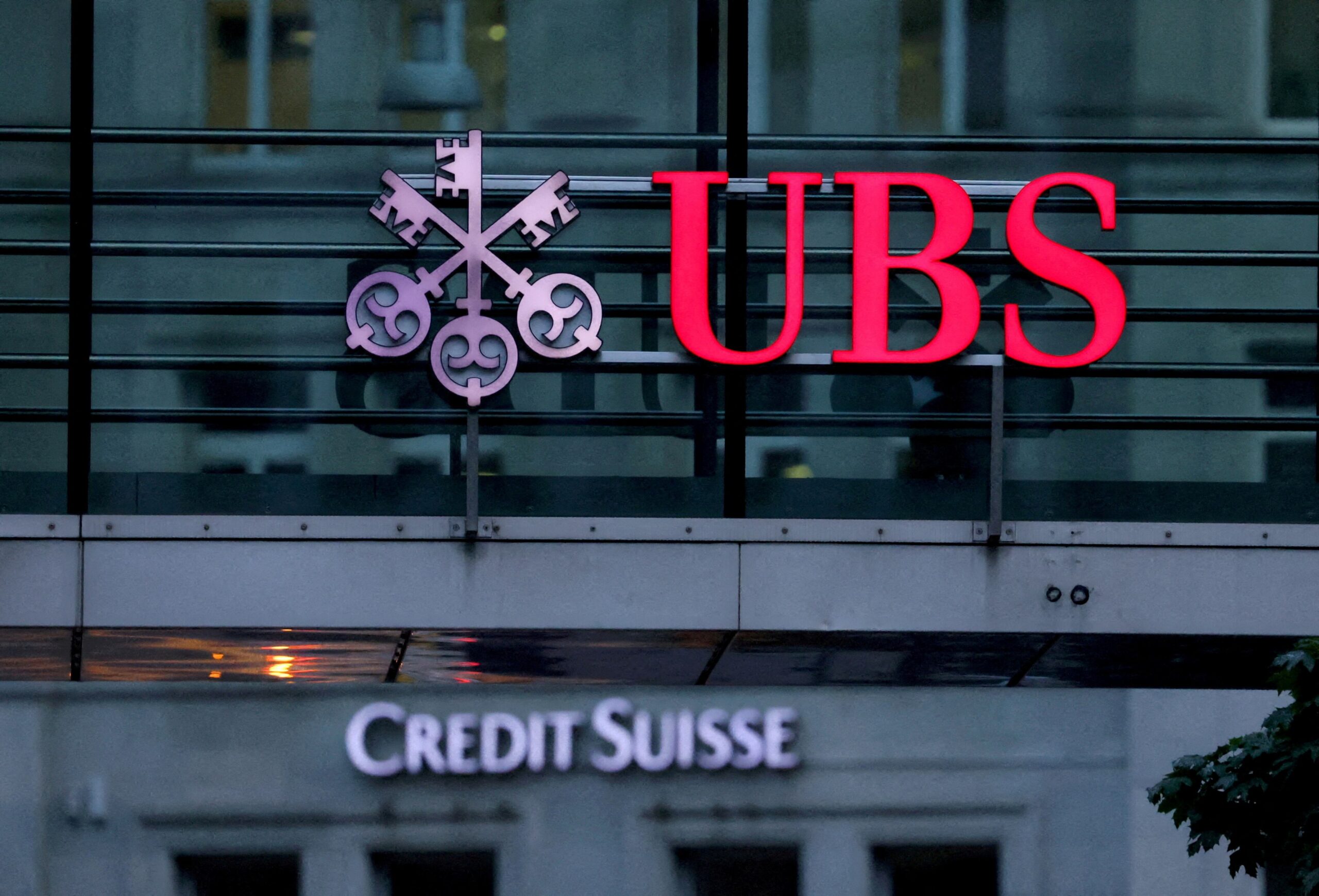
- UBS AG (Singapore branch) – S$3 million
- Citibank N.A. Singapore + Citibank Singapore Ltd – S$2.6 million
- Bank Julius Baer (Singapore branch) – S$2.4 million
Three other unnamed institutions were also penalized. In parallel, MAS imposed industry bans on four individuals for three to six years and issued reprimands to five others involved.
Bank Responses and Reputational Risk
All financial institutions involved have acknowledged the penalties and pledged corrective action.
- UOB stated that it had already strengthened its AML procedures over the past two years.
- Citi Singapore reaffirmed its commitment to enhanced onboarding and monitoring frameworks.
- UBS pledged continued cooperation with regulators, while acknowledging the inherited risks from Credit Suisse, which it absorbed in 2023.
These actions come amid rising regulatory scrutiny globally, as financial centers like Singapore seek to maintain trust and competitiveness amidst geopolitical and digital crime threats.
A Wake-Up Call for Compliance
Singapore’s response serves as a case study in financial sector governance: swift, broad, and unapologetically strict.
For global banks, the message is clear—compliance can no longer be reactive. Institutions must treat AML as a real-time, strategic imperative rather than a box-ticking function. In a region vying to lead global finance, reputational damage from regulatory lapses can quickly outweigh any short-term profit motive.
As financial crime becomes increasingly complex, compliance innovation—not just enforcement—will define the winners of the next financial era.
Join the 365247 Community here
IMAGE: Reuters