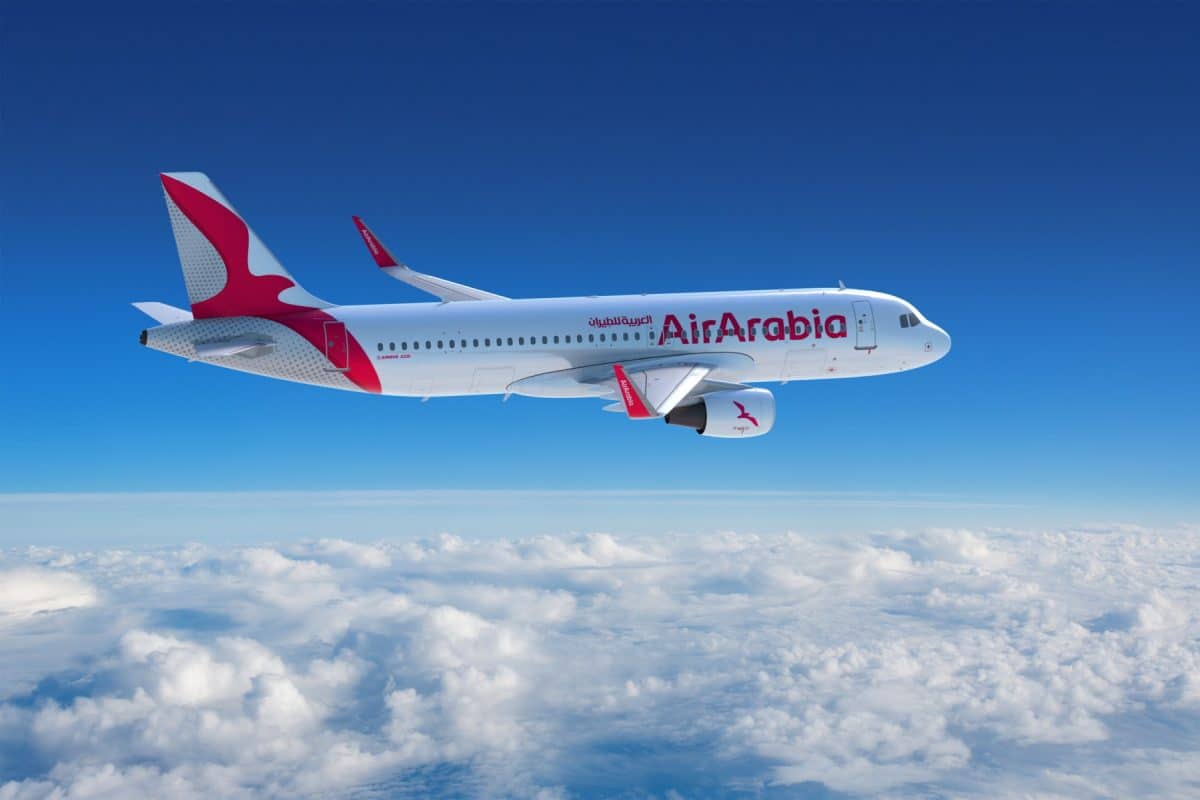
In another bold move to reshape regional aviation and diversify its economic base, Saudi Arabia has revealed plans for a new national low-cost carrier, set to launch operations by the end of the decade.
The yet-to-be-named airline will be headquartered at King Fahd International Airport in Dammam, with a projected fleet of 45 aircraft by 2030. Backed by a consortium that includes UAE-based Air Arabia, the venture reflects the Kingdom’s ongoing commitment to positioning itself as a major global transit hub under its Vision 2030 framework.
Strategic Expansion from the Eastern Province
Unlike Riyadh Air, which is designed to compete at the global premium end from the capital, this new carrier targets the value segment — with a specific focus on both domestic reach and international scale from Saudi Arabia’s Eastern Province. Its planned route network includes:
- 24 domestic destinations, enhancing inter-regional mobility within the Kingdom
- 57 international destinations, underscoring Saudi ambitions to be a more connected, tourism-friendly state
The airline aims to carry 10 million passengers annually, aligning closely with broader tourism, logistics, and trade growth targets set by Saudi policymakers.
Why This Matters
Saudi Arabia’s aviation sector is undergoing a once-in-a-generation transformation. By launching multiple carriers with differentiated models — luxury (Riyadh Air), value (Dammam-based LCC), and religious-tourism oriented (Flynas) — the Kingdom is building an ecosystem that can capture diverse passenger segments across geographies.
For Air Arabia, the partnership further deepens its Gulf footprint and positions the company to benefit from cross-border cooperation in air travel, route sharing, and operational scale.
The Bigger Picture
This new airline isn’t just a business decision — it’s a geoeconomic statement. Dammam’s strategic location near Bahrain and the UAE, along with its oil and industrial economy, makes it a natural launchpad for a regionally dominant budget airline.
With aviation increasingly seen as a lever for national branding and economic diversification, Saudi Arabia’s multi-pronged airline play is not just about moving people — it’s about shaping perceptions and scaling influence.