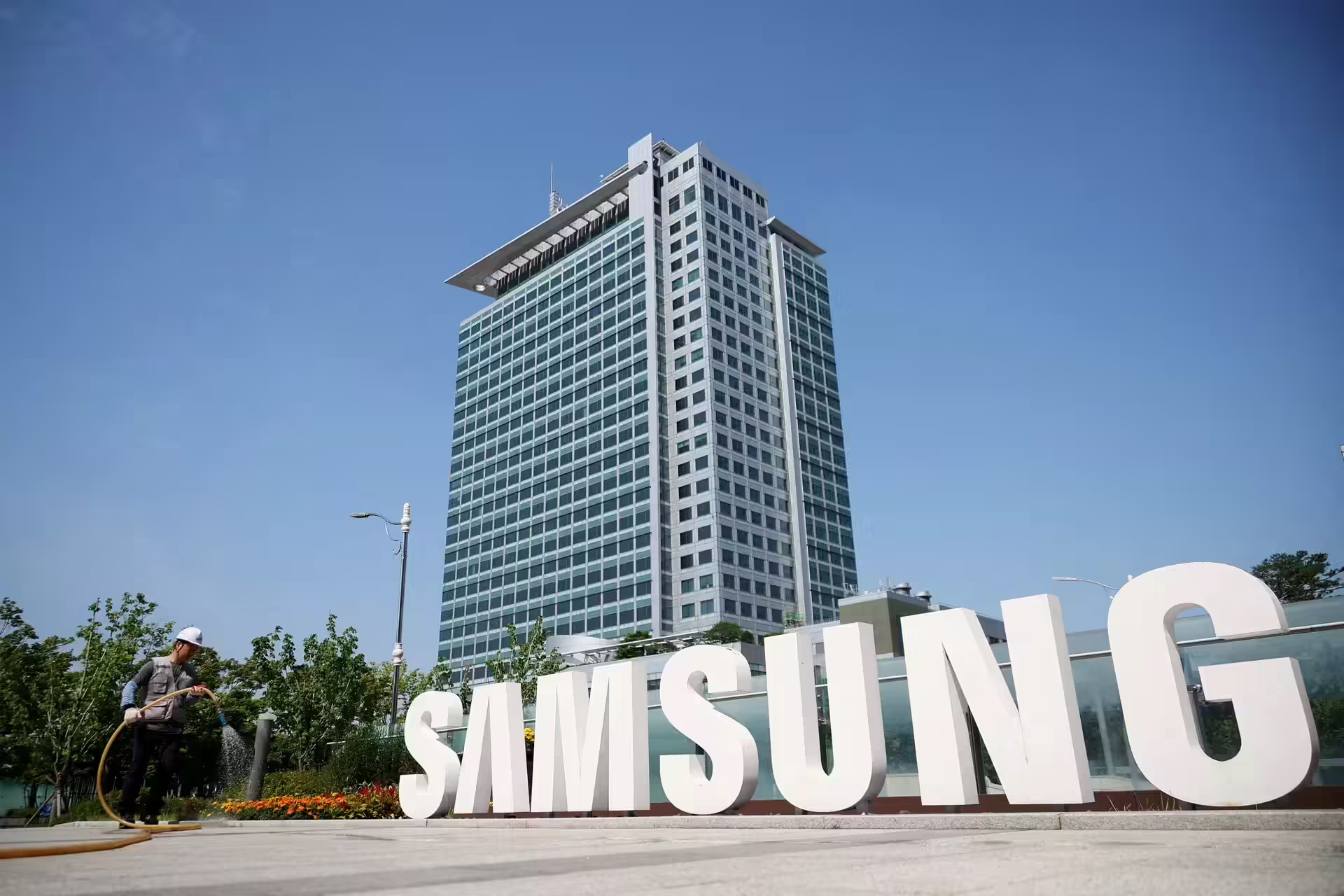
Samsung Electronics is expected to post its lowest quarterly profit in six periods, with analysts estimating a 39% year-on-year drop in Q2 operating earnings to around 6.3 trillion won (approximately $4.6 billion). This downturn reflects intensifying competitive pressures in the high-performance memory space — particularly as Samsung lags in securing its place in the rapidly growing AI supply chain.
The HBM Bottleneck
High-bandwidth memory (HBM) chips have emerged as the backbone of AI infrastructure, powering next-gen GPUs used in data centers. While Samsung remains the world’s largest memory chip manufacturer, it has yet to fully capitalize on the HBM surge.
Unlike SK Hynix and Micron, both of which have secured significant orders from AI leaders, Samsung’s shipments — especially of its advanced HBM3E 12-high variant — have been slowed by qualification delays with Nvidia. The latest reports indicate that these chips are not yet fully certified for Nvidia’s systems, limiting Samsung’s presence in the most lucrative segment of the AI boom.
To compound matters, Samsung’s exposure to the Chinese market — where U.S. policy restrictions are curbing demand for advanced semiconductors — continues to weigh on its ability to scale globally competitive chip operations.
Strategic Misalignment or Temporary Lag?
Samsung’s earlier projection that HBM production would scale meaningfully by mid-2025 now appears optimistic. While it has reportedly begun limited supply of its latest HBM3E chips to AMD, shipments to Nvidia — the dominant AI chip buyer — are likely to remain minimal for the rest of the year.
This delay is creating a widening performance gap between Samsung and its rivals in the AI memory hierarchy. The market’s concern isn’t just about current supply, but about Samsung’s agility in executing next-gen chip development and qualification.
Smartphone Resilience and Tariff Tailwinds
On a more positive note, Samsung’s mobile division is expected to show stable performance, partially buoyed by demand spikes ahead of potential U.S. tariffs on foreign-made smartphones. But broader macro risks remain, with several U.S. trade policies threatening to disrupt global supply chains. These include proposed 25% tariffs on imported devices and looming restrictions on U.S. tech access for chipmakers operating in China — both of which could impact Samsung’s long-term competitiveness.
Market Performance and Investor Sentiment
Despite the company’s global stature, Samsung shares have underperformed this year, up only 19% compared to the KOSPI’s 27% gain. Within the memory segment, it’s the laggard — a position that belies its historical dominance.
365247 Insight: What Comes Next?
Samsung’s short-term outlook hinges on two variables:
- Successful Nvidia certification for its advanced HBM chips, enabling it to compete head-to-head with SK Hynix in the AI arena.
- Clearer alignment with U.S. trade expectations, ensuring stable operations across its Chinese fabs and mobile exports.
But beyond these factors lies a deeper strategic question: Can Samsung transition from a legacy memory giant into an agile, AI-ready supplier at the cutting edge of semiconductor innovation?
For now, the world is watching — and waiting.
Join the 365247 Community here
IMAGE: Reuters