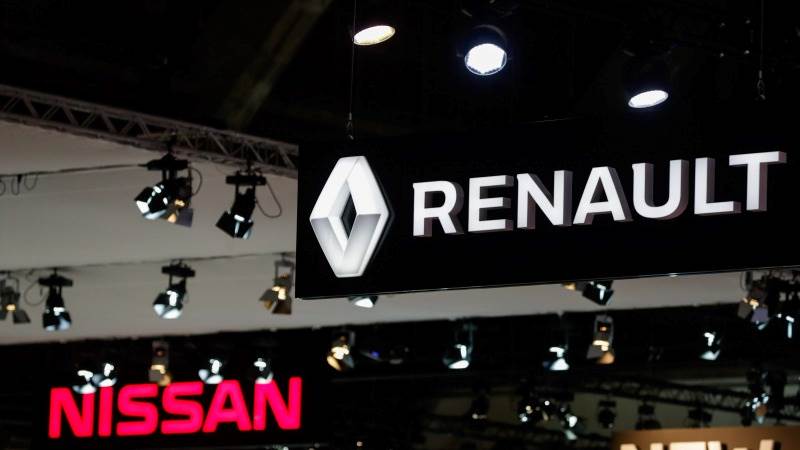
In a move that marks a further recalibration of one of the automotive industry’s most storied alliances, French carmaker Renault announced a one-time impairment charge of €9.5 billion ($11 billion) related to its long-held stake in Nissan Motor Co. The write-down reflects the declining valuation of the Japanese manufacturer amid persistent operational challenges and underscores a growing divergence in strategy between the two companies.
From Alliance to Arm’s Length
Renault currently owns 35.7% of Nissan—split between 17.05% held directly and the rest through a trust. The impairment will be recorded in Renault’s first-half financial results, with the company stating it will now base the valuation of the holding directly on Nissan’s share price, rather than historical book value.
While the financial adjustment is significant, Renault emphasized that it will not impact its full-year guidance or dividend payout, nor will it alter ongoing manufacturing collaborations or operational synergies with Nissan.
This latest step comes as the once tightly bound Franco-Japanese alliance continues to loosen. What began as a pioneering cross-continental partnership over two decades ago is now evolving into a more modular model—focusing on project-based cooperation rather than deep equity entanglement.
Market Reaction: Clearer, Leaner Renault
Markets responded moderately, with Renault shares rising 0.6% in Tuesday trading. Analysts at Morningstar viewed the development as a long-overdue correction, stating that it “allows for a clearer reflection of the underlying improvements in Renault’s profitability.”
Renault, notably, was among the few major automakers that did not issue a profit warning in 2024, highlighting its relative financial resilience during a volatile year for the global automotive sector. The company’s first-half results are due on July 31, and this write-down—while headline-grabbing—is not expected to derail investor sentiment.
Nissan’s Struggles Continue
In contrast, Nissan has been on a downward trajectory. The Japanese manufacturer is grappling with declining global sales, an aging product portfolio, and an inability to capitalize on the electric vehicle (EV) boom—a space it once helped pioneer with the LEAF.
The company posted a $4.5 billion net loss in the fiscal year ending March and has declined to issue forward guidancefor the current year. Its stock fell 2.4% to 341.8 yen on Tuesday, trading well below the levels Renault had once used to justify its increased stake.
The stark contrast is evident in Renault’s 2024 registration documents, which valued its Nissan stake at 1,549 yen per share, far above current market prices.
Strategic Repositioning Amid EV Disruption
This write-down reflects broader sectoral shifts. As automakers rush to future-proof their operations in an era of electrification, connectivity, and autonomy, legacy alliances forged in the combustion era are being reevaluated.
For Renault, this is not just about financial clarity—it’s about strategic freedom. With plans to accelerate its EV platform and software innovation, the company appears increasingly focused on agility and value creation independent of legacy ties.
This write-down is not a retreat—it’s a strategic rebalancing. Renault is aligning its balance sheet with market reality and freeing itself to pursue future-facing growth. For Nissan, the moment is more sobering: it must urgently address operational inefficiencies and reposition in the EV race or risk falling further behind.
The dissolution of deep-rooted partnerships may seem disruptive, but in a transforming industry, they may be necessary for focused innovation, investor confidence, and long-term competitiveness.