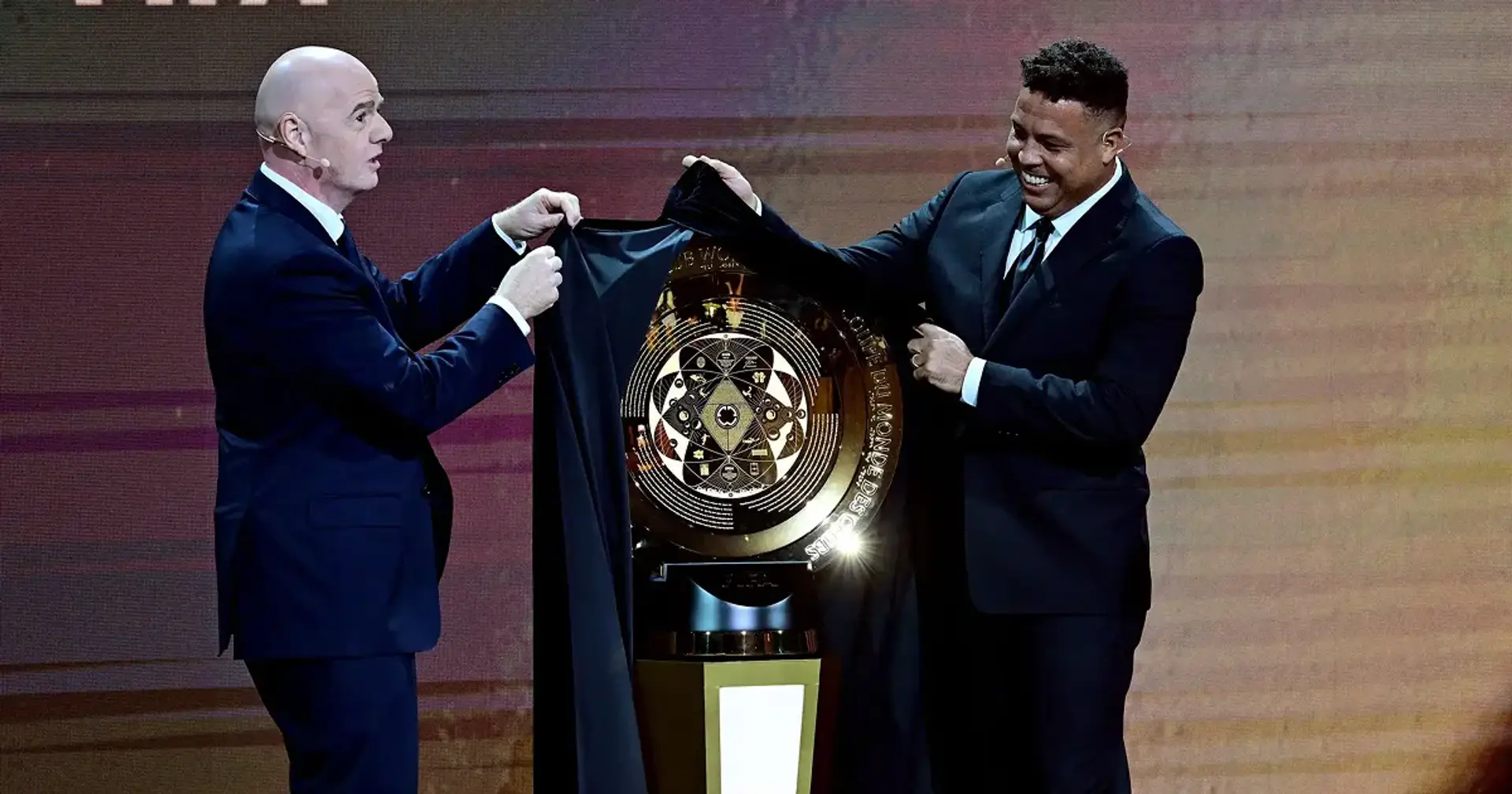
Just a few years after successfully staging the 2022 FIFA World Cup, Qatar is back in the global football spotlight — this time aiming to host the 2029 FIFA Club World Cup.
According to recent developments, Qatari officials have begun talks with FIFA during the current Club World Cup taking place in the United States. Their pitch? A winter edition of the tournament, staged in pre-built stadiums, with a pledge to deliver a carbon-neutral event.
Infrastructure Advantage
Qatar’s bid offers a logistical dream for FIFA. With nine modern stadiums already built, including six in regular use for the Qatari Stars League, the country promises:
- Lower hosting costs
- Minimal domestic travel
- Centralized operations
- A contained tournament footprint
In contrast, the 2025 edition spans 11 U.S. cities, with associated carbon emissions and heavy travel burdens on players and fans alike.
The Heat Problem (and the Winter Solution)
The biggest obstacle remains Qatar’s extreme summer temperatures. Much like the 2022 World Cup, a December Club World Cup is being proposed. But that opens a can of worms — namely, conflict with European domestic calendars.
Both the European Leagues association and global players’ union FIFPRO have already initiated legal proceedings against FIFA over the tournament’s expansion and scheduling decisions, arguing lack of consultation.
FIFA’s Trump Card: The $1 Billion Prize Pool
Despite institutional resistance, FIFA holds significant leverage: a reported $1 billion in prize money. The current edition has already seen Manchester City earn $52 million just by reaching the last 16 — with up to $74 million moreon the line if they win.
For clubs facing financial pressures, that kind of upside may outweigh calendar concerns. As seen in other sports, prize economics often override structural pushback.
A Competitive Host Race
Qatar isn’t the only country in contention. Spain, Morocco, and Brazil have also declared interest in hosting the 2029 edition. While each offers unique assets — heritage, scale, and market size — Qatar’s turnkey infrastructure and government-backed planning make it a formidable contender.
365247 Strategic Insight
Qatar’s 2029 Club World Cup bid is less about football, more about sports diplomacy 2.0:
- Recycling major-event infrastructure sets a precedent for sustainable mega-events
- Economic incentives for clubs may divide opposition alliances
- Winter hosting normalization could open the door for future Gulf or African bids
But most critically, it raises the question: Is the FIFA calendar moving toward club-first, revenue-maximized programming — regardless of federation friction?
Join the 365247 Community here.
IMAGE: Getty Images