As global security dynamics shift dramatically, Poland is positioning itself not just as a frontline state—but as a proactive stakeholder in the technologies shaping 21st-century defense. The Polish government is reportedly in the final stages of acquiring equity in ICEYE, a pioneering firm in satellite-based radar surveillance, signaling Warsaw’s intent to anchor itself within the global defense-tech supply chain.
Why ICEYE?
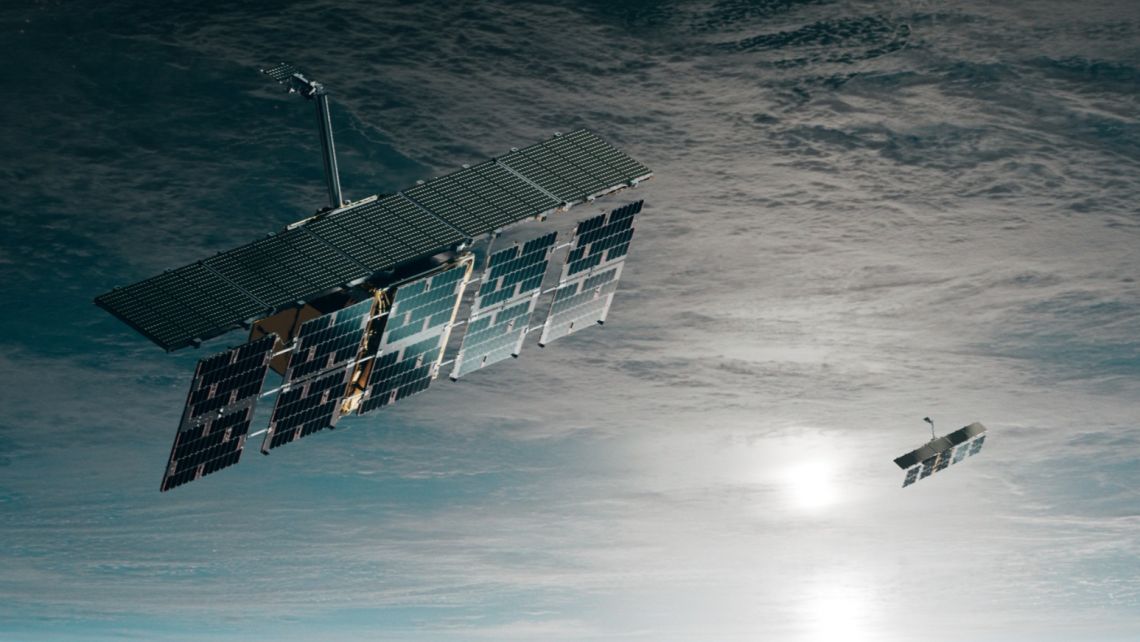
ICEYE, a Finnish-Polish startup, operates the world’s largest constellation of synthetic aperture radar (SAR) satellites—capable of capturing high-resolution images even in darkness or adverse weather. This capability proved crucial in early 2022, when ICEYE provided Ukraine with critical insights into Russian troop movements days before the full-scale invasion began.
With over 50 satellites launched and an active pipeline to scale production to over 100 annually, ICEYE is not just a space startup—it’s fast becoming an integral part of the modern battlefield’s intelligence infrastructure.
Poland’s Broader Defense Strategy
This equity move comes on the heels of a $230 million agreement between Poland’s defense ministry and ICEYE to procure six surveillance satellites. The strategic partnership is expected to deepen, with Poland’s state development bank leading the investment. Though specific figures haven’t been disclosed, the transaction is part of a larger $550 million funding round to accelerate ICEYE’s manufacturing output.
The ambition is clear: move from producing 25 satellites annually to potentially 150—responding to rising demand from governments reassessing their security autonomy in the wake of the Ukraine war and shifting U.S. foreign policy priorities.
European Security and Technological Sovereignty
Poland’s investment aligns with a wider European push for defense self-sufficiency. ICEYE has already secured public backing from institutions such as the European Investment Bank and recently launched a joint venture with German defense conglomerate Rheinmetall to build satellite systems within Germany.
What Poland is effectively doing is embedding itself in the supply chain of the future—where space-based radar, real-time intelligence, and autonomous decision-making tools are as critical as boots on the ground.
What Comes Next
This isn’t just a stake in a satellite company. It’s a signal of a new defense-industrial playbook, where governments move from procurement to ownership, from being clients to becoming strategic partners.
With geopolitical tensions unlikely to fade and the theater of conflict extending beyond borders and into orbit, Poland’s proactive investment in ICEYE could become a case study in how mid-sized nations can lead from the front by investing in next-gen capabilities.
IMAGE: Facebook/Iceye