Based on reporting by Sportcal.
The headline
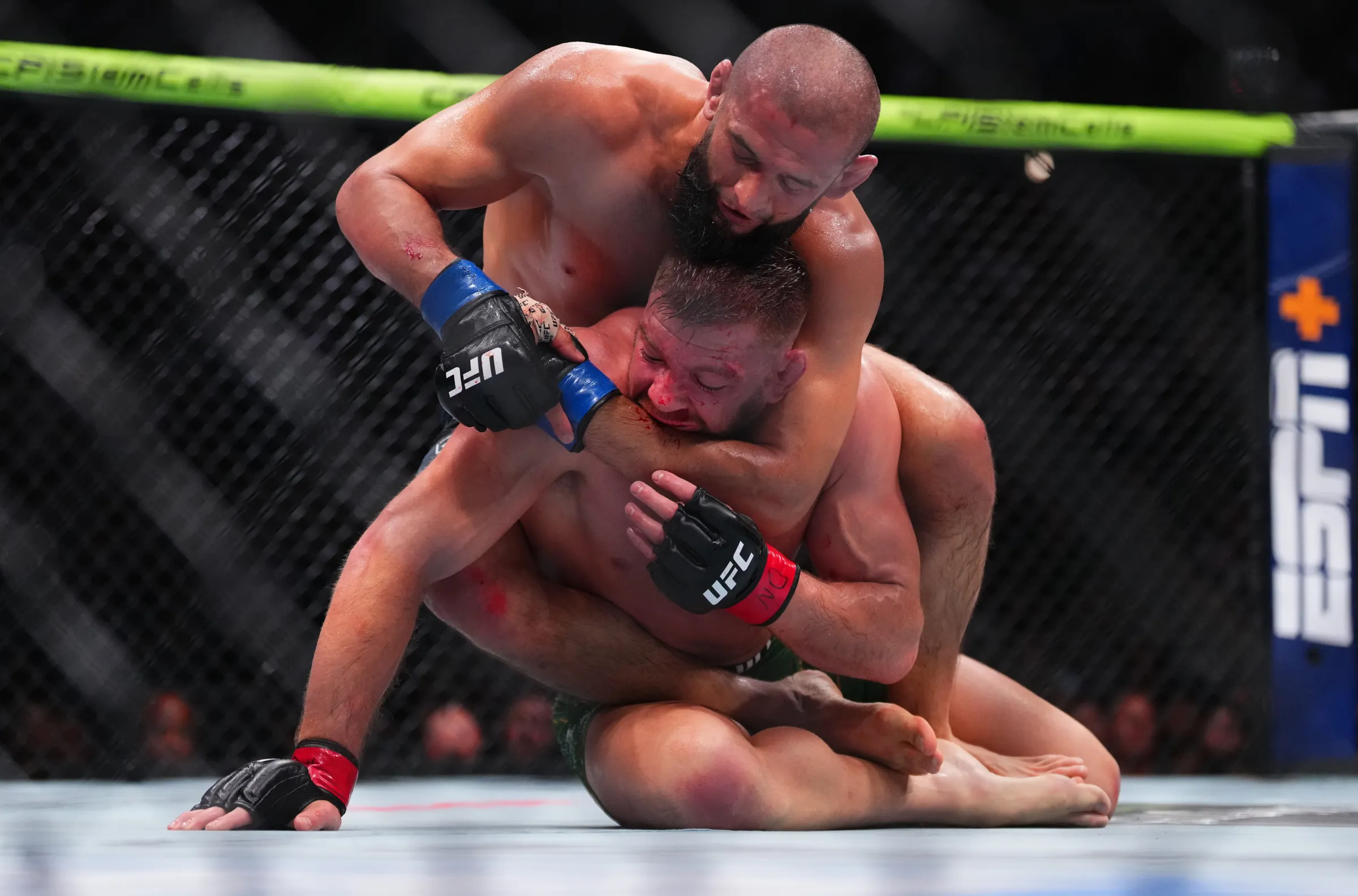
On August 11, shortly after merging with Skydance, Paramount secured the U.S. media rights to the UFC in a deal reportedly worth $7.7 billion. The immediate shockwave: in the U.S., the UFC’s pay-per-view model is effectively over. Flagship “numbered” cards and Fight Nights will stream on Paramount+ at no extra charge beyond a standard subscription.
Why this matters
- PPV → Subscription: For two decades, combat sports monetized peaks through $60–$100 PPVs. That revenue spike now gets smoothed into subscription ARPU, retention, and advertising.
- Scale over spikes: Paramount+ can position the UFC as a monthly habit (13 numbered events + ~30 Fight Nights annually), not a handful of expensive tentpoles.
- TKO alignment: Sister property WWE already shifted away from PPV in the U.S. The UFC move brings TKO’s two pillars onto parallel, streaming-first economics.
Credit: Sportcal (primary reporting) and GlobalData insights referenced throughout.
From closed-circuit to canceled PPV: a business model flips
PPV has been combat sports’ cash register since closed-circuit TV in the mid-20th century, supercharged by stars from Muhammad Ali and Sugar Ray Leonard to Chuck Liddell, Randy Couture, and most lucratively Conor McGregor. McGregor’s run included eight 1M+ PPV cards; Khabib vs. McGregor (2018) peaked around 2.4M buys.
Seven years on, the U.S. market logic has inverted:
- At $80 per card on ESPN+, PPV asked casuals to overpay episodically.
- At $7.99/month (Paramount+ U.S. plan cited in Sportcal/GlobalData analysis), the UFC becomes a low-friction always-on subscription anchor paired with a deep film/TV catalog.
- Younger cohorts—Gen Z & Millennials—already over-index on streaming time and prefer bundled access over episodic fees (as summarized by GlobalData via Sportcal).
The piracy and reliability angle also matters. TKO leadership has acknowledged pirated streaming’s impact and PPV tech pain points in recent years. A single subscription environment reduces the incentive to pirate, improves predictability of cash flow, and lessens the event-by-event sales volatility.
Paramount’s playbook: sports as a subscriber engine
Paramount is following an industry-wide script: use premium live sports to acquire, retain, and upsell streamers.
How UFC fits:
- High-frequency live inventory → consistent tune-in beats seasonal churn.
- Cross-sell into the catalog → fight-week spikes can spill into films/series.
- Advertiser magnet → live combat sports deliver appointment viewing and brand-safe commercial podscompared with user-generated content environments.
Competitive context: Streamers from Netflix to Prime Video are bundling more live sports, with combat sports proving especially event-efficient for attention. Paramount’s UFC outlay (Sportcal cites c. $1.1B/year) is a statement of intent to sit beside the global leaders—not just in entertainment, but in sports IP aggregation.
Winners, trade-offs, and second-order effects
Fans (U.S.)
- Win: A year of top-tier UFC for less than the cost of one legacy PPV.
- Trade-off: Another subscription to manage amid bundle fatigue.
UFC / TKO
- Win: Larger top-of-funnel reach (Paramount+ reports tens of millions of subs), steadier revenue, reduced PPV piracy risk, and deeper first-party data.
- Trade-off: Less per-night upside from monster PPVs; more pressure to optimize churn and drive engagementbetween cards.
Paramount
- Win: A credible sports spine to its service; weekly reasons to open the app; enhanced ad inventory around live events.
- Hurdles: Rights inflation, tech reliability at scale, and preventing “subscribe-for-the-fight, cancel next week” behavior.
Advertisers
- Win: More premium live windows with predictable ratings and brand-safe adjacency.
- Hurdles: Fragmentation across platforms complicates media planning and frequency control.
Note: The PPV sunset described here pertains to the U.S. market. International distribution may continue under territory-specific contracts and models.
What to watch next (KPIs that will tell the truth)
- Subscriber lifts around tentpoles: Do numbered events deliver acquisition spikes and net retention 30/60/90 days out?
- Ad load & yield: Can Paramount maximize CPMs without degrading the live viewing experience?
- Engagement between events: Minutes-per-sub and cross-viewing into the broader catalog are critical to suppress churn.
- Piracy signals: Fewer illicit streams and cleaner fight nights would validate the model shift.
- Merch, ticketing, and IP flywheel: With bigger reach, do live gates, merch attach, and athlete storylines scale faster?
Strategic take for rights holders
- Price psychology beats price point. Bundled access reframes value—especially for younger fans who treat PPV pricing as anachronistic.
- Volume matters. Weekly or bi-weekly events make sports a habit, not a special purchase.
- Data is the new PPV buy rate. First-party data plus consistent cadence can be more powerful than infrequent, spiky cash registers.
- Piracy is a product problem. Lower friction and reliable streams reduce the motivation to steal.
- Mind the bundle fatigue. The winners will package smartly (mobile, telco, multi-SVOD bundles) and personalize to keep marginal subscribers engaged.
Bottom line
Paramount’s UFC acquisition is more than a rights deal; it’s a hard pivot in combat sports economics. In the U.S., the PPV era gives way to the subscription flywheel—bigger reach, steadier revenue, richer data, and new pressures to prove lifetime value over one-night highs.
Source credit: Sportcal
Partner With Us
Want to feature your brand, business, or service on 365247 — Whether you’re looking to sponsor, collaborate, or build presence within our ecosystem, we’d love to explore it with you.
Submit your interest here
IMAGE: Getty Images