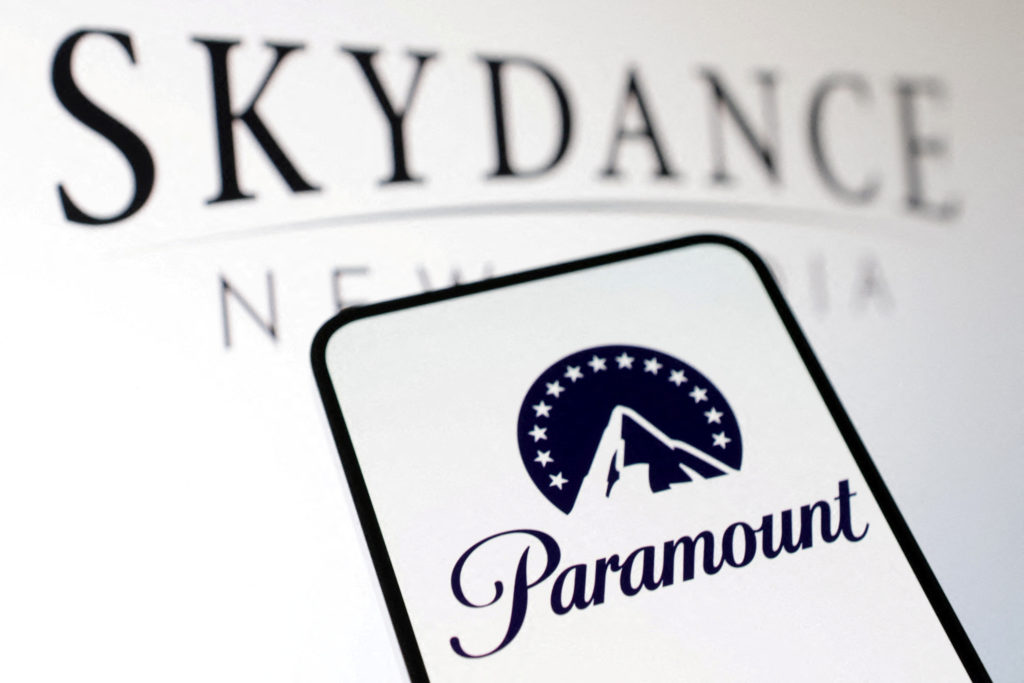
The long-awaited merger between Paramount Global and Skydance Media has now crossed its final regulatory threshold. On Thursday, the U.S. Federal Communications Commission officially approved the deal, removing the last significant barrier to the formation of a restructured media powerhouse. The companies have confirmed the transaction is set to close on August 7, 2025.
But this isn’t just a business deal — it’s a tectonic shift in the American media and political landscape.
The Deal, the Drama, and the Direction
The Paramount-Skydance merger — valued at $8.4 billion — has been one of the most closely watched media transactions in recent years. Paramount, the parent company of CBS, Nickelodeon, MTV, BET, Comedy Central, and Paramount Pictures, is combining forces with Skydance, the production studio founded by David Ellison.
After months of competing bids, internal drama, regulatory pressure, and political entanglements, the partnership is finally happening — and under a new ideological umbrella.
FCC Chair Brendan Carr, who was appointed by President Donald Trump earlier this year, framed the approval in ideological terms. He emphasized the need for CBS — a legacy national news brand — to restore public trust and claimed Americans had “lost faith” in traditional media to report fairly. Carr welcomed Skydance’s written commitments to reshape CBS’s editorial philosophy, including:
- Appointing an ombudsman to handle bias-related complaints at CBS News
- Eliminating formal DEI initiatives
- Prioritizing diverse viewpoints “across the political and ideological spectrum”
- Reinforcing the role of local news and affiliate partnerships
These terms mark a significant philosophical departure from Paramount’s previous positioning and hint at a new era of politicized media ownership in the U.S.
The Trump Factor
Adding further complexity, the merger’s approval came shortly after Paramount settled a high-profile lawsuit with Donald Trump, related to a “60 Minutes” interview with then-Vice President Kamala Harris. The network agreed to a $16 million settlement — with a large portion directed toward Trump’s presidential library — and committed to making full transcripts of presidential interviews publicly available post-broadcast.
While the FCC claims the lawsuit didn’t impact the merger’s approval, the optics have raised alarms. Commissioner Anna Gomez, the sole Democrat on the five-member FCC panel, issued a rare public dissent, criticizing what she described as unprecedented interference by the FCC in a private legal matter — and sounding the alarm on broader threats to editorial independence.
Strategic Implications: Why This Deal Matters
- Editorial Realignment in U.S. Broadcast Media
The CBS brand — once the gold standard of American journalism — may undergo a rapid transformation in tone, content, and audience positioning. Skydance appears ready to align its media output with a more ideologically varied, if not right-leaning, perspective. - China-Style Consolidation Meets American Regulation
With Skydance’s tech-forward, vertically integrated approach, the merger could trigger new waves of consolidation in the U.S. media sector, mirroring the hybrid studio-distribution-control model favored by companies like Tencent and Alibaba — but repurposed for a Western market. - Local News as Strategic Leverage
Carr’s emphasis on strengthening CBS’s affiliate relationships highlights how local news is once again becoming a battleground for influence. With national trust in media at historic lows, the local-to-national bridge is now a prized strategic asset. - The End of Corporate Neutrality?
The direct political framing from the FCC chair and terms embedded in this merger suggest a future where regulatory approval may hinge as much on ideological posture as on financial or competitive viability.
The Road Ahead
With an expected closing date just days away, the new Skydance-Paramount entity is set to become a major player in shaping not just entertainment and news, but the values that underpin them. Whether this heralds a reinvigoration of trust or a further politicization of media, only time will tell.
But one thing is clear: media in America isn’t just being disrupted — it’s being redefined.
Partner With Us
Want to feature your brand, business, or service on 365247 — Whether you’re looking to sponsor, collaborate, or build presence within our ecosystem, we’d love to explore it with you.
Submit Your Interest Here
IMAGE: Reuters