Modern elites aren’t merely diversifying into sport—they’re embedding themselves into the fabric of cities. The next decade favors owners who control not just the badge, but the building and the block: arenas, mixed-use districts, hotels, labs, fan plazas, and transit-linked real estate. That’s where operating leverage, non-matchday cash flows, and compounding land value live.
From franchises to “city equity”
Owning a team gives you media rights and matchday revenue. Owning the venue adds 365-day event income, naming rights, F&B, premium hospitality, and scheduling power. Owning the district stacks retail, residential, offices, labs, museums, and parking on top—plus public-sector partnerships that unlock zoning, infrastructure, and co-investment. That bundle is what we call city equity: a durable, place-based advantage that compounds independently of league performance.
1) New York: Koch family ties their capital to Brooklyn’s sports-real-estate stack
In June 2024, Julia Koch and her children agreed to acquire a minority stake in BSE Global, parent of the Brooklyn Nets, New York Liberty, and Barclays Center—a venue anchor that throws off year-round cash flows. The transaction (pending league approvals at the time) formalized a strategic foothold in NYC’s sport-and-venue ecosystem.
2) Birmingham: Knighthead’s “Sports Quarter” as urban regeneration strategy
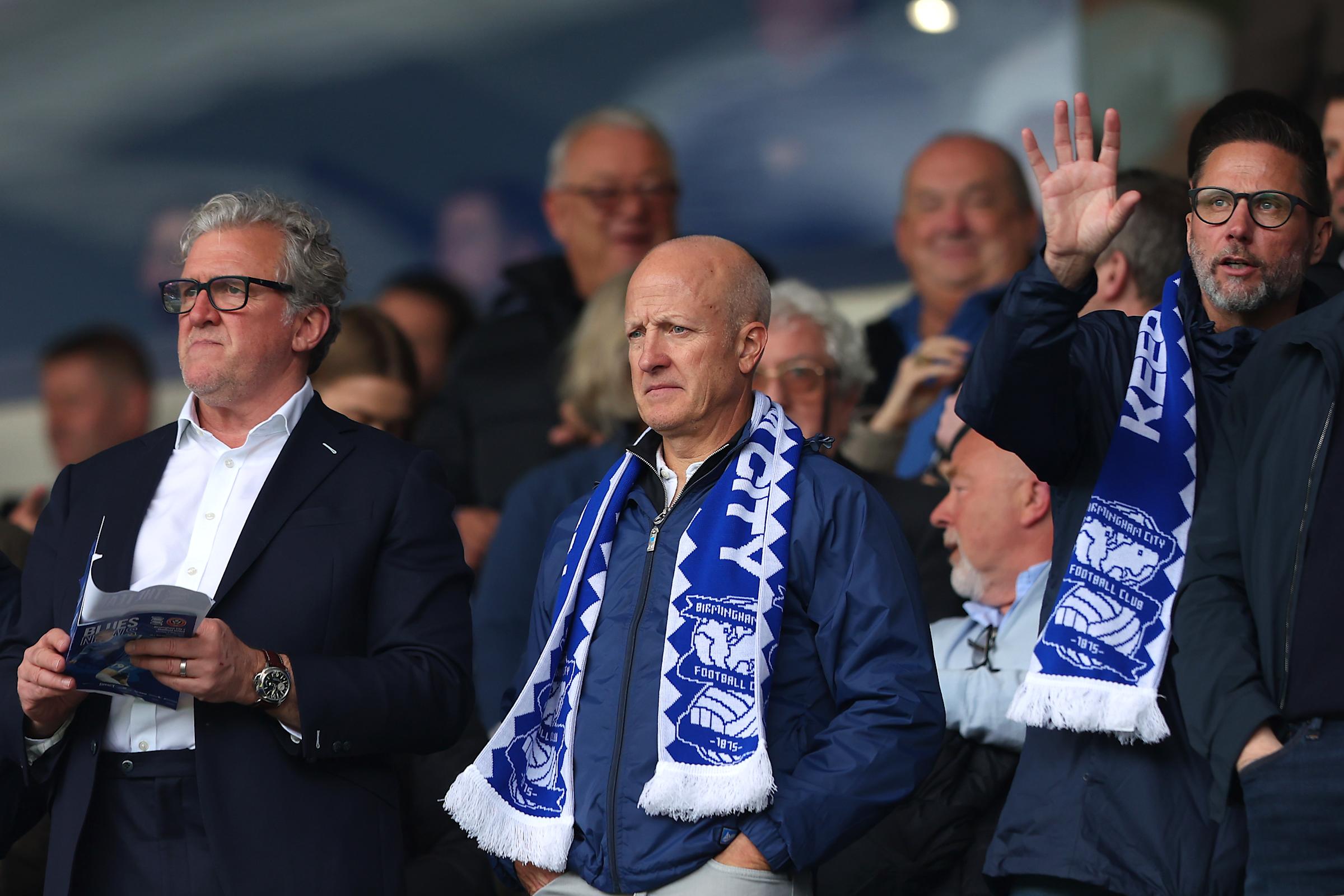
Knighthead (owners of Birmingham City FC) moved beyond team control into place-making: a government-announced investment to build a Sports Quarter in East Birmingham, plus land assembly around the proposed stadium site. This is an explicit city-scale play—new stadium, high-performance facilities, and mixed-use development to rewire footfall and spending patterns.
3) Los Angeles (Inglewood): Ballmer’s Intuit Dome and the civic compact
The Clippers’ privately financed $2B+ Intuit Dome was structured with a $100M community benefits package (affordable housing, youth programs, senior center)—the price of long-term license to operate and to densify around the venue. The arena is positioned as a regional economic engine, not just a building for basketball.
4) Boston: FSG’s Fenway Corners—formalizing a sports-real-estate arm
Fenway Sports Group created FSG Real Estate and partnered with WS Development on Fenway Corners: eight new buildings (offices, labs, retail, residential) enveloping Fenway Park. The project converts event footfall into all-day, all-week tenancy and spend.
5) Manchester: City Football Group knits stadium, new arena, and hospitality into one campus
The Etihad Campus keeps layering assets: Co-op Live (a 23,500-cap arena JV with Oak View Group) and a £300m stadium expansion adding hotel, museum, and a covered fan zone. CFG and OVG launched a joint operating venture to sweat these assets year-round. This is a textbook “district” monetization model.
Why this unlocks shareholder value?
- Utilization > seasonality. Arenas and districts convert 40–50 home event days into 250–300 activated days—concerts, conferences, e-sports, festivals. (See Barclays Center, Co-op Live, Intuit Dome.)
- Pricing power. Control of premium inventory (suites, clubs, adjacent hotels) insulates margins when media cycles wobble.
- Asset appreciation. Entitled urban land near transit, wrapped in a public-private compact, tends to re-rate over time—independent of league tables. (Explicit in Fenway Corners and Birmingham’s proposed Sports Quarter.)
- Regeneration mandates. Cities will lean into projects that bundle jobs, housing, and mobility. Owners who can assemble capital and deliver place-making will win approvals and influence. (Multiple UK city plans now hinge on football-anchored districts.)
The playbook we see winning
- Own/long-lease the venue, then program 300 days with a dedicated content engine.
- Assemble the block: hotel, lab/office, retail, food halls, museums/brand experiences, academy/school links.
- Lock a civic deal: community benefits, transport upgrades, local procurement, genuine affordability.
- One ops spine across ticketing, F&B, hospitality, events, partnerships, and data.
- Finance smart: blended capital (private + infrastructure + green finance), pre-let anchors, and escalating MSA-style naming deals.
Risks & frictions (and how winners mitigate)
- Execution risk (cost inflation, construction delays): de-risk with phased delivery and operator JVs (e.g., CFG–OVG).
- Community pushback / public scrutiny: tie approvals to visible, auditable benefits (Ballmer’s $100M CBA).
- Concentration risk (one-sport demand shock): diversify programming mix—music residencies, conventions, immersive exhibitions (Sphere/MSG offers a template for content-first venues).
What to watch next
- More crossover capital in NYC (Koch family broadening sports/venue exposure).
- UK “club-as-developer” era (Birmingham, Manchester, Leeds): football as regeneration flywheel; expect heavy transport asks and land assembly.
- North American venue arms race: privately financed arenas packaged with civic compacts (Intuit Dome as reference case).
365247 Note (for owners, funds, and city partners)
You already own the jersey. The question is whether you can own the journey: the blocks fans traverse, the rooms they sleep in, the stages artists play on, the labs tenants lease, and the moments a city chooses to gather. Each and everything can be connected through your local sports team.
What would your district look like if it printed cash on non-matchdays?
The constraints are real. The unlocks are surprising.
Let’s talk. Contact 365247 Consultancy to start the conversation. (Serious principals only; capacity is limited.)
For Brands, Businesses and Services, feature in our posts
IMAGE: Getty Images