Nvidia, the world’s most valuable semiconductor company, is on track to resume sales of its H20 artificial intelligence (AI) chips to China, marking a pivotal moment in the ongoing U.S.-China technology standoff. According to Reuters, Chinese tech giants such as ByteDance and Tencent are already in the process of applying for access to the chips, which are expected to become available after U.S. regulatory approval.
A Strategic Pause Turns Opportunistic Pivot
The H20 GPU, tailored specifically for China to comply with U.S. export restrictions, was originally suspended due to tighter regulations. However, following Nvidia CEO Jensen Huang’s recent meeting with U.S. President Donald Trump and his scheduled appearance in Beijing, the company has confirmed it is filing for licenses and anticipates a green light from the U.S. government shortly.
While the H20 chips are less powerful than those available globally, they remain highly sought after due to compatibility with Nvidia’s CUDA software ecosystem—a staple for AI developers. The company emphasized the importance of maintaining a foothold in China, citing its vast innovation ecosystem and leading AI researchers.
Demand Surges Despite Restrictions
Chinese firms are rapidly placing orders for H20 chips, which Nvidia will route through the U.S. government for approval. A curated list of eligible Chinese buyers has been reportedly compiled to streamline the process. Despite national security concerns raised by U.S. lawmakers, the company is eager to re-enter a market that contributed $17 billion in annual revenue—14% of its total sales.
Nvidia is also introducing a new AI chip variant aligned with U.S. trade rules, a move underscoring its intent to continue operations in China while remaining compliant with export policies.
Geopolitics and Market Realignment
This development comes as China loosens its grip on rare earth exports and the U.S. permits the resumption of chip design software services to China—signs of easing tensions between the two superpowers. Still, geopolitical uncertainties loom large.
Huang’s visit to China, closely monitored by stakeholders on both sides of the Pacific, also drew scrutiny from U.S. senators who warned against engaging with Chinese firms linked to military or intelligence sectors. Nvidia’s cautious but firm re-engagement signals a delicate balance between compliance and capital opportunity.
Industry Outlook and Financial Stakes
The potential reentry into the Chinese market could recoup Nvidia’s $5.5 billion inventory write-down and unlock an additional $15-20 billion in annual revenue, analysts say. Rival chipmaker AMD is also pursuing U.S. licenses to ship its MI308 chips to China, highlighting the high stakes for American chipmakers.
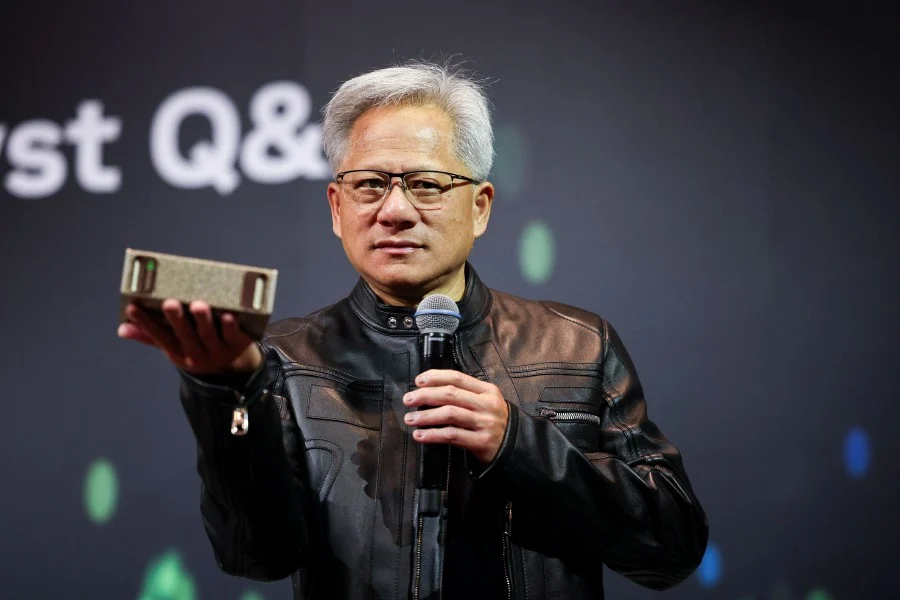
IMAGE: AFP PIC