In the world of professional sports, revenue generation is far from one-size-fits-all. The structure of the sport itself — from number of games played to the intensity of local fan culture — dictates the commercial blueprint. Whether it’s media rights, ticketing, or sponsorships, every league builds its financial engine differently.
This isn’t just a matter of tradition or league preference. It’s about the deep economic interplay between format, frequency, audience behaviour, and media value. Here’s a breakdown of how the major U.S. sports leagues have evolved with drastically different revenue priorities — and what it says about the future of monetizing sport.
The NFL: Prime Time Product, National Media Machine
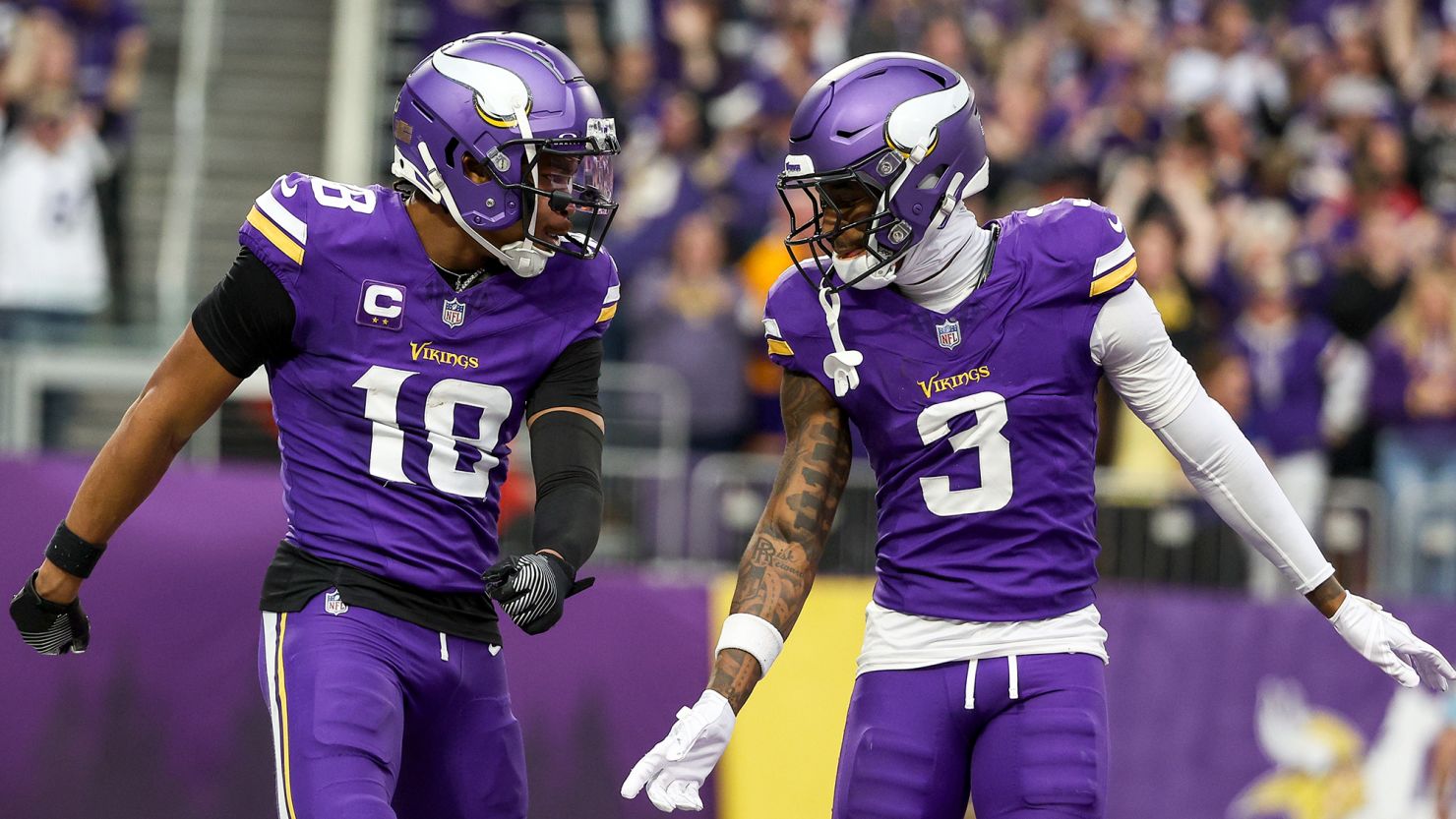
With each team playing only 17 regular-season games, the NFL is built for scarcity — and scarcity breeds value. Every game is an event, positioned to dominate national viewing slots, mostly on Sundays and key primetime windows. The result? National broadcast rights are the league’s crown jewel.
- TV reigns supreme: Every regular season and playoff game is nationally televised or streamed.
- Local market media is limited to preseason games and radio broadcasts.
- This setup transforms the league into a centralized content powerhouse, maximizing revenue from national advertisers, broadcasters, and digital platforms.
The NFL is arguably a media company as much as it is a sports league, using its condensed season to create premium must-watch moments that drive billions in rights fees.
MLB: Volume-Based Economics & Local Market Power
Baseball, by contrast, is a game of volume. With 162 regular season games per team, MLB depends on the loyalty and engagement of local markets to drive its commercial model.
- Ticket sales are king, buoyed by frequency — each home team hosts 81 games per season.
- Most broadcasts are locally produced, with regional sports networks (RSNs) or streaming platforms driving viewership.
- National TV still plays a role during marquee matchups and playoffs, but local media and in-stadium revenueremain the bedrock.
This structure means MLB clubs must build strong community ties and deliver consistent, accessible fan experiences — both digitally and inside the stadium.
NHL: A Live Experience Business in a Broadcast World
The NHL sits in a unique position — niche national popularity in the U.S., but an intensely loyal base in select cities. More than any other major league, the in-person experience drives its value.
- Hockey loses something on screen — especially compared to the live arena atmosphere. That’s why ticketing remains its most crucial revenue stream.
- Despite efforts to grow media rights, the NHL is heavily reliant on local fanbases and matchday income.
- As a result, NHL ticket prices tend to be among the highest per game, reflecting this dependence on live attendance and arena-centric monetization.
The NHL has built its business model around scarcity of top-tier fan experience — live or nothing — and leans heavily on premium seating, hospitality, and local partnerships.
The Core Insight: Game Frequency = Revenue Leverage
There’s a simple but powerful equation here:
More games = greater local dependency. Fewer games = stronger national play.
Leagues like the NFL can sell narrative, drama, and scale across the nation. Leagues like MLB or the NHL require consistent touchpoints and localized monetization strategies.
Understanding this spectrum is essential — not just for investors or broadcasters, but for brands, sponsors, and tech partners looking to engage meaningfully with a league or club. Aligning with the right commercial engine (media, tickets, or sponsorship) is the key to unlocking real ROI in sports.
The Strategic Takeaway
Sports leagues aren’t just different because of what happens on the field — they differ in how value is captured off it. Recognizing the commercial DNA of a league can reshape how rights are sold, how content is distributed, and how brands invest in the game.
At 365247, we decode the business logic behind sport’s biggest decisions — from broadcast negotiations to ticketing innovation — and shine a light on the strategic differences shaping the future of live entertainment.
Partner With Us
Want to feature your brand, business, or service on 365247 — Whether you’re looking to sponsor, collaborate, or build presence within our ecosystem, we’d love to explore it with you.
Submit your Interest Here