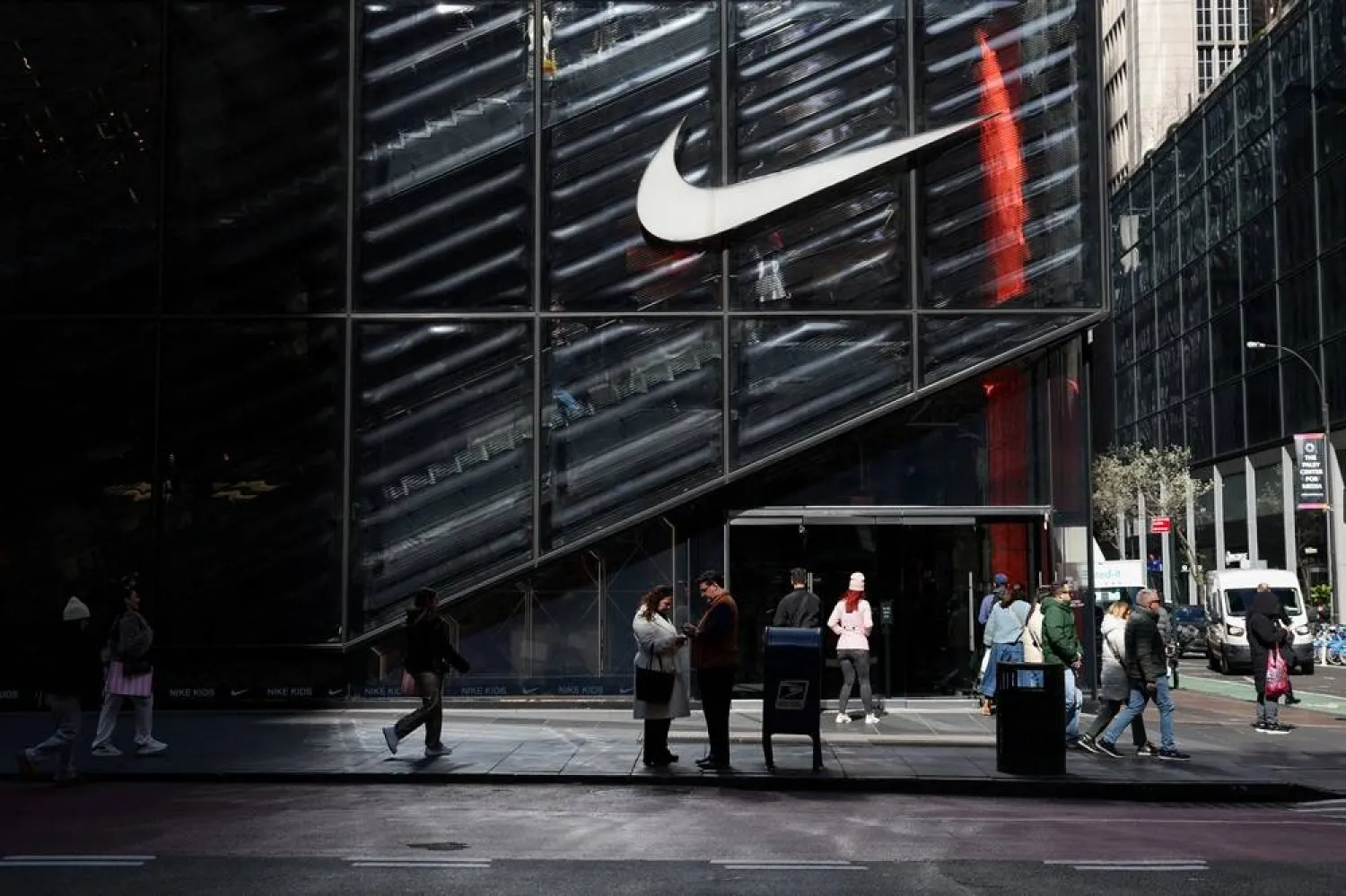
Global sportswear giant Nike is bracing for a $1 billion increase in operational costs amid rising trade tensions between the United States and China. As tariffs bite deeper into bottom lines, the company has signaled plans to raise prices, diversify production, and streamline operations to stay competitive.
The financial pressure comes at a time when Nike is already navigating one of its toughest fiscal stretches in years. In its latest quarterly report, revenue dropped 12% year-over-year, marking the company’s worst quarterly performance in more than three years. Nike’s market value has declined by a third over the past 12 months, reflecting mounting investor concerns.
Supply Chain Shake-Up Underway
Nike’s current production footprint leans heavily on Asia. In the past year, over 95% of its footwear came from Vietnam, Indonesia, and China, while nearly 60% of its apparel originated from Vietnam, China, and Cambodia.
With U.S. tariffs on some Chinese-made goods now hitting 60%, Nike is accelerating a shift in sourcing. The company plans to reallocate production across regions with fewer trade barriers and lower cost pressures. According to executives, this isn’t just about geography—it’s about maintaining flexibility and long-term resilience in the face of shifting global dynamics.
“We’re optimizing our sourcing strategy to minimize the impact on U.S. operations,” a senior Nike executive said during the earnings call. “We’ve navigated supply chain disruption before, and we’re doing it again—strategically.”
Price Hikes, Cost Cuts, and Consumer Impact
To offset the rising costs, Nike is preparing to implement targeted price increases in the U.S. starting this autumn. The hikes are expected to be selective—focused on high-demand items—so as not to alienate core consumers. Internally, the company is also looking at corporate cost reductions to protect margins, signaling a leaner operational approach going forward.
While Nike has historically been one of the top contributors to U.S. import duties, this latest tariff shock is unprecedented in its scale. CFO Matthew Friend called it a “meaningful headwind,” noting that the company’s strategy includes both near-term adjustments and long-term sourcing diversification.
Strategic Reset Amid Global Headwinds
Nike’s leadership emphasized that while the current financial picture is challenging, it aligns with internal forecasts. CEO Elliott Hill acknowledged the company isn’t satisfied with its position, stating that Nike remains committed to long-term brand strength and innovation.
“We’re not happy with where we are—but we know where we’re going,” Hill said.
Industry analysts believe Nike may be close to a bottom, with signs that its post-pandemic turbulence could begin to stabilize—if macroeconomic pressures ease and tariff risks subside.
“Nike is facing the double blow of post-pandemic consumer shifts and aggressive U.S.-China trade policies,” noted Mamta Valechha, an analyst at Quilter Cheviot. “But if any brand can bounce back, it’s Nike—provided it acts fast and strategically.”
What This Means for Global Brands
Nike’s experience underscores a broader reality for multinationals operating in today’s fragmented trade environment: geopolitics is now a central pillar of supply chain strategy.
With the global trade landscape more volatile than ever, companies like Nike are being forced to build agility into their sourcing models, pricing structures, and product pipelines.
As we head into 2026, expect more brands to follow suit—rethinking where they manufacture, how they sell, and how to remain resilient in a world of tariffs, inflation, and shifting consumer demand.
365247 Media will continue to track Nike’s transformation as it unfolds—along with the broader trends redefining global commerce.
Join the 365247 Community here.
IMAGE: Reuters