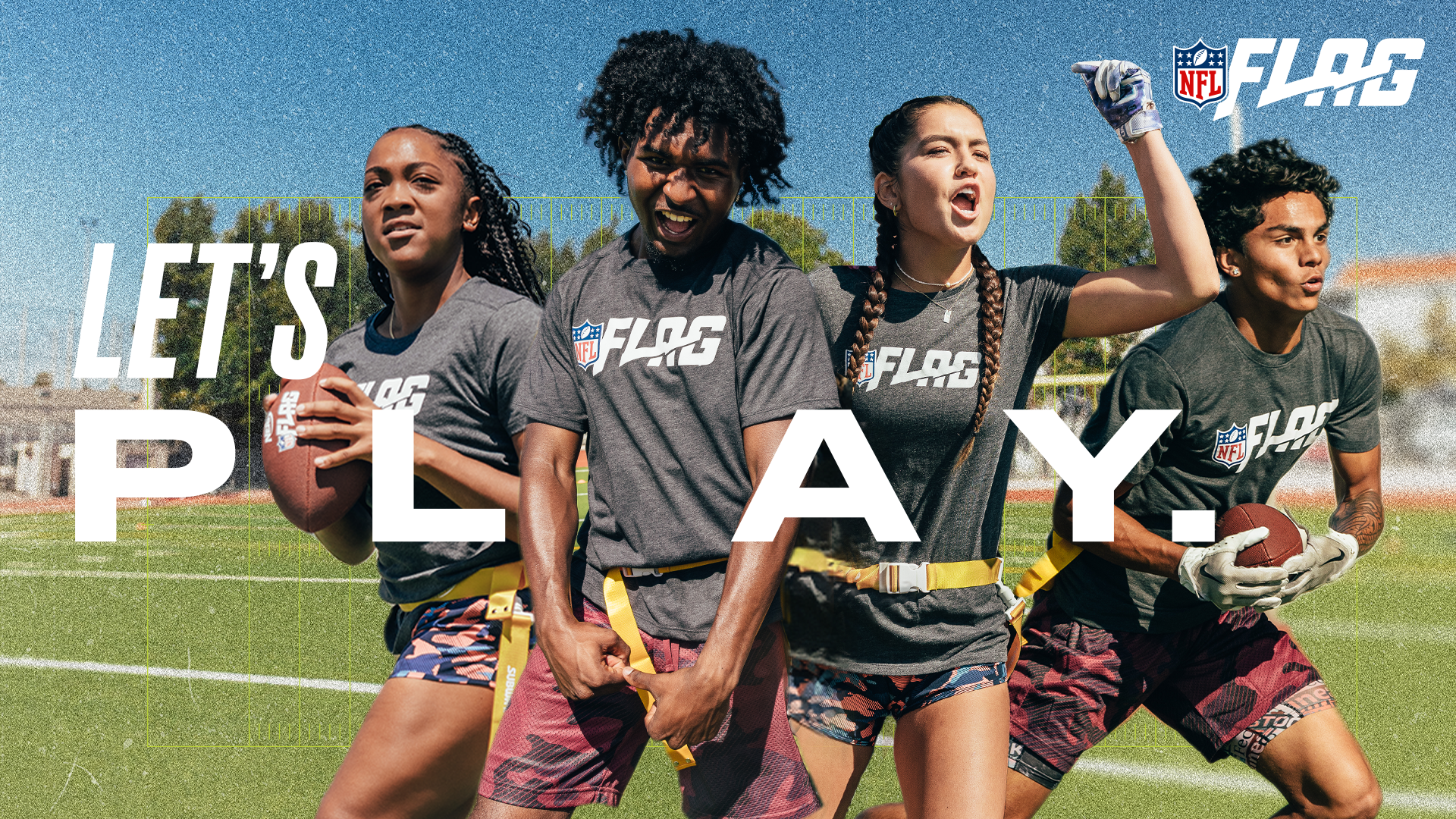
In a groundbreaking move, the NFL has officially approved its players to participate in the 2028 Summer Olympics in Los Angeles, where flag football will make its debut as an Olympic sport. This decision has ignited both excitement and debate within the sports community, as the inclusion of NFL stars promises to elevate the sport’s profile but also raises questions about the future of existing flag football athletes.
The NFL’s Strategic Push into the Olympics
The NFL’s endorsement of flag football’s Olympic inclusion aligns with its broader strategy to globalize the sport. By allowing its athletes to compete on the Olympic stage, the league aims to showcase the game’s accessibility and appeal to a worldwide audience. Flag football, being a non-contact, fast-paced variant of traditional American football, offers a more inclusive and internationally palatable version of the game.
NFL Commissioner Roger Goodell has acknowledged the enthusiasm among players to represent their countries, stating that many have expressed a desire to participate in the Olympics . This move is seen as a significant step in promoting the sport globally and attracting new fans.
Voices from the Flag Football Community
While the NFL’s involvement brings attention and resources, it also raises concerns among existing flag football athletes.Darrell Doucette III, a seasoned quarterback of the U.S. men’s national flag football team and two-time IFAF world champion, has voiced apprehension about NFL players potentially overshadowing those who have dedicated their careers to the sport.
Doucette emphasizes the importance of recognizing the efforts of current flag football athletes, stating, “We felt like we worked hard to get the sport to where it’s at, and then when the NFL guys spoke about it, it was like we were getting kicked to the side” . He advocates for a merit-based selection process, welcoming competition but insisting that Olympic spots should be earned, not assumed.
Potential Olympic Rosters and Player Interest
The prospect of NFL stars competing in the Olympics has sparked speculation about potential team compositions. Players like Tyreek Hill have expressed interest in participating, envisioning a “super team” to represent the United States . Conversely, some players, such as Patrick Mahomes, have shown reluctance, citing age and the desire to allow younger athletes to take center stage.
The inclusion of high-profile athletes could significantly boost the sport’s visibility and popularity, attracting new fans and inspiring aspiring players worldwide.
For sports executives and governing bodies, the integration of NFL players into Olympic flag football presents both opportunities and challenges.
The NFL’s decision to allow its players to participate in the 2028 Olympic flag football competition marks a significant milestone in the sport’s evolution. While the move promises to elevate the game’s profile and attract a global audience, it also necessitates careful consideration of existing athletes’ contributions and the sport’s core values. By fostering collaboration, transparency, and fair competition, stakeholders can ensure that flag football’s Olympic debut is both inclusive and representative of its diverse community.
IMAGE: NFL.COM