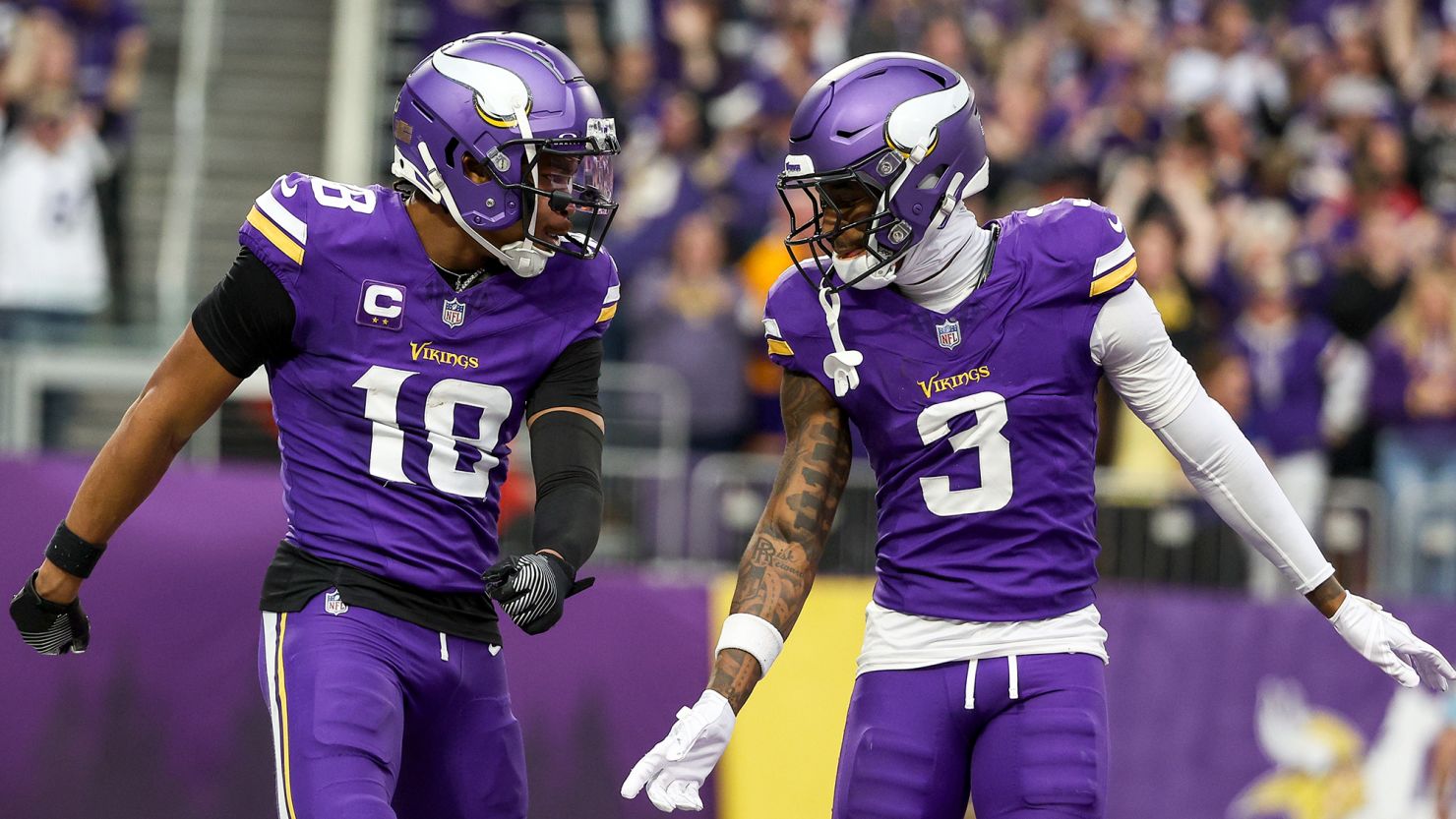
CREDIT: The Sponsor
In the era of hyper-connected fandom and fragmented media consumption, the battle for attention has pushed brands to think bigger—and broader. One of the more prominent evolutions in sponsorship strategy is the rise of multi-team sponsorships: a single brand aligning with multiple clubs, franchises, or teams across geographies and disciplines.
On the surface, it’s a visibility goldmine. But beneath the surface lies a complex dance of synergy, risk, and long-term brand positioning.
What is Multi-Team Sponsorship?
Multi-team sponsorship refers to a single brand partnering with more than one team, often across different sports leagues or even countries. Think of Emirates sponsoring Arsenal, Real Madrid, and AC Milan. Or Red Bull owning teams across Formula 1, football (RB Leipzig, Red Bull Salzburg), and esports.
For brands, it’s a high-stakes game that offers networked exposure, storytelling scale, and global diversification—if executed with precision.
The Opportunities: Why Brands Are Going Big
1. Global Footprint with Local Depth
Aligning with multiple teams allows brands to enter multiple markets at once—each with its own fanbase, culture, and media ecosystem. Rather than betting on one horse, the brand becomes omnipresent across different emotional touchpoints.
Example: A tech brand sponsoring a Premier League club, an NBA team, and a cricket franchise taps into three fan ecosystems with vastly different audience behaviors—maximizing reach.
2. Narrative Scalability
A single brand message can be activated through cohesive campaigns across different teams. Whether it’s a sustainability story, a “for the fans” positioning, or a youth-focused message, this approach enables large-scale amplification with localized relevance.
Think “This is Teamwork” — a slogan brought to life in football locker rooms, basketball courts, and race circuits globally.
3. Negotiation Leverage & Cost Efficiency
With volume comes power. Multi-team deals can unlock bundled rights, economies of scale, and greater value per dollar spent—especially when intermediated through leagues, groups, or multi-ownership entities.
Brands often negotiate asset use (social media, hospitality, jersey placement) across properties under one umbrella deal—driving ROI.
4. Audience Diversification
In today’s era of fan segmentation, multi-team strategies help brands avoid overreliance on one fanbase. If one team underperforms, another can compensate in fan engagement or commercial return.
The Risks: What Can Go Wrong
1. Brand Dilution & Overexposure
Too many partnerships risk eroding brand meaning. When a brand is seen everywhere, it may end up resonating nowhere. Authenticity matters—and oversaturation can backfire.
Fans are quick to call out brands that seem opportunistic rather than deeply invested.
2. Complexity in Execution
Coordinating marketing assets, legal obligations, and activation calendars across multiple teams is operationally demanding. Add in different geographies, languages, and sports cultures, and you’ve got a logistical minefield.
3. Reputation Risk by Association
If one team falls into scandal, the brand’s image may suffer across all properties. Unlike single-club deals, multi-team exposure can create a domino effect of negative sentiment.
Imagine sponsoring three teams and one is caught in a doping controversy—it compromises the brand’s value system alignment across the portfolio.
4. Inconsistent ROI Measurement
With multiple teams come fragmented data sources, engagement metrics, and audience behaviors. Brands often struggle to build a consolidated view of performance—weakening strategic clarity.
Strategic Recommendations for Brands
To maximize upside while mitigating risk, brands should:
- Develop a Portfolio Strategy: Don’t just collect logos. Curate partnerships based on strategic goals (market entry, youth audience, product alignment).
- Centralize Sponsorship Governance: Appoint a cross-functional team to manage all team partnerships, ensuring consistency and streamlined reporting.
- Activate Thematically, Not Uniformly: Let each team amplify the brand’s core message in its own cultural voice.
- Build Exit & Crisis Clauses: Protect against reputational damage through legal provisions and real-time response frameworks.
- Use Tech to Track ROI: Implement unified analytics platforms to measure awareness, engagement, and sales impact across properties.
Where the Industry Goes Next
For forward-thinking brands, multi-team sponsorship is evolving from exposure to ecosystem ownership. It’s not just about being seen—it’s about shaping culture across multiple fan touchpoints. As Gen Z and Gen Alpha fragment media consumption across platforms, brands will need networked sponsorship ecosystems that mirror the fluidity of modern fandom.
Expect to see more vertical integration: brands not only sponsoring teams, but building content studios, NFT collectibles, fan experiences, and social impact initiatives around them. The goal? Cultural permanence.
Multi-team sponsorship is a high-reward strategy for brands ready to commit to long-term, values-led storytelling across geographies and sports. It’s not a shortcut—it’s a system. One that, if architected well, can transform a sponsor from passive logo to cultural architect.
Looking to build a multi-team sponsorship portfolio or activate your current partnerships with precision?
Schedule a call here.