Founded in 2019 by Jeff Moorad and Jahm Najafi, MSP Sports Capital has built a portfolio spanning European football, motorsport, and action sports—with a clear preference for control or significant influence. Headline wins include backing McLaren Racing during COVID at a £560m valuation and exiting in 2025 amid a ~$4–5B valuation range, and acquiring control of the X Games with plans to convert it into a year-round league product.
Who is MSP?
MSP Sports Capital is a New York–based sports investor co-founded by Jeff Moorad (longtime agent and MLB/NBA executive) and Jahm Najafi (The Najafi Companies; vice-chair at McLaren Racing during MSP’s tenure). The firm emphasizes deals where it can control or heavily influence strategy and operations. Principals also include Arne Rees and Steve Wasserman.
Capital profile (recent): Business Insider reported ~$553m AUM as of February 2024, with a focus on influential ownership positions.
Portfolio: What They Own (and Built)
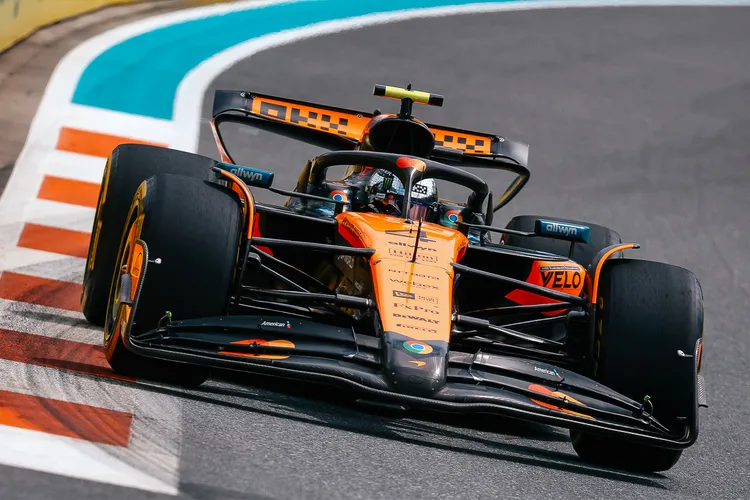
1) McLaren Racing (2020–2025) → Exit
- Entry: MSP led a consortium investing £185m for an initial 15% stake (structured to rise up to 33%), valuing McLaren Racing at £560m in 2020.
- Exit: In September 2025, McLaren Group (backed by Bahrain’s Mumtalakat and Abu Dhabi’s CYVN) purchased MSP’s stake as those funds consolidated full ownership. Market reports put McLaren’s value around $4–5B at exit.
Why it matters: MSP supplied crisis-era capital, board-level stewardship and helped fund infrastructure and talent, then exited after the sport’s revenue cap and media boom improved team economics.
2) X Games (2022–present)
- Control acquisition: MSP bought a majority stake from ESPN in Oct 2022; ESPN kept a minority interest and US broadcast carriage.
- Product transformation: Launching the X Games League (XGL) — a team-based, year-round format slated for 2026 — plus strengthened sponsorships (e.g., SONIC as presenting partner) and leadership hires (e.g., CEO Jeremy Bloom).
- Distribution momentum: Expanded digital/streaming relationships alongside linear; Roku acquired US streaming rights for select events.
Why it matters: This is MSP’s “rights + product” thesis in action—turn a tent-pole event into a scalable league platform with repeatable inventory for brands and broadcasters.
3) European Football Platform
- Portugal: Estoril Praia — MSP co-led the acquisition in 2019 (control position).
- Spain: AD Alcorcón — joined an investor group led by David Blitzer in 2019.
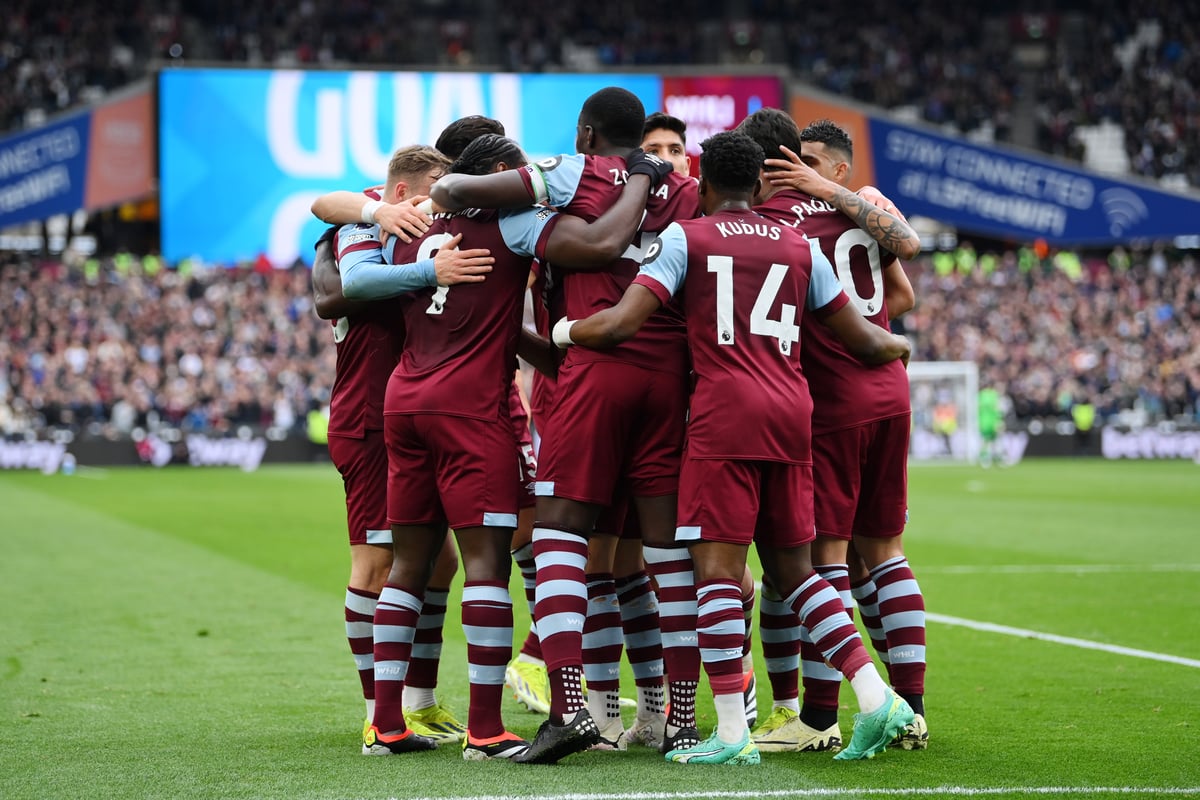
- Germany/Denmark/Belgium: MSP lists holdings or interests in FC Augsburg, Brøndby IF, and SK Beveren as part of its current European footprint.
- England: MSP provided Everton financing in 2023 and says it exited in summer 2024; they also explored a broader take-over scenario during 2024’s ownership turbulence.
Regulatory note: Strategies in Germany interact with 50+1, which shapes influence and control options. Investors (including Blitzer) have navigated potential stake sales under that framework.
The MSP Playbook: How They Create (and Lock In) Value
- Control or significant influence. MSP gravitates to structures where governance rights match their operating ambitions—board seats, consent rights, and programmatic capex.
- Crisis-timed entry, patient exit. McLaren: buy during dislocation (COVID), support recovery, exit as valuations re-rate with broader category tailwinds.
- Rights → Product. Move beyond events into formats and leagues (XGL), building year-round inventory for sponsors and streamers.
- Industrial co-investors. Willing to ride alongside sovereign capital, family offices, and institutional credit (e.g., UBS O’Connor, Ares) to scale or exit.
- Platform logic in football. Multi-market presence enables shared scouting, player trading, staff development, and sponsor packaging—tempered by regulatory reality (e.g., 50+1).
Case Study Snapshots
McLaren: From Stabilization to Premium Exit
- Thesis: Iconic brand + F1 cost caps + Netflix effect = upside if capital unlocks performance.
- Results: Competitive rebound and a step-change in valuation by 2025; MSP exits to strategic owners consolidating 100%.
X Games: Turning IP into a League
- Thesis: Youth-culture property under-monetized as episodic events.
- Moves: Majority buy; new CEO; global team-based league in 2026; growing sponsor/streaming slate.
Football Platform: Continental Option-Value
- Thesis: Mid-tier clubs with developmental upside and commercial “fixes” (digital, matchday, talent pathway).
- Moves: Control in Portugal/Spain; positions in Germany/Denmark/Belgium; selective UK financing exposure.
Risks & Watch-Outs
- Governance scrutiny: Football regulators increasingly question related-party influence and multi-club dynamics. Execution must stay ahead of policy.
- Cycle sensitivity: Media rights, sponsorships, and interest-rate cycles can compress exit windows—discipline on timing matters (as McLaren illustrates).
- Format adoption risk: XGL’s success hinges on athlete buy-in, city partners, and broadcast/streaming traction. Early partner wins are promising but not guarantees.
If You’re a Club, League, or Investor: How to Be “MSP-Ready”
1) Governance that matches ambition
- Clarify decision rights, vetoes, and capex roadmaps to welcome control-minded capital without slowing operations.
- Build independent FMV and related-party guardrails to withstand regulator and fan scrutiny.
2) From rights to product
- Package your sport as a 12-month product (series, drafts, team formats, shoulder content) rather than isolated events.
- Design sponsor inventory around moments (drafts, countdowns, finals) and always-on digital IP.
3) Measurement as a first-class citizen
- Implement shared dashboards across ticketing, digital, and broadcast to prove incremental lift (finish rate, watch-time, ARPU, CPMs).
- Bake KPIs into contracts: revenue shares, performance triggers, and renewal mechanics.
4) Capital stack discipline
- Map a blended stack (equity, credit, venue funding) with clear use-of-proceeds—talent pathways, facility upgrades, data stack, and go-to-market hires.
5) Exit and succession planning
- Define buy-back options, tag/drag rights, and milestone gates that align club continuity with investor liquidity.
6) Football specifics
- Germany/Scandinavia: pre-solve 50+1 and member-relations strategy.
- UK/Spain/Portugal: set transparent related-party policies, academy monetization plans, and stadium commercialization timelines.
What This Means for the Market
MSP’s arc shows that sports private capital is no longer just about owning a jersey patch or a minority slice. It’s operations, formats, exits—and a bias toward places where investors can actually move the levers. Expect more:
- Event-to-league conversions in niche properties,
- Platform plays in Tier-2/Tier-3 football, and
- Structured exits as sovereign/strategic capital consolidates trophies
For Brands, Businesses and Services, feature in our ecosystem
IMAGE: F1