CREDIT: SportsPro
Montréal doesn’t just host sports events — it celebrates them.
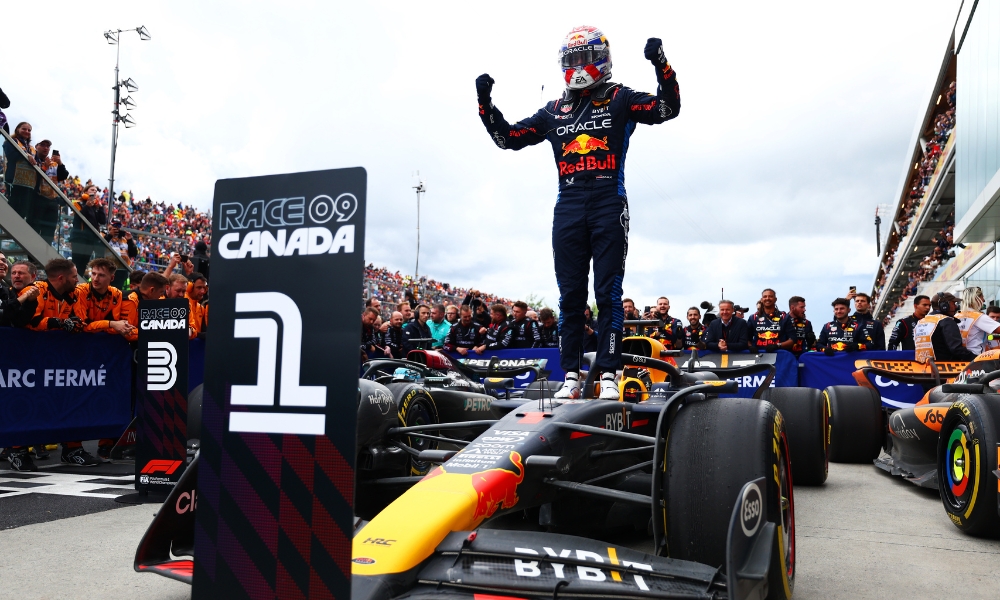
From the Canadian Grand Prix and National Bank Open to the NHL’s 4 Nations Face-Off and the PGA Tour’s Presidents Cup, the city consistently transforms major tournaments into full-scale festivals. It’s an approach that reflects Montréal’s identity: a city that thrives on cultural vibrancy, inclusivity, and community-driven celebration.
A Festival City at Heart
Montréal is home to over 120 festivals each year, including globally renowned gatherings such as the Festival International de Jazz de Montréal, Just for Laughs, and Osheaga. Even winter is celebrated through Igloofest, named one of the best outdoor festivals worldwide.
By channelling this same festival DNA into sports, Montréal has crafted a proven model for engagement: fans don’t just attend games, they stay longer, explore more, and immerse themselves in a multi-day experience.
Andréanne Paquet, Director of Business Development and Sport at Sports Events Montréal (SEM), sums it up:
“We’re an international event city. When we look at events, we want to make sure they’re in Montréal’s DNA, in our culture — and that they’ll succeed.”
Turning Games into Celebrations
The 4 Nations Face-Off was a perfect case study. While the Bell Centre hosted the hockey action, the downtown Windsor Station became a fan festival with themed activations open to everyone.
At the 2024 Presidents Cup, organizers went beyond the greens, creating a downtown fan village with giant screens, lounge areas, games, and music sponsored by Monster Energy. This broadened the event’s appeal, ensuring families, casual fans, and tourists felt included.
The message is clear: a two-hour match becomes far more valuable when it sits inside a week-long cultural and entertainment experience.
Collaborative Event Ecosystem
Montréal’s success lies in its ecosystem. SEM works as the connective tissue between rights holders, promoters, venues, government, and volunteers. For example, when bidding for the Beach Pro Tour, SEM coordinated local promoters, ensuring confidence from World Volleyball while tailoring the event to Montréal’s culture and fanbase.
This collaboration gives rights holders not just infrastructure, but local trust and buy-in — a critical factor in an era where host cities are judged on experience as much as economics.
Rights Holders Feel the “Festival Love”
Montréal’s model has already elevated events such as JACKALOPE, Canada’s largest action sports festival, and the Red Bull Cliff Diving World Series, which attracted 25,000 fans in 2024. The latter wasn’t just a sporting contest — it was music, activations, and a festival atmosphere that left athletes and spectators alike stunned.
Locals, too, are hungry for this rhythm. As Paquet notes:
“Every year we do a Resident Sentiment Index. What we see is that locals want something going on every weekend. That’s what they expect from their city.”
That appetite creates a virtuous cycle: events thrive, fans engage, and rights holders keep coming back.
Lessons for Global Sports Cities
Montréal’s festivalisation strategy offers clear takeaways for other markets:
- Cultural Alignment – Successful events reflect the city’s DNA. Sports need to feel like they belong.
- Beyond the Game – Extend the event into music, food, entertainment, and family-friendly experiences.
- Local Collaboration – Connect rights holders with trusted promoters, government, and communities early.
- Community Buy-In – Measure resident sentiment and ensure locals feel ownership, not disruption.
- Affordable Access – Free fan zones and open activations help democratize participation.
As global sport increasingly competes for attention, Montréal’s playbook demonstrates that the future of hosting is not just about venues — it’s about festivals.
365247 Consulting Insight:
For rights holders, the lesson is clear: Don’t just sell tickets, create cultural experiences. Cities that integrate sport into their festival ecosystem are better positioned to drive economic impact, build global narratives, and foster long-term fan loyalty.
For Brands, Businesses and Services, feature in our posts
Read the Original SportsPro Article here
IMAGE: Getty Images