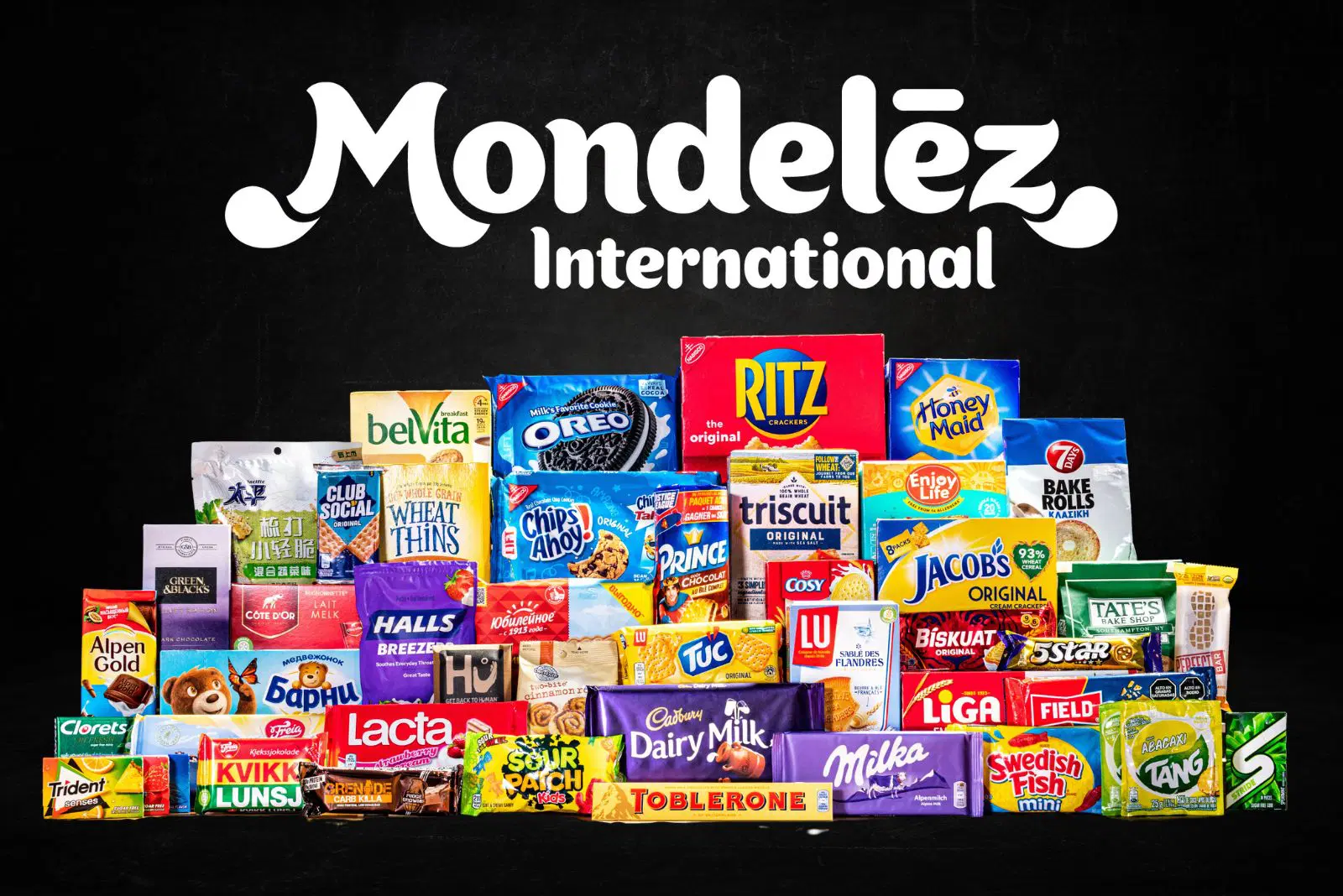
Mondelez International, the global confectionery and snack food leader behind Cadbury, has formally requested a 12-month delay in the implementation of the European Union’s landmark deforestation regulation. The company stressed its commitment to sustainable sourcing, while emphasizing the need for a more grounded, phased rollout.
Massimiliano Di Domenico, Vice President of Corporate & Government Affairs for Europe at Mondelez, voiced these concerns publicly during a session at the European Parliament, later reiterating them via a LinkedIn post. He emphasized that while Mondelez stands behind the intent of the EU Deforestation Regulation (EUDR), the practical realities of implementation—especially in fragile agricultural ecosystems—demand more preparation time.
A Law with Global Reach, Local Impact
Set to take effect in December 2025, the EUDR aims to significantly curb deforestation linked to EU consumption, covering products such as cocoa, coffee, soy, and beef. Importers will be required to trace and verify that their supply chains are free from links to deforestation, or face serious penalties.
While the regulation is a crucial part of Europe’s ESG agenda, it has encountered resistance from both corporations and international governments. Last year, several major food companies—including Nestlé, Mars Wrigley, and Ferrero—voiced similar concerns, supporting the law in principle but calling for clearer guidelines and practical support structures.
Cocoa Sector at a Crossroads
Cocoa-producing nations, particularly in West Africa, are under mounting pressure. Commodity price volatility, climate-related declines in yields, and underdeveloped digital infrastructure in sourcing regions complicate the traceability demands of the EUDR. Di Domenico underscored that the current challenges could destabilize fragile supply chains, ultimately doing more harm than good in the short term.
“This is not a call for diluted ambition, but for smarter, more inclusive execution,” Di Domenico noted. “We’re asking for time to build scalable, real-world systems that can ensure long-term success.”
Policy Meets Practicality
The European Commission has already pushed the deadline from 2024 to 2025 and softened some data-reporting requirements after international pushback. Still, the looming compliance timeline is forcing producers, traders, and regulators into a high-stakes race to align data, digital tools, and governance frameworks across borders.
At its core, this tension between ambition and execution is a recurring theme in ESG transformation. Regulation without readiness can backfire, especially in global supply chains rooted in developing economies. Mondelez’s position highlights the need for ESG policies that are not only robust—but also adaptable to local realities.
As regulatory pressures tighten, brands that blend environmental accountability with implementation pragmatism may be the ones best equipped to lead the next phase of ethical commerce.