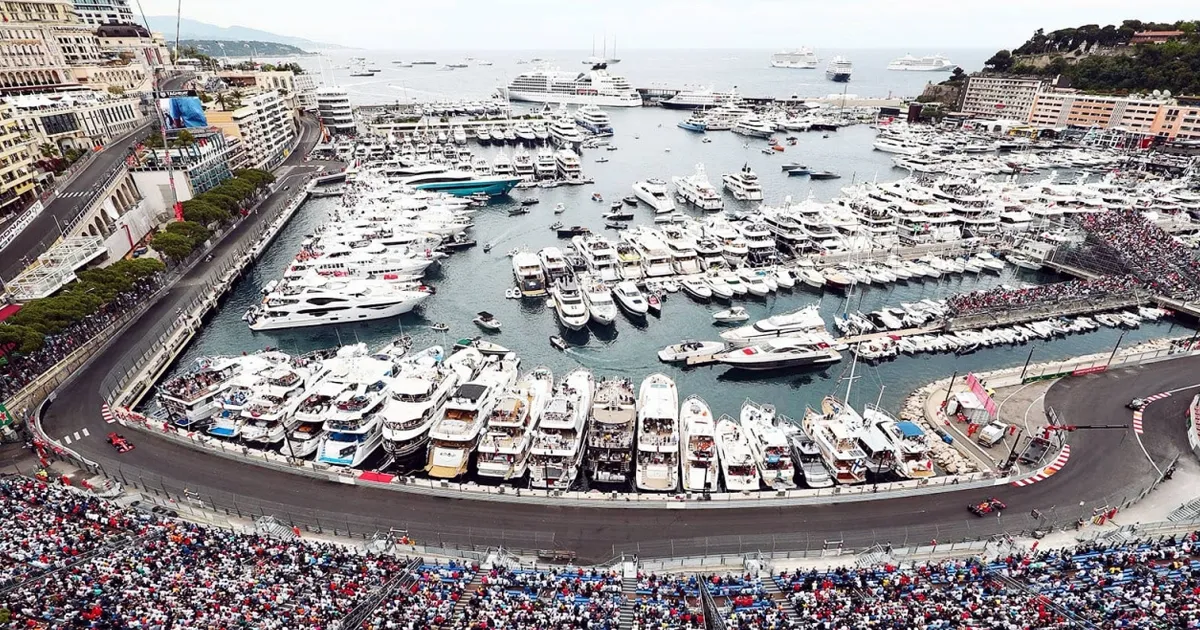
In global sport, there are few zip codes as symbolically and strategically potent as Monaco. While it famously plays host to the most iconic race in motorsport—the Monaco Grand Prix—it also houses an outsized concentration of Formula 1 drivers, past and present. This is no coincidence.
The Principality of Monaco, second only to the Vatican in terms of size, may measure just over 2 square kilometers, but it exerts an influence on the world of elite athletes, finance, and international diplomacy that far exceeds its scale.
So why do so many F1 stars choose to live there? The answer goes beyond tax breaks and Mediterranean views. In fact, the case of Monaco offers valuable insight into how nations and cities can strategically position themselves as magnet cities for elite global talent—particularly athletes.
1. Financial Architecture: Zero Income Tax, High Liquidity Barriers
Let’s begin with the elephant in the room. Monaco’s tax structure is, without doubt, a primary attractor. With no federal income tax for residents (excluding French citizens), and state revenues built largely on VAT and tourism, the financial upside for high earners is considerable.
But it’s not an open invitation. Entry into the Principality requires proof of ongoing liquidity—typically around €500,000 available at any time—and the ability to purchase or rent high-value property. This ensures only the ultra-wealthy or internationally mobile elite are eligible.
For athletes whose earnings are structured through prize money, image rights, and global endorsements, Monaco becomes not just a luxury haven but a powerful financial planning mechanism.
2. Institutional Privacy: A Rare Asset in Modern Sport
Professional athletes live in an attention economy. Their every move—on and off the pitch—is under constant scrutiny. Monaco flips that paradigm.
Here, privacy isn’t just respected—it’s institutionalized. Government permissions are required for professional photography, and there’s a visible absence of paparazzi culture. The result is an elite enclave where stars like Charles Leclerc, Lewis Hamilton, and Max Verstappen can enjoy rare personal space.
David Coulthard, a Monaco resident since 1995, put it succinctly: “Where you live is about being happy… there’s everything here.” That includes security, seclusion, and a curated absence of chaos.
This is more than convenience—it’s brand protection. The ability to switch off publicly without reputational risk is a premium benefit for modern athletes managing global followings.
3. Geography of Efficiency: Proximity to Europe’s Circulatory System
In elite motorsport, logistics are king. With Monaco just 30 minutes from Nice Côte d’Azur Airport, and bordering both France and Italy, the Principality offers proximity to Europe’s commercial and sporting arteries.
For F1 drivers, who compete in 20+ global locations per year, time saved in transit compounds into meaningful lifestyle stability. Over a decade-long career, that convenience becomes an asset—personally and professionally.
Monaco also provides what we might call a “calibrated sensory environment”: Mediterranean calm after race-week chaos. For mental recovery, team strategy sessions, or simply high-level lifestyle integration, few places offer such consistency of setting.
4. Global Brand Value: Living in Monaco Is a Statement
Choosing Monaco is not just a personal decision—it’s a brand statement. Monaco represents a certain tier of success. It communicates arrival.
In the social signalling hierarchy of elite sport, Monaco offers a blend of soft power and hard value that few locations can match. It’s not surprising, then, that the list of current and former F1 residents reads like a Who’s Who of motorsport:
- Current Drivers: Charles Leclerc, Max Verstappen, Lewis Hamilton, Lando Norris, Sergio Perez, Valtteri Bottas, Nico Hulkenberg, Alex Albon
- Former Residents: Nico Rosberg, Mika Hakkinen, Stoffel Vandoorne, Daniil Kvyat, Paul di Resta, Antonio Giovinazzi, and more.
For these athletes, Monaco isn’t just a tax strategy—it’s a lifestyle hub, business headquarters, and brand anchor.
What Can Other Markets Learn?
Monaco provides a compelling case study for how ultra-small states can attract global sports talent—and the capital, media attention, and soft power that come with it.
But more broadly, it opens a conversation for how cities, leagues, and countries can build their own ‘Monaco proposition’.
Consultancy Recommendations:
For Sports Federations & Athlete Agencies:
- Develop Athlete Relocation Frameworks with cities that offer long-term brand value—not just tax relief.
- Position “residence” as a core part of career planning, including athlete wellness, security, and media protection.
For Governments & Host Cities:
- Consider long-term sports diplomacy strategies: how can your city become a ‘magnet environment’ for elite athletes?
- Explore hybrid residency schemes that mix lifestyle offerings with professional ecosystems (training centers, private equity access, medical infrastructure).
For Brands & Sponsors:
- Recognize that athlete location affects access, brand storytelling, and activation logistics.
- Create Monaco-based activations around Grand Prix season to build prestige narratives with your athletes.
Monaco Is a Playbook, Not Just a Postcard
The Principality is more than a race track with a marina. It’s a finely engineered convergence of tax policy, luxury infrastructure, privacy protection, and strategic geography.
Smart sports leaders won’t just admire Monaco—they’ll study it. And perhaps, replicate its core pillars in other rising global hubs.
If you’re a sports federation, city authority, or investment firm exploring athlete ecosystems and magnet cities—let’s talk.
We help governments, rights-holders, and private clients build long-term, athlete-led strategies that balance location, lifestyle, brand, and capital.
IMAGE: Formulaone.com