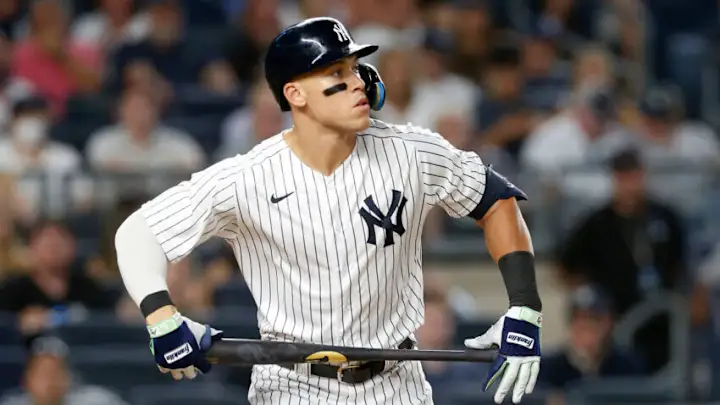
Major League Baseball (MLB) has officially approved the introduction of the automated strike zone (ABS) challenge system for the 2026 season. The decision was made by the league’s 11-person competition committee, which includes six owners, four players, and one umpire.
The new rule marks one of the most significant technological integrations into America’s pastime, blending advanced tracking technology with traditional umpiring.
Why the Change Was Made
Commissioner Rob Manfred praised the decision, noting that past rule changes — such as the pitch clock — have successfully modernized the sport and improved fan experience.
“We started with fans, tested extensively in the minors, and designed the system in a way that players accept,” Manfred said. “The strong preference from players for the challenge format over full automation was a key factor. This approach keeps umpires central to the game while providing a safety net for high-leverage situations.”
The system has been tested in minor league baseball, in spring training, and even during the All-Star Game, where players and fans responded positively.
How the ABS Challenge System Works
- Human umpires still call every pitch.
- Each team gets two challenges per game (successful challenges are retained).
- Only pitchers, catchers, or hitters can challenge; managers and coaches cannot.
- Challenges are reviewed instantly using Hawk-Eye tracking technology — the same system that powers Statcast.
- The strike zone is personalized for each player, based on official height measurements taken during spring training.
The process is designed to be quick, minimizing disruption to the pace and rhythm of the game.
A Long Road to Approval
The introduction of ABS was years in the making. MLB spent considerable time experimenting with different strike zone shapes, sizes, and placements at the minor league level. The objective was to ensure consistency without erasing the human element of the sport.
The system was also embedded in the new collective bargaining agreement with the umpires’ union, ensuring both sides were aligned before implementation. For many observers, Tuesday’s decision was the culmination of a process that has felt inevitable.
Why This Matters for Baseball?
- Balancing Tradition and Technology
– Baseball has always wrestled with the tension between purity of tradition and modernization. The challenge system preserves umpires’ authority while using technology to correct the most consequential mistakes. - Player-Centric Decision Making
– Giving pitchers, catchers, and hitters the power to challenge empowers athletes directly, making them stakeholders in maintaining fairness. - Fan Experience as the Driver
– Just as the pitch clock accelerated game pace, the ABS ensures accuracy without slowing down action — aligning with modern fan expectations. - Proof of Incremental Innovation
– MLB didn’t leap to full automation. Instead, it used years of testing, refinement, and iteration before approving a hybrid model. This is a blueprint for how traditional sports can modernize responsibly. - Commercial Implications
– Fewer controversial calls mean less reputational risk for the league. Sponsors and broadcasters benefit when outcomes are perceived as fair and technology-forward.
Final Word
By approving the ABS challenge system for 2026, MLB has taken another step toward redefining how tradition and technology coexist in professional sport. The league has opted for a measured compromise — preserving the human role of the umpire while ensuring accuracy and fairness in decisive moments.
The bigger picture? Baseball is proving that modernization, when done carefully, can protect heritage while meeting the demands of new generations of fans.
Subscribe to the 365247 Newsletter for Daily Insights
For Brands, Businesses and Services, feature in our posts
IMAGE: Getty Images