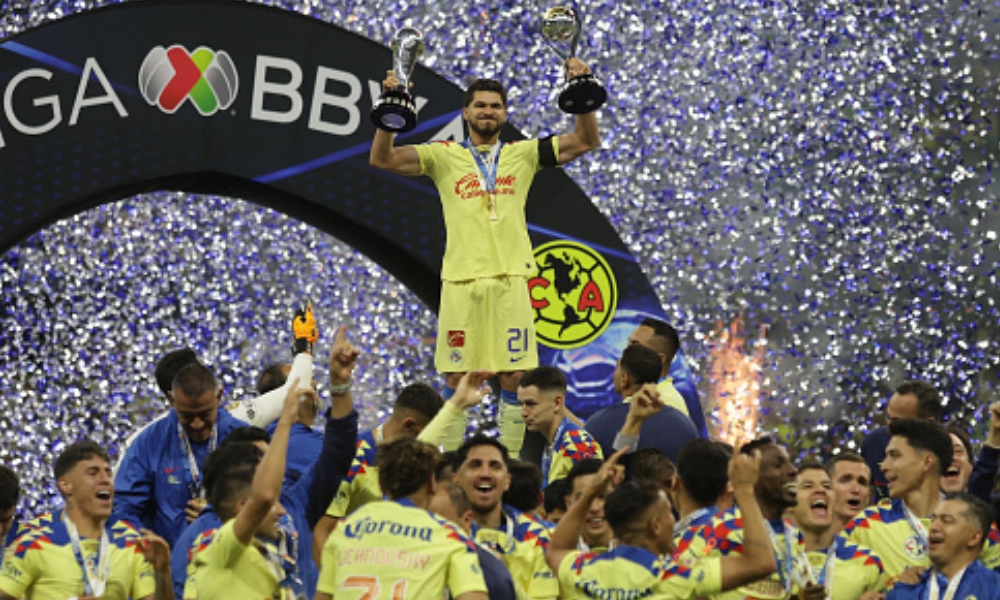
CREDIT: The Financial Times
As The Financial Times report, the Mexican Football Federation (FMF) is recalibrating its strategy as it prepares to re-enter talks with global investors, believing it can command a higher valuation than the previously proposed $1.3bn deal with Apollo Global Management.
Mikel Arriola, commissioner of the federation and president of Liga MX, confirmed that investor appetite is rising as Mexico looks to leverage its 160 million–strong fan base across Mexico and the United States, alongside the global spotlight of co-hosting the 2026 FIFA World Cup with the U.S. and Canada.
Why the Apollo Deal Stalled
In late 2024, Apollo proposed a $1.3bn investment in exchange for a stake in a new commercial entity valued at around $13bn. This vehicle would have controlled the league’s broadcasting, sponsorship, and commercial rights.
But the agreement fell apart when 15 of Liga MX’s 18 club owners failed to reach unanimity. The sticking points were governance structures, valuation concerns, and the redistribution of revenues between larger clubs such as Club América and Chivas and the smaller-market sides.
Arriola made clear that lessons have been learned: “We should analyse that valuation. With the World Cup coming and the growth of our fan base, I think the figure could increase.”
Reform Before Investment
The FMF is now overhauling its governance model, including:
- Unified media rights: Currently, each club negotiates its own TV deal, leaving smaller sides unable to benefit from collective bargaining power.
- Stadium & infrastructure upgrades: Many venues still date back to the 1940s and 1960s, while others rival European standards. Investment will target bridging this gap.
- Transparency reforms: Past corruption and money-laundering scandals have deterred investors; stricter oversight and compliance are now priorities.
Mexico’s Untapped Potential
Unlike many European leagues, Mexican football has attracted limited foreign ownership and institutional capital. That may be changing. Recent deals include:
- Querétaro FC’s takeover by U.S. firm Innovatio Capital.
- Necaxa selling a minority stake to actors Ryan Reynolds and Rob McElhenney.
The national team remains a key driver. In the U.S., Mexico regularly outdraws the American men’s team in both attendance and viewership, underlining its position as a “net exporter of football” with cross-border commercial strength.
Major sponsors already include BBVA, Hyundai, and T-Mobile, but Arriola believes the league is not fully monetizing its unique bi-national footprint: “We’re not extracting the value that we should extract in both markets.”
What 365247 Would Advise?
At 365247, we see Mexican football standing at an inflection point. The right investment structure could transform Liga MX into a truly global property, but this requires:
- Centralized Media Rights: Pooling TV and streaming deals would raise bargaining power, just as the Premier League did in the 1990s.
- Bi-National Strategy: Formalize the U.S. as a “second home market,” creating sponsorship tiers that target Hispanic and mainstream audiences simultaneously.
- Franchise Modernisation: Balance legacy clubs with smaller markets by mandating revenue-sharing mechanisms tied to infrastructure and academy investment.
- Global Storytelling: Position Liga MX as the league of identity, rivalry, and culture, with digital-first content targeting fans across both borders.
The risk isn’t lack of interest — it’s whether the governance framework is modern enough to attract and sustain private equity and institutional capital.
With the World Cup less than two years away, the question is no longer whether capital will come into Mexican football — it’s who will shape the structure, and at what valuation. That’s the conversation worth having now.
For Brands, Businesses and Services, feature in our posts
IMAGE: Getty Images