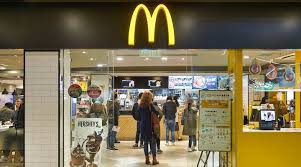
In a strategic real estate shift, McDonald’s has initiated the sale of eight retail assets in Hong Kong, valued collectively at approximately HK$1.2 billion ($153 million USD). While the properties are being sold, McDonald’s will continue to operate its restaurants at these locations under long-term lease agreements — signaling a deliberate portfolio restructuring rather than a market exit.
Global real estate consultancy JLL has been appointed as the sole agent for the sale and will oversee a public tender process that concludes on September 16. The offering includes a flexible model for investors — assets can be acquired individually or as a bundled portfolio, all of which are backed by long-term McDonald’s tenancy.
A Strategic Realignment, Not a Retrenchment
Contrary to speculation around contraction, McDonald’s has reaffirmed its full commitment to the Hong Kong market, where it operates over 250 outlets — the majority of which are leased rather than owned. This latest move appears to be part of a capital optimization strategy, allowing the company to release value from non-core real estate while retaining operational control through tenancy.
Such moves aren’t new for the brand. In 2017, McDonald’s sold a majority stake in its China and Hong Kong business to a consortium including CITIC Ltd, CITIC Capital, and The Carlyle Group in a deal valued up to $2.1 billion. Despite that transaction, McDonald’s has maintained an asset-light, operator-tenant role in the region — a model now being reinforced with the latest asset sale.
Hong Kong’s Property Market Still Drawing Institutional Appetite
The eight McDonald’s-owned sites are among the most valuable retail real estate holdings in the city, making them a rare opportunity for local and international investors seeking long-term, blue-chip anchored assets. JLL has reported strong early interest from a wide pool of buyers — a sign of sustained confidence in Hong Kong’s retail property market, particularly when backed by recession-resilient tenants like McDonald’s.
Why It Matters
This move by McDonald’s reflects a broader global trend — unlocking capital from owned assets while preserving operational presence through leases. For institutional investors, it represents a rare entry into high-footfall, tenant-secured commercial real estate in one of Asia’s densest urban markets.
For McDonald’s, it’s a quiet but decisive recalibration: less about real estate control, more about brand focus and financial agility in an increasingly fluid global operating environment.
Partner With Us
Want to feature your brand, business, or service on 365247 — Whether you’re looking to sponsor, collaborate, or build presence within our ecosystem, we’d love to explore it with you.
Submit Your Interest Here
IMAGE: Bigstock